
Last updated November 15, 2026
 Sweep & inspection
 Caps & crowns
 Flue relining
 Masonry repair
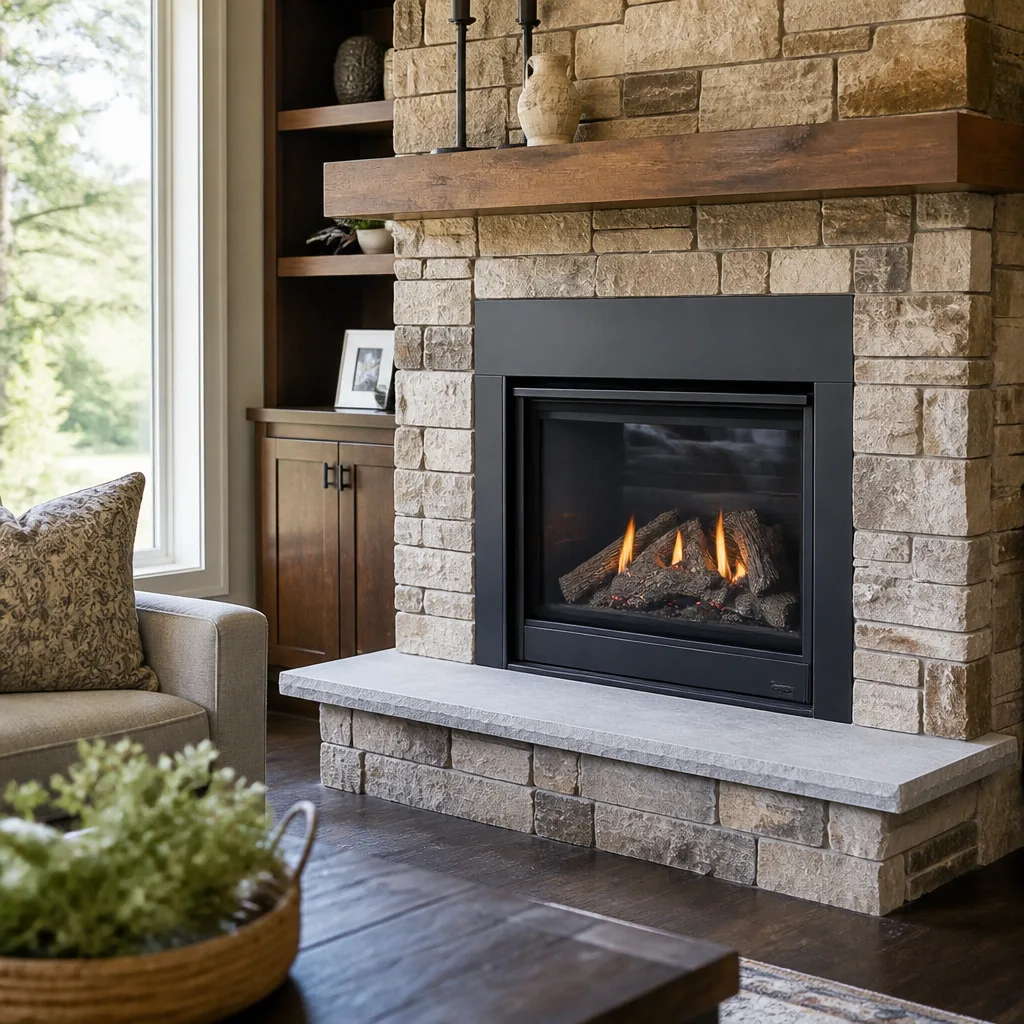 Gas fireplace service
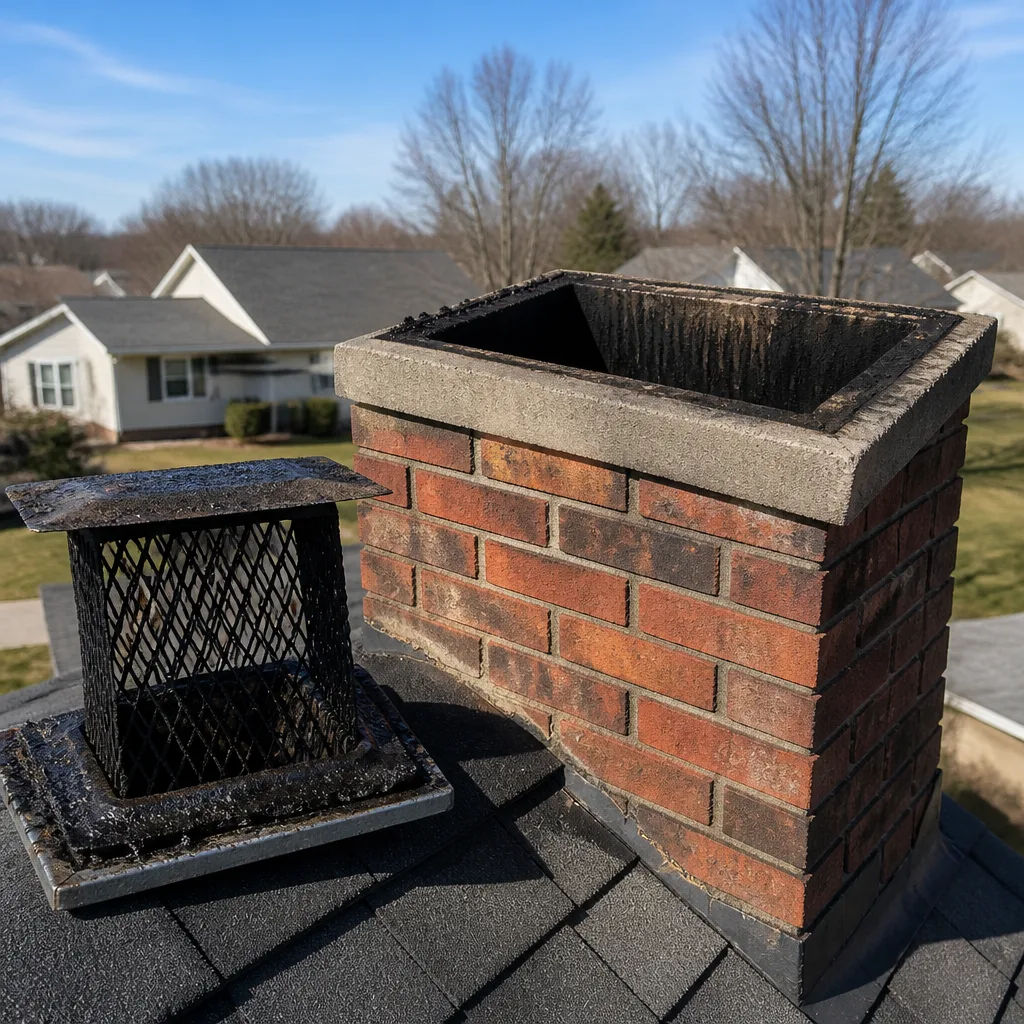
Level 1 sweep and inspection to the NFPA 211 annual standard - flue, crown, cap, and flashing checked and photographed
Chimney sweep logs do not sweep chimneys. They loosen some creosote - which then falls where a brush and vacuum still have to collect it.
Chimney Cleaning Emergency Preparedness Guide for Goodyear Homes
Most people picture a chimney emergency as flames shooting out the top of the house. That happens. But in our experience across Goodyear, the chimney problems that do the most damage are the quiet ones: a hairline crack in a flue liner leaking carbon monoxide into a bedroom, a pack rat nest packed into a smoke chamber, a flue blocked by debris after a wind event. None of these announce themselves. Both kinds of emergency – the loud one and the silent one – usually trace back to a chimney that skipped its annual cleaning or inspection. This guide covers how to spot each type, what to do in the first 90 seconds, and how to prepare before anything goes wrong in your Goodyear home.
Quick Answer
If you suspect an active chimney fire in a Goodyear home: get everyone outside, call 911, and do not use the fireplace again until a Level 2 inspection by a CSIA-certified inspector confirms the flue is structurally sound. For slow emergencies like carbon monoxide exposure or animal intrusion, get out, ventilate, and call a chimney specialist before lighting another fire. In both cases, the fastest way to end the uncertainty is a professional inspection: call Goodyear Chimney Sweep at (866) 361-8426.
Styles & brands we work with
- Sweep & inspection
- Caps & crowns
- Flue relining
- Masonry repair
- Gas fireplace service
Table of Contents
- The Two Kinds of Chimney Emergencies in Goodyear
- How to Identify an Active Chimney Fire
- The First 90 Seconds: Your Response Protocol
- What to Do After a Chimney Fire
- Carbon Monoxide: The Slow Emergency
- Animal Intrusion and Pack Rat Nests
- Emergency vs. Next-Week Service
- Building a Chimney Emergency Preparedness Kit
The Two Kinds of Chimney Emergencies in Goodyear
Goodyear homeowners tend to prepare for one type of chimney emergency and ignore the other. The loud kind – a chimney fire – is unmistakable, terrifying, and rare enough that many people have never seen one. The quiet kind happens more often and gets almost no attention: carbon monoxide migration, flue blockage, structurally compromised liners, and wildlife that moves into a chimney the way it would move into a hollow tree.
Both kinds share the same upstream cause. A chimney that’s cleaned on schedule and inspected annually rarely produces an emergency. Creosote builds up in stages, and a flue that’s swept before the deposit reaches dangerous thickness removes the fuel a chimney fire needs. A flue that’s inspected catches cracked tiles, failed joints, and blockages before they become a health hazard. The chimney sweep and inspection you book in September is what prevents the call you make in January.
In Goodyear, the seasonal pattern matters. Our cool months run roughly November through February, and that’s when fireplaces get the most use – exactly when creosote deposits from the previous season’s fires are at their thickest. Homes in Estrella Mountain Ranch and Palm Valley that burn regularly through the winter often enter the following fall with more buildup than they expect.
The distinction between the two emergency types isn’t academic. It changes what you do first, who you call, and how long you wait before using the fireplace again. A homeowner who treats a suspected CO event the way they’d treat a chimney fire – opening windows, calling 911, evacuating – is doing the right thing. A homeowner who treats a chimney fire the way they’d treat a CO event – airing out the room and going back to bed – is risking their house.
- Fast emergencies: active chimney fire, visible smoke escaping through masonry joints, flames or sparks from the chimney top.
- Slow emergencies: carbon monoxide symptoms, persistent smoky smell with no fire lit, blocked flue, animal intrusion, loose masonry inside the firebox.
- Shared cause: missed cleaning or missed inspection, usually both.
How to Identify an Active Chimney Fire
A chimney fire often sounds like a freight train running through the roof – a low, roaring, rumbling noise that doesn’t match the size of the fire in the firebox. That description comes up again and again, and it’s the single most reliable indicator. Other signs happen below and above the roofline at the same time.
Inside the house, watch the firebox and the flue. You may see flames roaring up the chimney with more force than the fire below could generate. Smoke may puff back into the room instead of drawing up. The firebox doors or stovepipe can vibrate or rattle. You may smell a hot, sharp, metallic odor that’s different from normal wood smoke.
Outside, check the chimney top and the roofline. A working chimney fire often pushes thick, dark smoke and sometimes sparks or visible flame from the crown. Smoke may appear at the mortar joints of the exterior stack. The chimney itself can feel hot to the touch at the roofline or through interior walls near the flue. Puffy creosote flakes may land on the roof or in the yard.
Less common but possible: a chimney fire can burn itself out without obvious signs because the firebox fire below is small. If you’ve heard the rumble, seen the smoke pattern, or smelled the metallic odor, treat it as real. In our experience, homeowners who second-guess a chimney fire and go back to their evening regret it more than homeowners who evacuate and call 911 on a false alarm. You have no way to inspect the inside of a flue in the moment – only a specialist can confirm what happened.
One detail specific to desert homes in Goodyear: when the outside air is dry and windy – which happens often in spring and early summer – embers from a chimney fire that escape the flue can start a roof or landscape fire faster than they would elsewhere. That’s one reason the response protocol below assumes urgency.
The First 90 Seconds: Your Response Protocol
The first 90 seconds of a chimney fire decide whether the episode is a scare or a structural loss. Follow the steps in this order. Do not stop to investigate, gather belongings, or try to fight the fire from inside the fireplace.
- Get everyone out of the house. Adults, children, pets, guests. Move to a safe spot in the front yard, clear of the driveway so a fire crew can pull in.
- Call 911 from outside. Tell the dispatcher that you believe a chimney fire is in progress. Give the address and say whether the fire has spread to the roof.
- Close the fireplace doors or glass doors if you can do so on the way out – not as a return trip, only if it’s in your path. Cutting oxygen slows a firebox fire and reduces smoke migration into the room.
- Do not spray water down the chimney. Water on a hot flue can crack masonry or tile, and water in a firebox with burning fuel can cause a steam explosion.
- Do not climb onto the roof. Chimney and roof surfaces can be hot or unstable, and Goodyear rooftops can be pitched or tiled. Leave rooftop access to the fire department.
- Wait for the fire department. Even if the sound stops and the smoke clears, do not re-enter until a fire officer clears the structure.
Two things go wrong most often in the first minute. Homeowners try to put the fire out themselves from inside the house, and homeowners call 911 from the kitchen while the fire is still burning one room over. Move first, call second – the phone works from the yard.
Printer and pharmacy fire alarms at nearby homes in Goodyear sometimes pick up smoky conditions from a neighbor’s chimney fire. If a fire crew from a neighboring station arrives, stay on scene and describe what you heard and saw. Your account is what tells them a chimney fire happened even if the firebox looks quiet by the time they arrive.
What to Do After a Chimney Fire
After a chimney fire, the fireplace stays out of service until a Level 2 inspection is completed by a CSIA-certified inspector. This is not a recommendation you can negotiate with yourself about. Chimney fires crack flue tiles, loosen mortar joints, distort metal liners, and detach masonry from the exterior stack. Some of that damage is invisible from the firebox. A Level 1 visual check from the ground is not enough.
A Level 2 inspection goes further. It includes a visual exam of accessible portions of the chimney exterior and interior, and it uses video scanning of the flue – a camera run through the full length to look for cracks, gaps, offsets, and separated joints. That’s the only way to confirm whether the flue still contains fire and combustion gases. It’s also the inspection most insurers and most CSIA standards require after a chimney fire or a change to the heating system.
What the Level 2 inspection covers in practice:
- Flue interior conditions – tile cracks, joint gaps, liner damage, and any failed sections revealed by video scanning.
- Exterior stack – mortar, crown, cap, and masonry condition, including any sign of heat damage.
- Appliance connections – firebox, damper, and any insert or stove connection to the flue.
- Clearances – combustible materials near the chimney, including attic and roofline components.
- Venting – whether the flue is undamaged and capable of handling another fire safely, or needs repair before use.
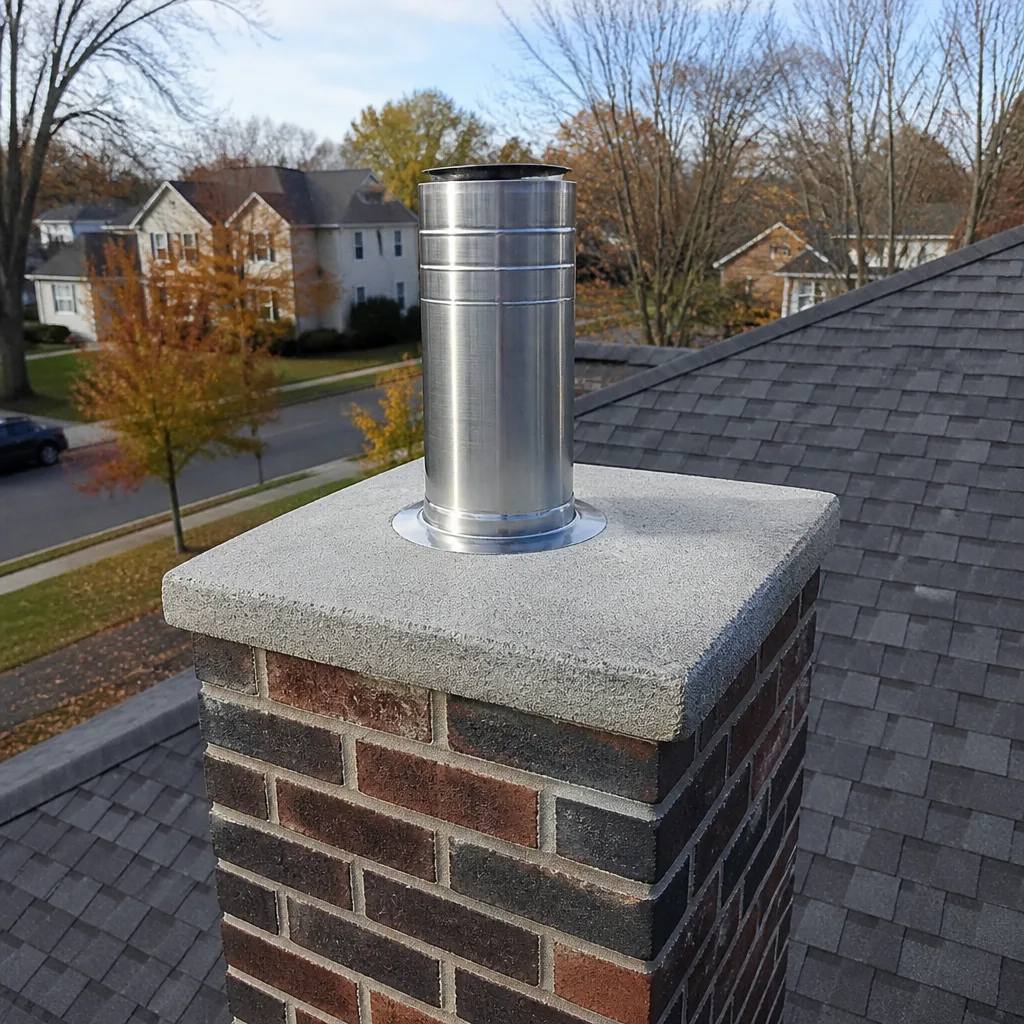
If the inspection finds a compromised flue, you have decisions to make. A HeatShield resurfacing may restore a liner that’s deteriorating but hasn’t failed structurally, and a DuraFlex flexible liner is often the right choice for flues with bends, offsets, or irregular older masonry. Both are trade-grade systems we specify by name because a flue repair is not the place for generic parts. Until a specialist has run the camera and confirmed the flue, the fireplace stays dark.
Carbon Monoxide: The Slow Emergency
Carbon monoxide from a fireplace produces no smell, no color, no visible smoke, and no sound. You cannot detect it with your senses. You detect it with an alarm, or you notice symptoms – and symptoms are a terrible first signal because they look like the flu.
The symptoms that suggest fireplace-related CO exposure: headache, dizziness, nausea, fatigue, and shortness of breath that comes on while you’re in the house and eases when you step outside. Multiple people in the same room feeling the same way at the same time is a strong indicator. So is a pet that seems lethargic or disoriented. If a CO alarm sounds, treat it the same way you’d treat a chimney fire – evacuate, call 911, and stay out until the fire department clears the home.
Detector placement matters more than most homeowners realize. Fireplace rooms need a CO detector working properly, and the way many homes are set up, a single detector on a bedroom hallway doesn’t cover the room where the fire burns. A few practical rules:
- One CO detector per level of the home, plus one inside or just outside each sleeping area.
- A dedicated detector in or adjacent to the fireplace room – this is where the risk from a cracked flue or backdraft begins.
- Combination smoke/CO units are fine where the sound pattern is clear, but a standalone CO unit in the fireplace room gives you a faster reading of a slow leak.
- Smart detectors with app alerts are useful because they notify you while you’re out, but they should never replace a code-compliant alarm in the home.
- Test every unit on the manufacturer’s schedule and replace it when its service life ends.
A slow CO buildup over weeks is why we treat a persistent smoky smell or a fireplace that doesn’t draw the way it used to as a serious warning. It reaches further back than next week’s scheduled appointment. If you smell smoke in the room with no fire lit, stop using the fireplace and call us – HVAC returns, an animal nest, and a partially collapsed flue can all cause the same symptom, and only an inspection tells the difference. For chimney-related CO, the chimney repair work that follows an inspection often reveals the crack or failed joint that caused the leak in the first place.
Animal Intrusion and Pack Rat Nests
Pack rats in Goodyear treat chimneys as close to perfect real estate. A flue is dry, dark, sheltered, and off the ground – the same conditions a pack rat looks for in the wild. In our area, pack rat nests inside chimneys are more common than most homeowners expect, especially in homes near open desert, in Estrella-area properties, and in neighborhoods that back up to wash corridors.
The nest itself is a chimney fire hazard. Pack rats collect twigs, twine, cactus spines, insulation, and whatever else they can carry. That material sits in a dry flue directly in the path of hot flue gases. When the fireplace is used, the nest catches. Even without a fire, the material blocks the flue, which sends smoke and combustion gases back into the room and can push carbon monoxide into the living space.
Signs to look for:
- Scratching, rustling, or movement from inside the chimney, especially at dusk.
- Droppings on the fireplace floor, hearth, or smoke shelf.
- Nesting material (twigs, insulation, plastic bits) visible at the top of the flue, in the firebox, or on the damper shelf.
- Smoke rolling back into the room when you light a fire, even a small one.
- Odor in the room – pack rat nests have a distinct animal smell that doesn’t read as smoke.
Do not try to clear a pack rat nest yourself. That’s the part of this job homeowners most often want to handle on their own, and it’s the part most often done wrong. A nest material can be contaminated with animal waste. Pack rats bite, and a nest in an enclosed flue leaves no room to retreat. Dislodged material can drop into a smoke chamber or offset where you can’t see it, so the flue ends up “clear” from the top but blocked mid-run. And pack rats return to a chimney treated like a short-term vacancy – which means removal and a proper cap are part of the same job.
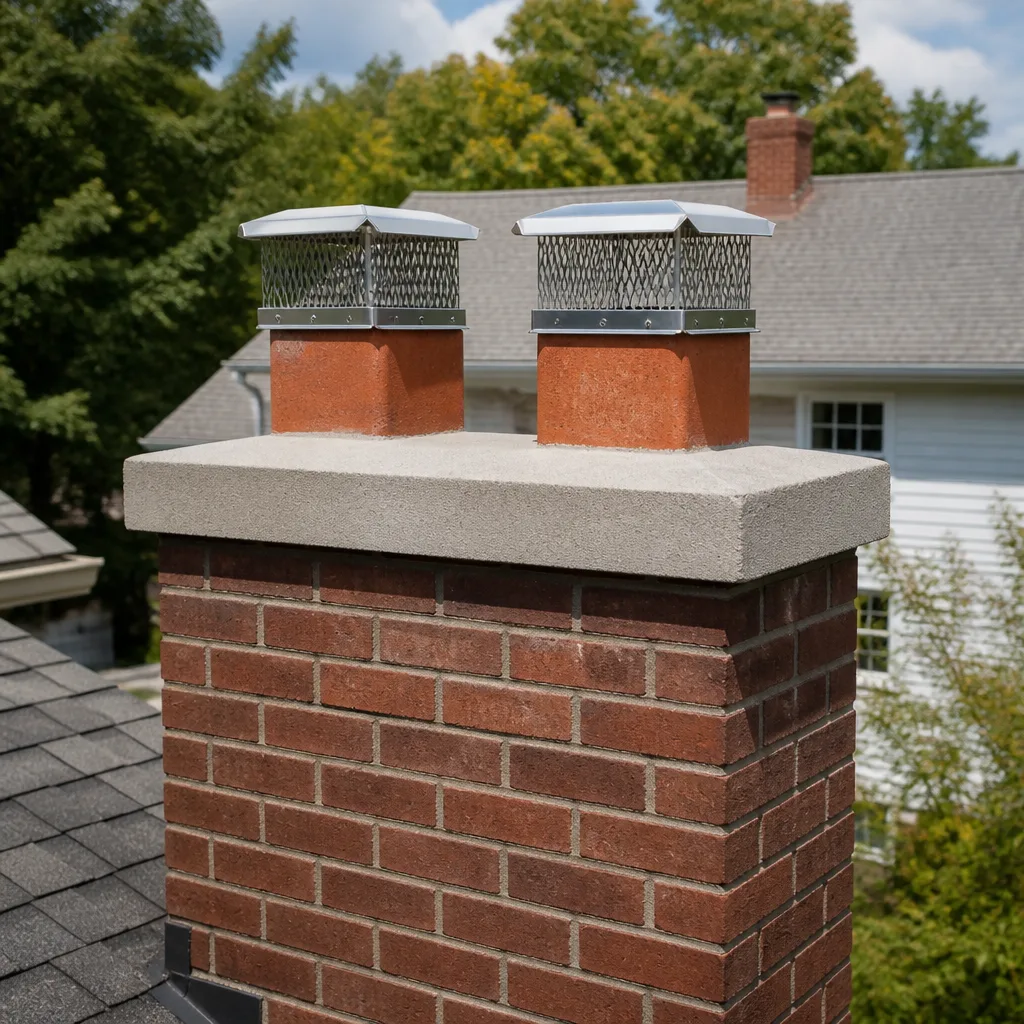
A chimney cap fitted with a Gelco or Olympia Chimney screen prevents the next intrusion. A cap is one of the least expensive preventive measures a good Goodyear Chimney Sweep service can install, and the return on it is a chimney that stays a chimney instead of becoming a nest site. We stock cap components from those brands because caps are where most DIY fixes fail – a cheap cap that doesn’t seal right, or a screen that’s oversized, is how most homeowners end up calling again two months later.
Emergency vs. Next-Week Service
Not every chimney problem is an emergency, and treating them the same wastes money. The chart below gives you a practical way to sort a call into “same-day response” or “book the next available appointment.”
Call immediately
- Active chimney fire or aftermath – any sign you experienced one, even if it seems to have burned out.
- Carbon monoxide alarm – evacuate first, call 911, then call a specialist.
- Smoke backing into the room with no fire lit, or a strong smoky smell inside the home that won’t clear.
- Visible crack or gap in the firebox – flames or hot gases could reach framing behind the wall.
- Loose masonry, brick, or mortar falling inside the chimney or on the hearth.
- Smoke escaping through mortar joints on the exterior stack.
Book the next available appointment
- Persistent smoky smell but no visible smoke, no alarm, and no unusual noise.
- Reduced draw – the fire burns slower or smokes more than it used to, but the room stays clear.
- Animal signs – droppings or scratching but no active smoke or CO concerns.
- Damper that sticks or won’t open fully, as long as the fire isn’t lit.
- Annual cleaning due and no current symptoms.
If your situation falls between the two columns – smoke on some nights but not others, a smell that comes and goes – it’s still worth calling. That pattern is what a developing problem looks like. A specialist on the phone can help you sort it into an emergency or a next-week booking, and nothing is recommended without a camera inspection you can review yourself. Call (866) 361-8426. We answer 24/7. Fast dispatch from 7am to 7pm, Sunday through Friday. A call outside dispatch hours is booked into the next opening.
Building a Chimney Emergency Preparedness Kit
Preparation is cheaper than response. A homeowner who has thought through the emergency – and has the right gear in the right place – handles a chimney fire faster and with less damage than one who is figuring it out in the moment. Our recommended kit for a Goodyear home:
- Working CO detectors on every level and in or adjacent to the fireplace room. Test them on the schedule the manufacturer prints on the unit.
- A fire extinguisher rated for wood fires (an ABC-rated unit is the common choice) mounted away from the fireplace, so you’re not reaching past flames to get to it.
- A family escape plan and a meeting spot in the front yard. Practice it once before the season starts so everyone knows where to go.
- A flashlight by each exterior door – in an emergency, the power may go off, and you’ll want light for the escape route.
- A chimney cleaning and inspection appointment on the calendar before the first cold snap. Late summer and early fall are the least busy times; October and November fill up fast.
- A chimney cap fitted to your flue. Caps keep out rain, debris, and animals, and the screen is what keeps pack rats out.
- Dry, well-seasoned firewood stored away from the house, not stacked against the wall or under the eave – and not stored in a way that invites pack rats to move in.
Two preparation rules specific to our climate. Dry, windy days in Goodyear raise the fire risk from any exterior ember source, so plan heavier fires around calmer weather when you can. And because our summers are long and hot, the fireplace may sit unused for months – a period when animals, dust, and debris move in. A visual check of the firebox and flue at the start of the season catches a surprising amount of what develops in the quiet months.
No emergency kit replaces the two things that matter most: an annual cleaning to remove creosote, and an annual inspection to catch the problems you can’t see. Those are the work we do through Goodyear, and they’re the reason most of the emergencies in this guide never have to happen.
Common Mistakes to Avoid
- Treating a chimney fire as over once the noise stops. A fire that has burned out can leave a cracked tile or a partially collapsed flue behind. The fireplace stays out of service until a Level 2 inspection is done.
- Spraying water down a hot flue. Thermal shock can crack tile and masonry, and water reaching hot fuel can cause a steam explosion. Evacuate and call 911 instead.
- Assuming one CO detector covers the whole house. Fireplace rooms need their own coverage, and single-unit placement is one of the most common reasons a fireplace-related CO leak is missed.
- Clearing a pack rat nest yourself. The nest is often in an enclosed flue, contaminated, and defended. DIY removal frequently leaves material lodged in a smoke chamber, which is worse than the original nest because now the flue looks clear from the top.
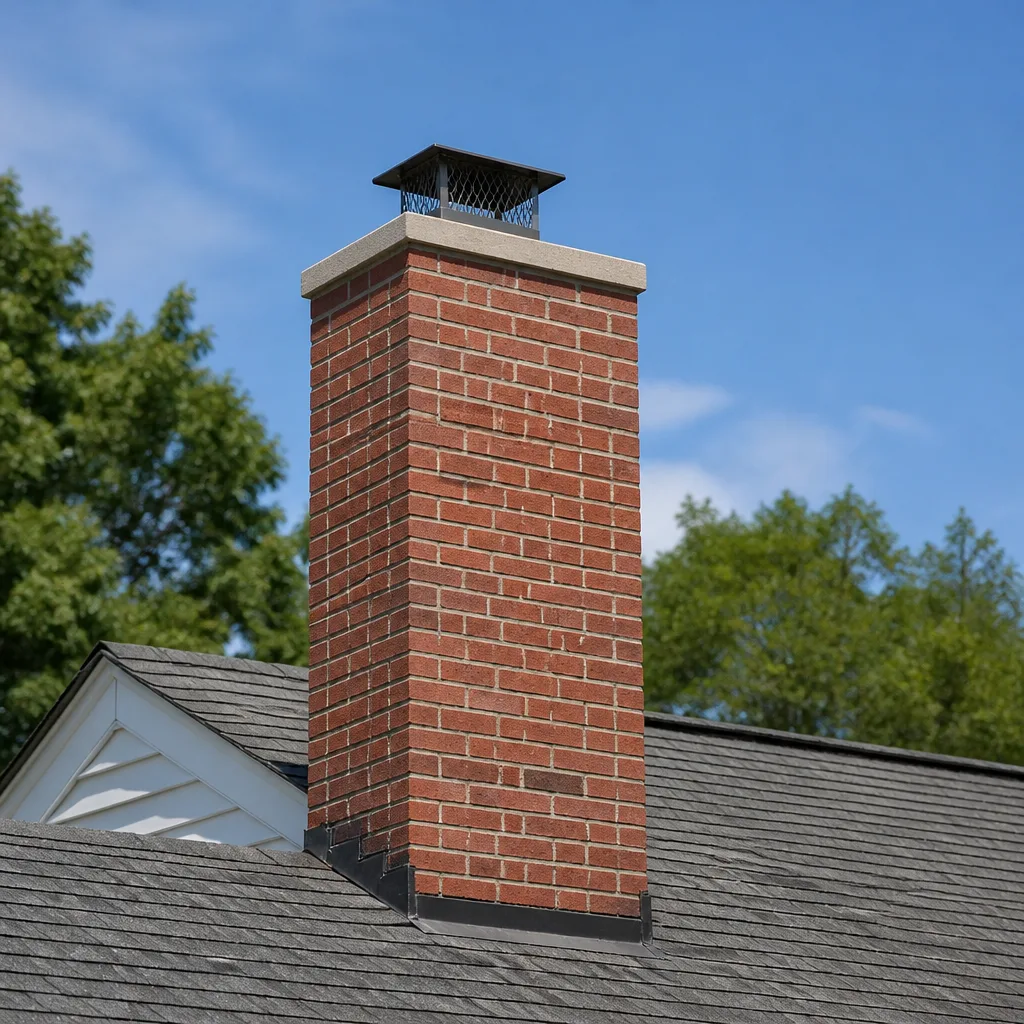
- Skipping the cap. A chimney without a proper cap and screen is a target for animals, rain, and debris. Caps are inexpensive and prevent a class of emergency that repeats every season without one.
- Going without an annual inspection because the fireplace “works fine.” Most of what an inspection finds has no obvious symptom during normal use. The crack, the failed joint, the loose cap – each shows up quietly.
- Burning unseasoned or wet wood. Green or damp wood makes more creosote per fire, and creosote is the fuel a chimney fire needs. In a Goodyear climate, dry season-appropriate wood burns cleaner and produces less deposit.
See the difference
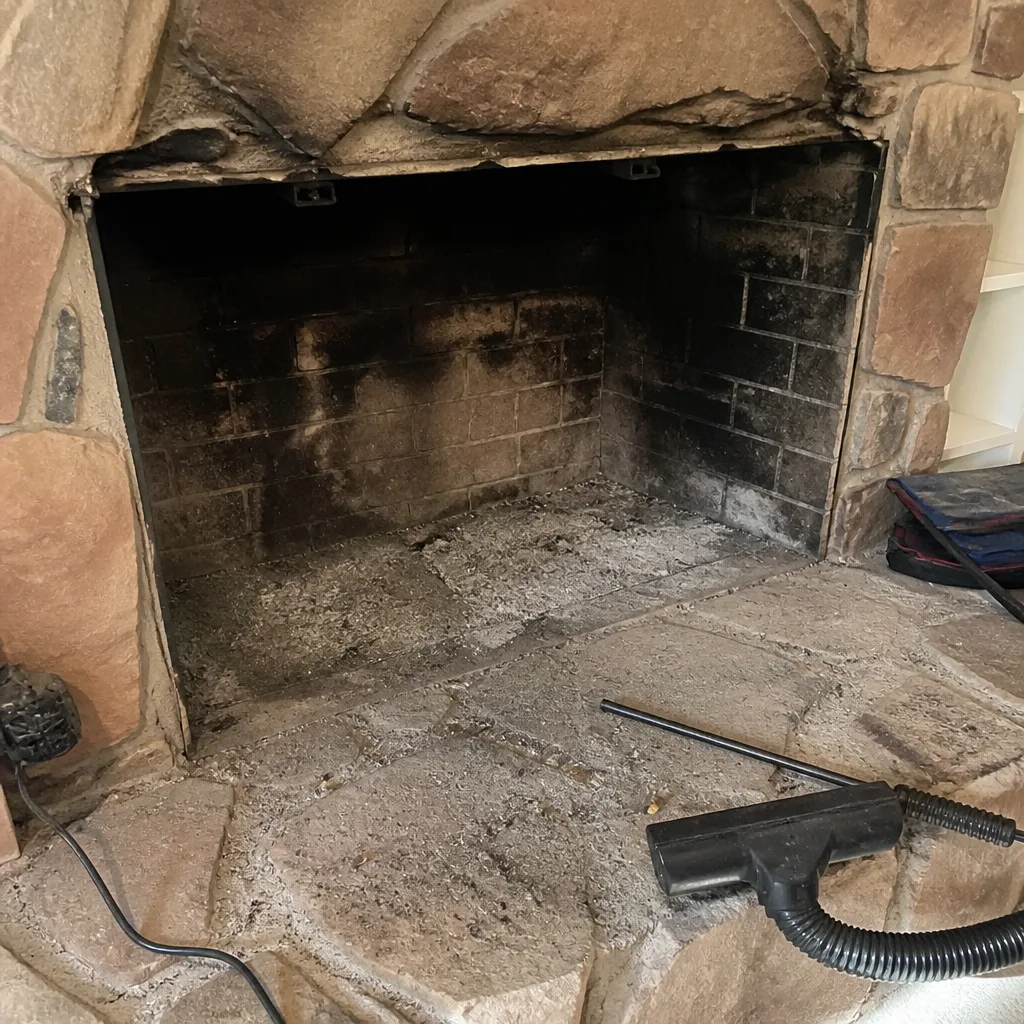 Before
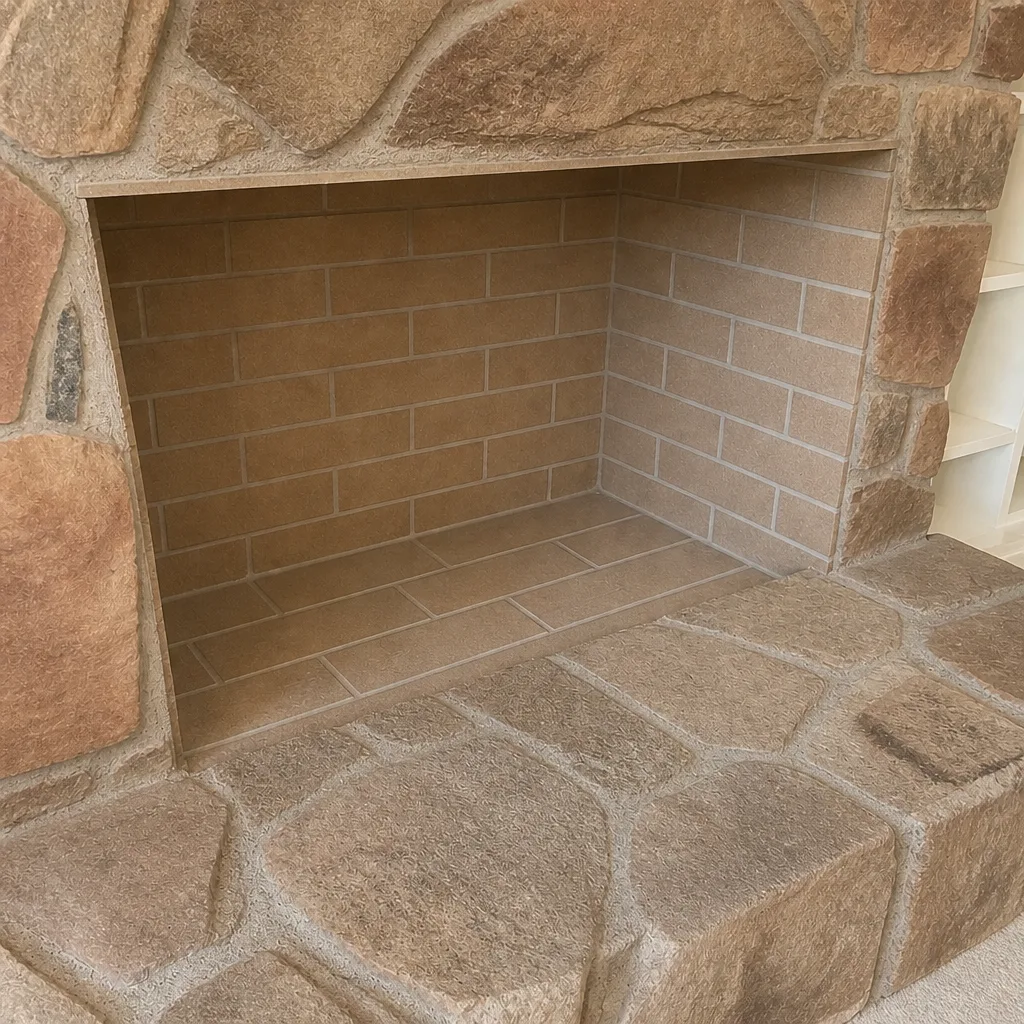 After
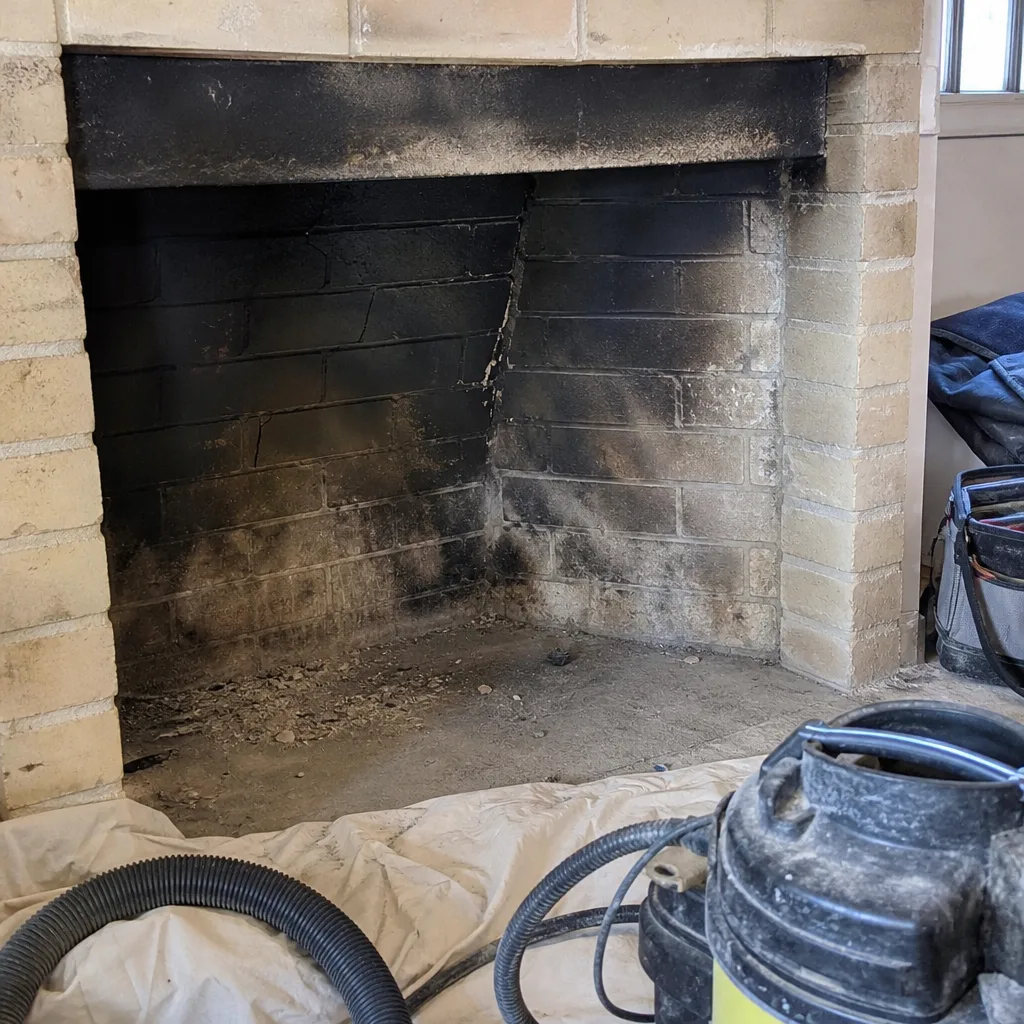 Before
 After
 Before
 After
When to Call a Professional
Call a chimney specialist today if you’ve had smoke back into the room, a CO alarm event, a suspected chimney fire, animal activity in the flue, or any visible damage in the firebox. Call for a routine appointment if it’s been more than a year since your last cleaning, if you’re unsure of your flue’s condition, or if you’ve moved into a Goodyear home and don’t know the chimney’s history. Both kinds of call protect the same thing – a chimney with no evidence of a hidden problem. Goodyear Chimney Sweep offers free estimates in Goodyear. Call (866) 361-8426. We answer 24/7. Fast dispatch from 7am to 7pm, Sunday through Friday.
Frequently Asked Questions
A chimney fire typically sounds like a low, roaring rumbling – most people describe it as a freight train running through the roof. The sound is larger than the fire in the firebox justifies, and it usually comes with thick dark smoke or visible flame at the chimney top. If you hear that rumble, evacuate and call 911.
Yes. Any chimney fire, even one that seems minor, warrants a Level 2 inspection by a CSIA-certified inspector before the fireplace is used again. The flue is scanned with a video camera to look for cracked tiles, failed joints, and liner damage that a Level 1 visual check cannot see. In our experience, homeowners who schedule the Level 2 promptly avoid a second emergency. Call (866) 361-8426 for an exact quote – estimates are free.
You can’t detect CO by smell, sight, or sound, so the right way to know is a working CO detector in the fireplace room plus one on every level of the home. Symptoms – headache, dizziness, nausea, fatigue that eases outside – suggest exposure, but by the time symptoms appear, the levels are already high. If a CO alarm sounds, evacuate, call 911, and have the chimney inspected before using the fireplace again.
Install a chimney cap with a durable screen and have a specialist remove the current nest. Do-it-yourself removal usually leaves material lodged mid-flue, which makes the problem worse. A properly fitted cap from Gelco or Olympia Chimney prevents a repeat intrusion, and the cap plus the cleaning can typically be handled in one visit. Call (866) 361-8426 to book a visit.
The industry standard is a cleaning and inspection once a year, ideally before the heating season begins. If you burn heavily through the cool months, or if you’ve had any event this guide describes, a mid-season inspection is also worth booking. Goodyear’s fireplace season concentrates in the cooler months, so the chimney sits through the summer – which makes the start-of-season inspection especially important.
Creosote builds up in the flue with each fire. Once it reaches a certain thickness, the flue is primed for a chimney fire on the next hot fire, and the deposits are also a fuel source an animal nest will only add to. Skipped cleanings also hide developing problems – cracks, joint failures, blockages – that an inspector would catch. The cheapest way to prevent a chimney emergency is the sweep you book before burning season. Call (866) 361-8426 for an exact quote – estimates are free.
The Bottom Line
Chimney emergencies in Goodyear come in two forms. The fast kind announces itself with sound, smoke, and visible signs – evacuate, call 911, and book a Level 2 inspection before using the fireplace again. The slow kind hides in plain sight – CO leaks, blocked flues, animal nests – and shows itself through symptoms and smells that many homeowners write off. Both trace back to a chimney that missed its cleaning or inspection. A working CO detector on every level, a chimney cap with a proper screen, and an annual cleaning and inspection are the three steps that prevent almost every emergency this guide covers. If you’ve seen, heard, or smelled something in your chimney you don’t understand, call us and let an inspection give you the answer:
Call (866) 361-8426 for a free estimate. We answer 24/7. Fast dispatch from 7am to 7pm, Sunday through Friday.
Written by the team at Goodyear Chimney Sweep.