
Last updated November 15, 2026
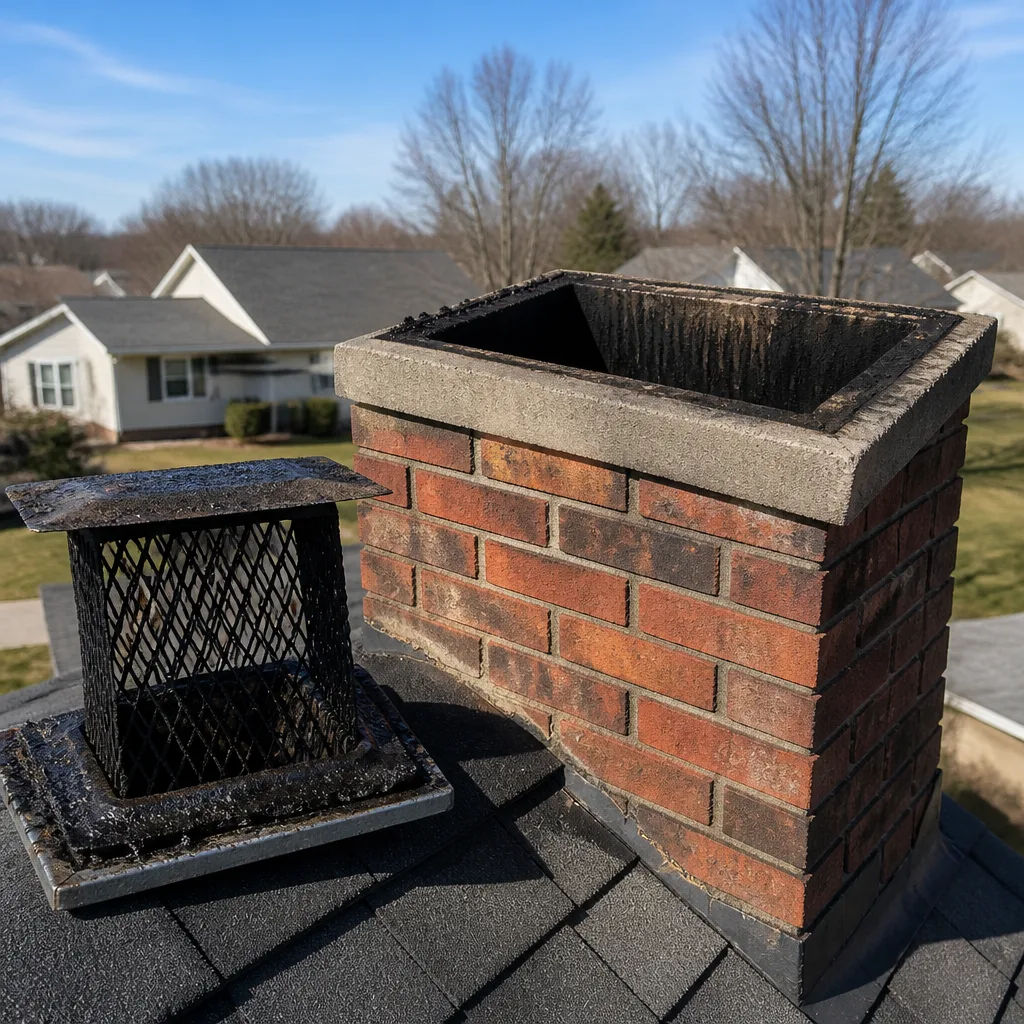 Sweep & inspection
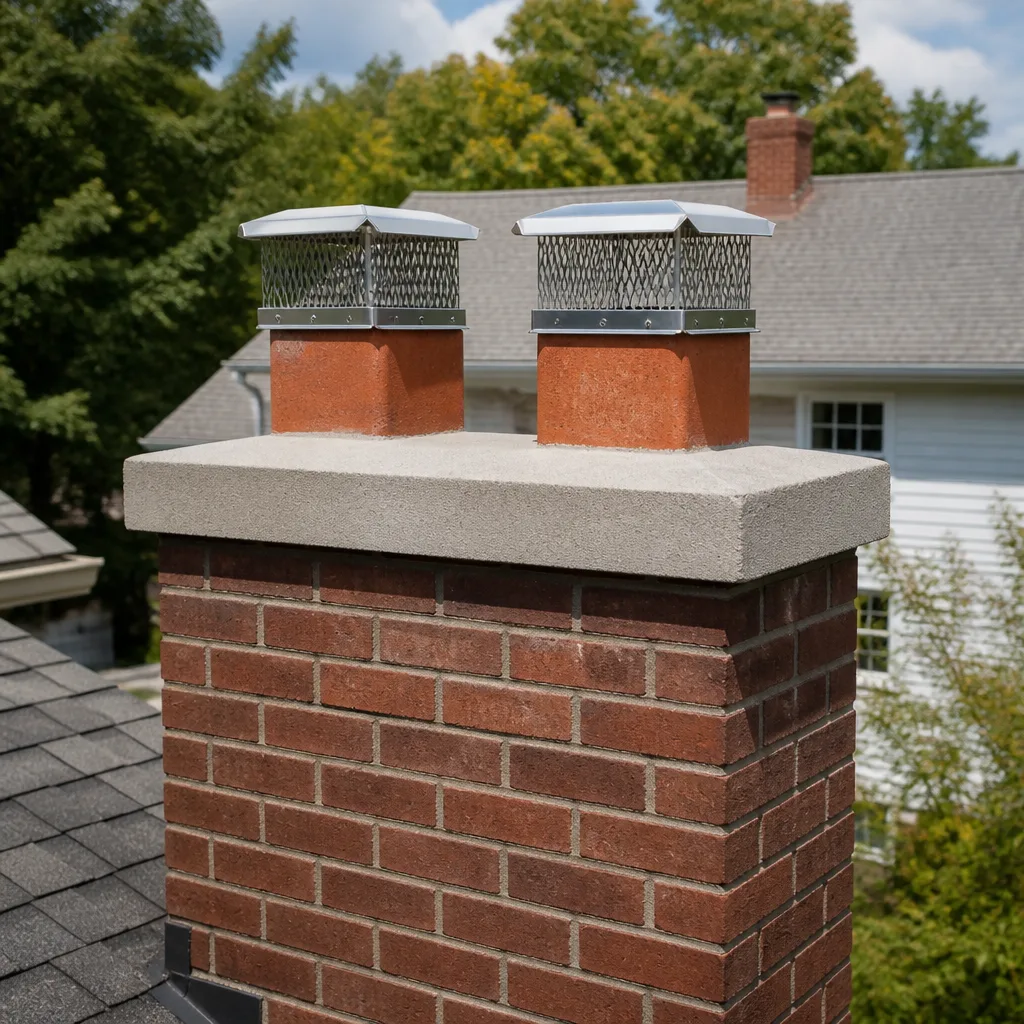 Caps & crowns
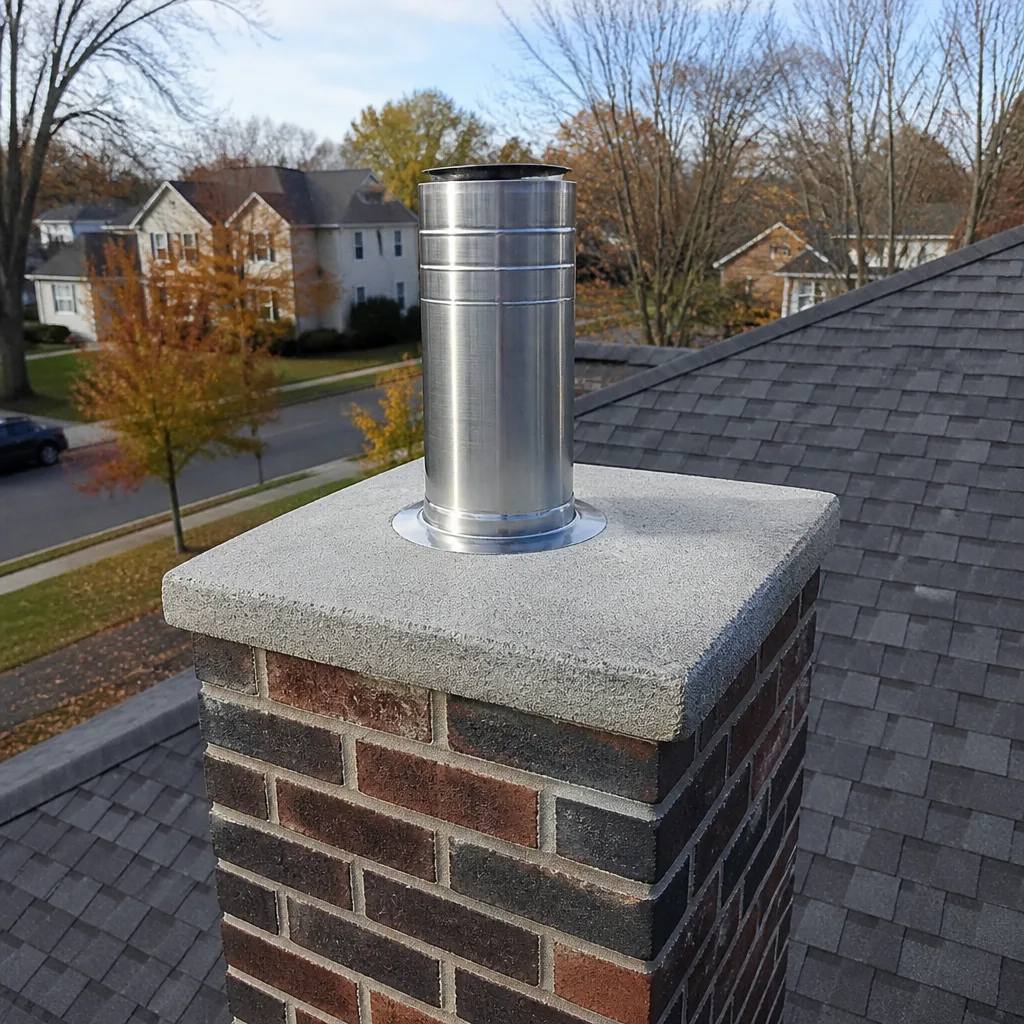 Flue relining
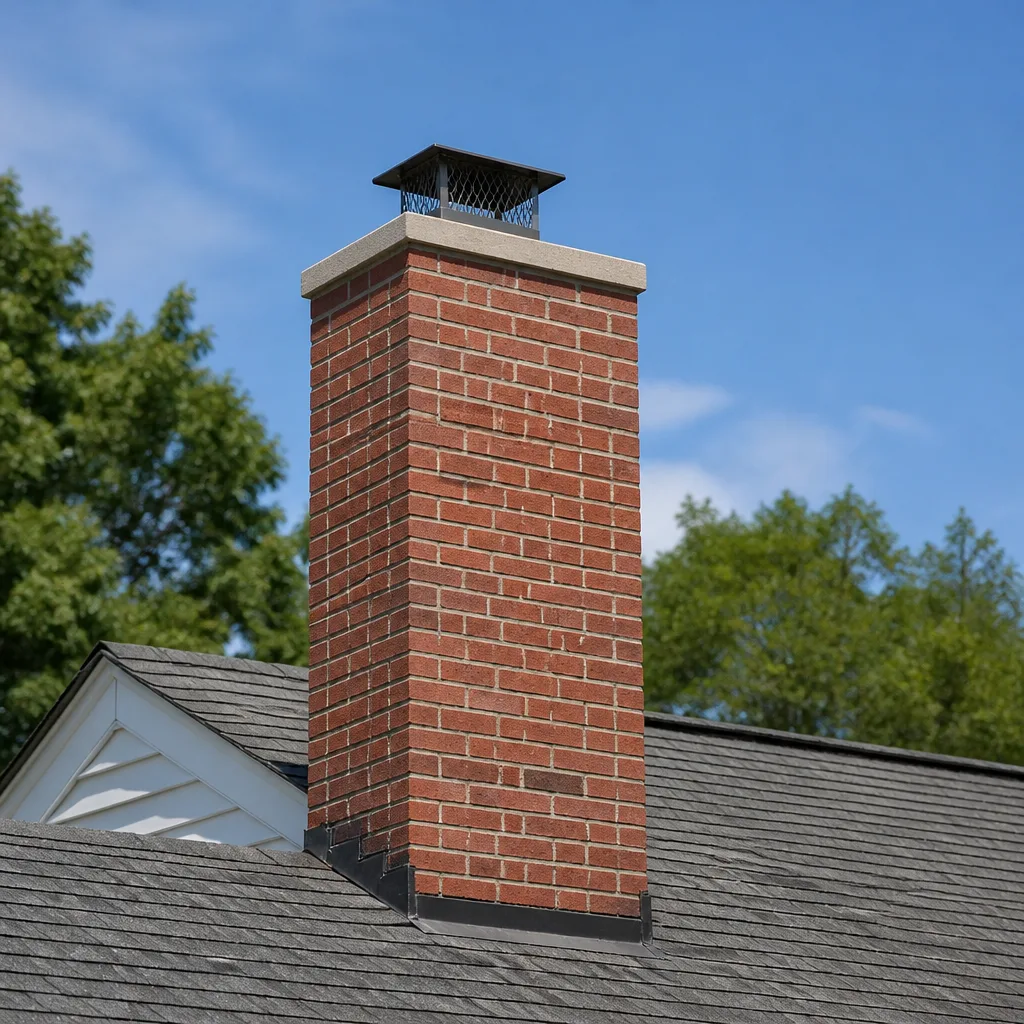 Masonry repair
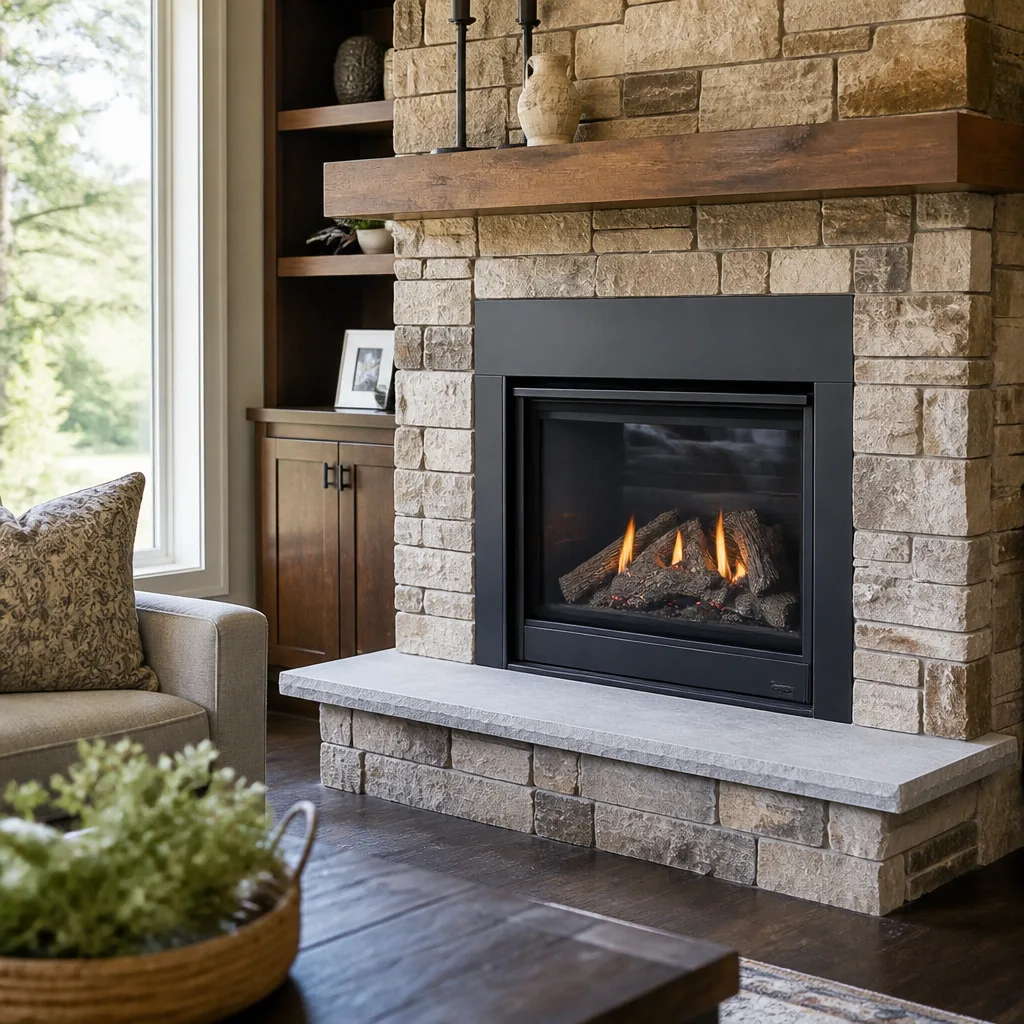 Gas fireplace service
Level 1 sweep and inspection to the NFPA 211 annual standard - flue, crown, cap, and flashing checked and photographed
Chimney sweep logs do not sweep chimneys. They loosen some creosote - which then falls where a brush and vacuum still have to collect it.
Chimney Cleaning Warning Signs: A Goodyear Homeowner’s Reference Guide
Most homeowners in Goodyear look for chimney problems in the wrong place. They climb a ladder, squint at the cap, and figure that if the roof looks fine, the chimney is fine. But the earliest and clearest warning signs usually show up inside the house, not on the roof: a damper that no longer seats, a puff of smoke that rolls back into the room, a chalky white bloom spreading across the firebox brick. By the time a problem announces itself on the exterior, it’s often been developing in the flue for months. This guide names 14 specific symptoms a Goodyear homeowner can actually check, maps each one to the problem it usually indicates, and explains where the line sits between a scheduled inspection and a stop-using-it-now situation.
Quick Answer
The most common chimney warning signs are a damper that won’t seal, smoke rolling back into the room, a strong creosote or musty smell when no fire is burning, spalling or whitening firebrick, and cracked or missing mortar at the crown. Any of these means schedule an inspection; a flue fire, a collapsed flue tile, or carbon monoxide symptoms mean stop using the fireplace until a specialist looks at it. A trained sweep can confirm what’s happening with a camera inspection, usually in a single visit.
Styles & brands we work with
- Sweep & inspection
- Caps & crowns
- Flue relining
- Masonry repair
- Gas fireplace service
Table of Contents
- What your firebox and firebrick are telling you
- Smell-based warning signs in a desert climate
- Draft and smoke behavior: downdraft versus blockage
- Exterior signs you can spot from the ground
- Stop using it now versus schedule an inspection
- Creosote stages and what each one means for your flue
- Seasonal checks for a Goodyear chimney
- Why a camera inspection settles the question
What your firebox and firebrick are telling you
The firebox is the surface you can see without any tools, and it’s the first place a failing chimney shows its hand. Get a flashlight and look straight at the brick on the back and side walls. Four conditions matter.
- Spalling firebrick. The face of the brick is flaking off in thin sheets or crumbling. Heat cycles and moisture do this. Once the face is gone, the brick behind it erodes faster, and the firebox begins losing structural integrity.
- Deteriorating mortar joints. The mortar between bricks is receding, sandy, or crumbling out when you touch it. Recessed joints let heat reach the surrounding masonry and masonry gaps let smoke and gas leak where they shouldn’t.
- White efflorescence staining. A chalky white or grayish bloom on the brick or mortar means water is passing through the masonry and leaving mineral deposits as it dries. In Goodyear, that’s almost always a cap, crown, or flashing issue letting monsoon rain in, not a flue problem on its own.
- Cracks wider than a hairline. Hairline crazing is common and usually cosmetic; an open crack that a dime could sit in is a structural concern and a path for smoke into the wall cavity.
In older Goodyear homes around the historic downtown blocks, we often find fireboxes built decades ago that have never had the firebrick or mortar touched. They function, but they’re on the edge. A camera inspection tells you which of these are cosmetic and which need chimney repair before the next burning season.
Key takeaway: spalling brick, soft mortar, and open cracks are structural signals. White staining is a water signal. Both call for an inspection, not a cleaning only.
Smell-based warning signs in a desert climate
Smell is the most overlooked sign in Goodyear because it shows up in the hottest, driest part of the year, when no one is thinking about the fireplace. Here’s how to read what you’re smelling.
- Musty, earthy, or damp smell. Moisture is trapped in the flue or behind the firebox. The cause is almost always water coming in through a cracked crown, a missing or damaged cap, or failed flashing. Desert homes don’t get much rain, but a single monsoon season can do it if the cap is compromised.
- Sulfur or rotten smell. An animal has gotten into the flue or the smoke chamber. Birds and rodents find uncapped chimneys; in our experience this is one of the most common reasons a Goodyear chimney needs attention in the warmer months. A proper cap and damper are the fix, along with removing whatever’s inside.
- Sharp, chemical, or tar-like smell. This is the signature of advanced creosote – stage 2 or stage 3 – sitting in the flue and off-gassing in the heat. That sharp odor is the single most important reason to get a chimney sweep before you light another fire, because stage 3 creosote is the fuel for a chimney fire.
- Odor that only appears on a hot day with no fire burning. Confirms the flue is holding something – moisture, animal debris, or creosote – that shouldn’t be there. A clean, dry, properly drafted flue should smell of nothing at all.
Write down what you smell and when. That detail saves time during inspection, because each of those four odors points to a different cause and a different fix.
Draft and smoke behavior: downdraft versus true blockage
Smoke rolling back into the room is worth diagnosing carefully, because the cause is not always a blockage. In Goodyear, a lot of low-pitch and flat-roof housing stock puts the chimney top close to neighboring rooflines and prevailing wind patterns, and that can create downdraft. Downdraft is a pressure problem, not a debris problem, and it’s often fixable with a properly sized cap or a draft-improving cap installation.
True flue blockage behaves differently. Here’s how to tell the difference when you light a fire and smoke comes back:
- Light a small test fire and watch the smoke at the damper. If smoke reverses immediately, before the fire builds, suspect a blockage.
- Open a nearby window a crack. If the smoke clears right up, you have a pressure issue, not a blockage. That points to downdraft or a house that’s too tight.
- Listen at the firebox. A hollow whistling or a rush of air that feels weak can mean an obstruction in the flue.
- Check the cap. A clogged or undersized cap, a nest, or a collapsed flue tile can all block the flue. Look from the ground for missing or crushed cap mesh.
- Note whether it’s windy. If smoke only reverses on gusty days, you’re almost certainly dealing with downdraft and a cap that needs adjusting or replacing.
Don’t guess. A camera inspection finds a blockage in minutes and rules out anything structural. And if the smoke reversal is accompanied by a headache, nausea, or a “stuffy” feeling in the house, treat it as a possible carbon monoxide concern and open windows, leave the fire out, and get a professional to look at it before you use the fireplace again.
Exterior signs you can spot from the ground
You don’t need to get on the roof to spot the most common exterior problems. Stand back on the yard and look at the top of the chimney.
- Crown cracking. The concrete crown at the very top should shed water away from the flue. Visible cracks – even small ones – let water in, and that water travels down into the firebox as the efflorescence staining you may already see inside.
- Missing or loose mortar caps. Also called the mortar wash, this is the angled layer of mortar at the top of the brick. When it’s missing or crumbling, the top courses of brick take the water directly.
- Stained brick below the cap line. Dark or white streaking below the top of the chimney is water tracking down the masonry. This one is worth taking seriously in Goodyear because the masonry often looks fine from three feet away and is failing at the crown where you can’t see.
- Spalling or missing bricks near the top. If brick faces are flaking off, the chimney cap or crown is likely the culprit.
- A leaning or rusted cap assembly. Caps, dampers, and crowns are the components most often overlooked by a sweep-only service, and they’re exactly the parts that protect the rest of the chimney from water. We work with name-brand components like Gelco and Copperfield for precisely that reason – the parts matter as much as the labor.
Exterior damage caught early is usually a modest repair. Caught after years of water intrusion, it’s a masonry rebuild. The gap between those two outcomes is one inspection.
Stop using it now versus schedule an inspection
This is the threshold most homeowners don’t know, and getting it wrong in either direction costs money or safety. Here’s the distinction.
Stop using the fireplace and call immediately if you see or experience:
- A chimney fire – a loud roaring sound, a deep rumbling, or a shower of sparks or flakes from the top of the chimney.
- Any visible evidence of a collapsed or cracked flue tile inside the firebox, or pieces of tile at the bottom.
- Carbon monoxide symptoms in the home – headaches, dizziness, nausea, or a CO alarm sounding.
- Smoke that fills the room, not just a puff, with no way to stop it.
Schedule an inspection – not urgent, but don’t put it off to next year – if you see:
- Smoke rollback on some fires but not others.
- Any of the smell signals above.
- Spalling brick, efflorescence, or crown cracks.
- A damper that closes but doesn’t seat, or that won’t move.
The point of the distinction is simple: there’s a hard line where the safe answer is “put the fire out and don’t burn until someone looks at it,” and there’s a wide zone where the safe answer is “get on the calendar before the season.” Most signs fall in the second zone, which is why so many Goodyear homeowners successfully deal with them before they become expensive.
Creosote stages and what each one means for your flue
Creosote is the reason chimneys are swept. It’s a deposit that builds up as smoke travels up the flue, and it builds in three stages, each with a different risk level and a different fix.
| Stage | What it looks like | What it means | What to do |
|---|---|---|---|
| Stage 1 | Flaky, soot-like, brushes off easily | Normal buildup from regular burning | Routine sweep |
| Stage 2 | Hard, shiny, tar-like; sticks to the flue walls | Overdue for a sweep; the flue is loading up | Sweep now; visual and camera inspection |
| Stage 3 | Puffy, dense, or glazed, concentrated near the top | High risk of chimney fire; often needs more than a sweep | Inspection for repair or resurfacing |
Goodyear homes that burn seasoned wood and sweep on schedule rarely reach stage 3. The houses we see with stage 3 creosote usually have one of two patterns: burning soft or unseasoned wood, or a flue that’s too large for the firebox and never fully warms up. Both make creosote condense faster. A flue that’s the wrong size for its firebox is often corrected with a properly sized flexible liner, and we size those using DuraFlex systems.
If your flue has stage 2 or 3 creosote, don’t just keep burning. A chimney fire needs only the right combination of heat and fuel, and stage 3 creosote is that fuel. Sweep first, then let the inspection tell you whether the flue needs repair.
Seasonal checks for a Goodyear chimney
Chimney care in the desert runs on a different calendar than the rest of the country. The best time to look is the season when you’re not burning.
- Spring: look inside. Once the burning season ends, inspect the firebox with a flashlight. Note spalling, white staining, or cracked mortar while the firebox is cool and clean.
- Early summer: check the cap and crown. Get on the ground and look at the top of the chimney. Water is the number one cause of masonry damage in Goodyear, and the monsoon season is when it gets in.
- Mid-summer: sleep with the windows in mind. A musty or sulfur smell on a hot day tells you water or animals got in. Book the inspection before the fall rush.
- Fall: book the sweep. A sweep before the first fire clears stage 1 and 2 deposits and gets the camera inspection done before anyone needs the fireplace.
- Before each season: test the damper. Move it fully open and closed. If it won’t seat or won’t move, that’s a warning sign to have it looked at.
A lot of the homes we look at in Goodyear were built with gas or wood-burning fireplaces that see light use. The owners aren’t burning enough to think about a sweep, and that’s exactly how small problems get a full season to grow. The right time to check is when you’re not burning.
Why a camera inspection settles the question
A camera inspection takes the guesswork out of everything above. A trained technician sends a camera down the flue and looks at the interior on a screen in real time, so you see the same thing we see. This matters most in three situations.
- When someone tells you the liner needs replacing. A video of the flue lets you judge for yourself. If the liner is deteriorating but still structurally sound, resurfacing may be an option – HeatShield flue resurfacing is a certified restoration system that can restore a deteriorating liner in qualifying cases without a full reline. It’s not available through general contractors, and it’s a good example of why the inspection comes before the estimate.
- When a flue has bends or offsets. Older chimneys in Goodyear don’t all run straight. A DuraFlex flexible liner conforms to bends and offsets that rigid liners can’t navigate, so a camera inspection and a flexible system can turn what sounds like a masonry rebuild into a liner job.
- When the answer is “nothing’s wrong.” That’s a valid result, and we’ll say so. If the flue is clean and sound, a camera inspection ends the worry and gives you a baseline for next season.
We specify materials by name because the brand behind the product matters. A sweep that only cleans can’t tell you whether the flue was built correctly in the first place, and a general handyman can’t tell you whether a repair will hold. Inspection, sweeping, and repair are simplest to understand when they’re handled by the same specialist who already knows your chimney – Goodyear Chimney Sweep does that start to finish.
Common Mistakes to Avoid
- Only looking at the chimney when something goes wrong. The earliest warning signs show up on hot, fireless days as smells and interior staining. Check the firebox and the smell inside the house every spring, not just when you’re ready to burn.
- Mistaking a downdraft for a blockage. In Goodyear’s low-pitch and flat-roof housing, wind pressure often causes smoke rollback that has nothing to do with the flue being obstructed. Opening a window a crack during a test fire can tell you which one you have.
- Burning soft or unseasoned wood to save money. Wet wood makes more creosote, and more creosote means a faster buildup to stage 2 and 3. The savings on wood disappear into the sweep bill.
- Ignoring a damper that won’t seat. A damper that moves freely but doesn’t close lets heated air escape all year and can let smoke back into the room. It’s a cheap fix when caught, a bigger one when ignored.
- Letting a sweep-only service pull the plug on a repair. A clean flue is the starting point; a structurally sound one is the goal. If the only tool a company has is a brush, the answer to every problem looks like a sweep.
- Trusting a repair estimate with no camera evidence. If no one can show you the flue on a screen, you have no way to check whether the liner or masonry work is real. Ask to see the video.
- Putting off a crown or cap repair to “save it for next year.” Water works year-round. A cracked crown in the dry season is a small repair; after a monsoon, it can reach the firebox and the walls.
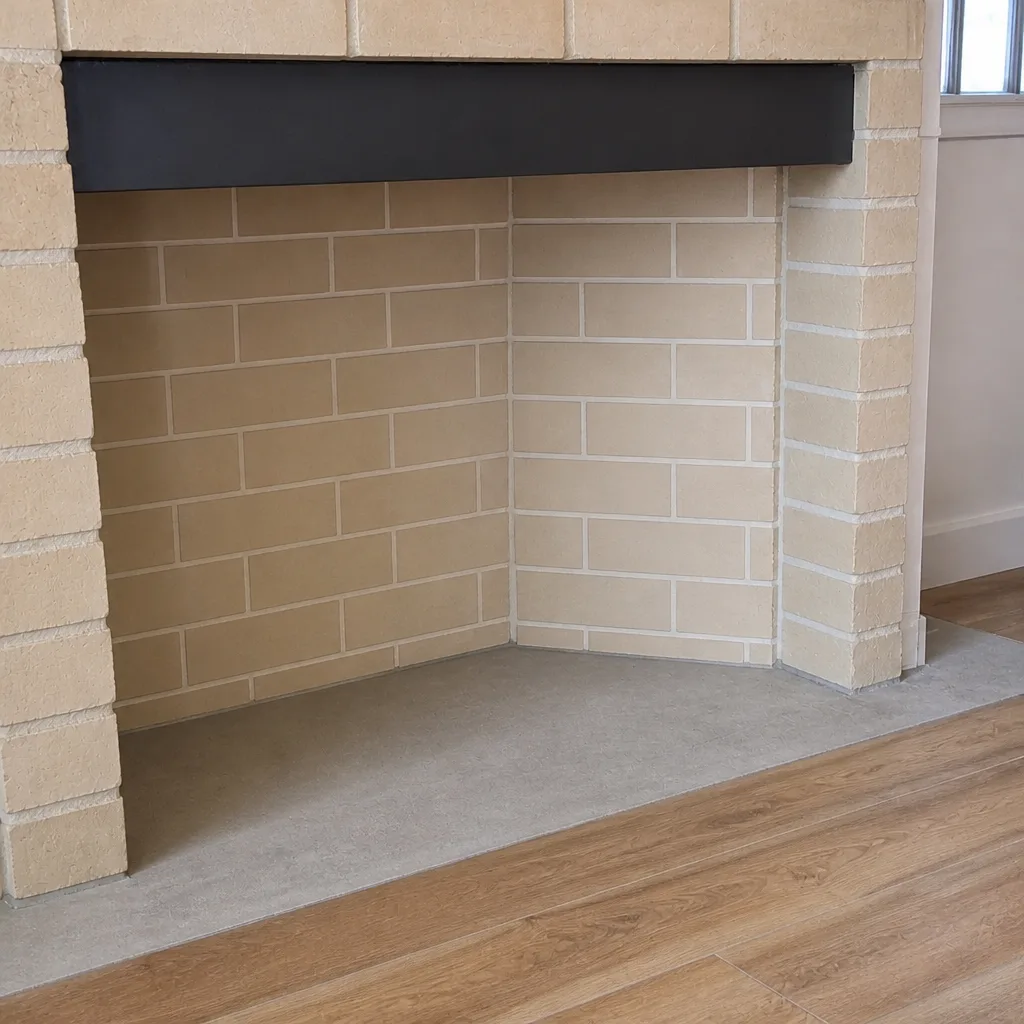
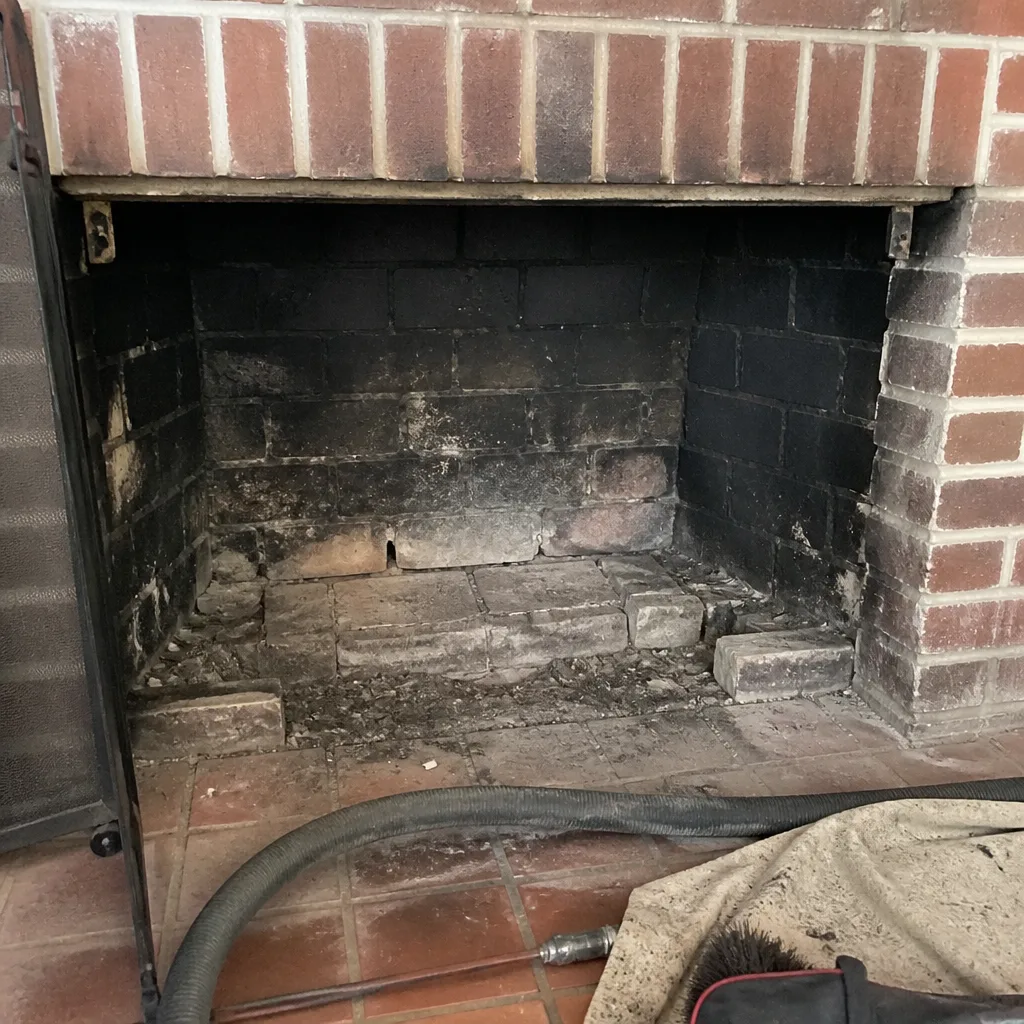
See the difference
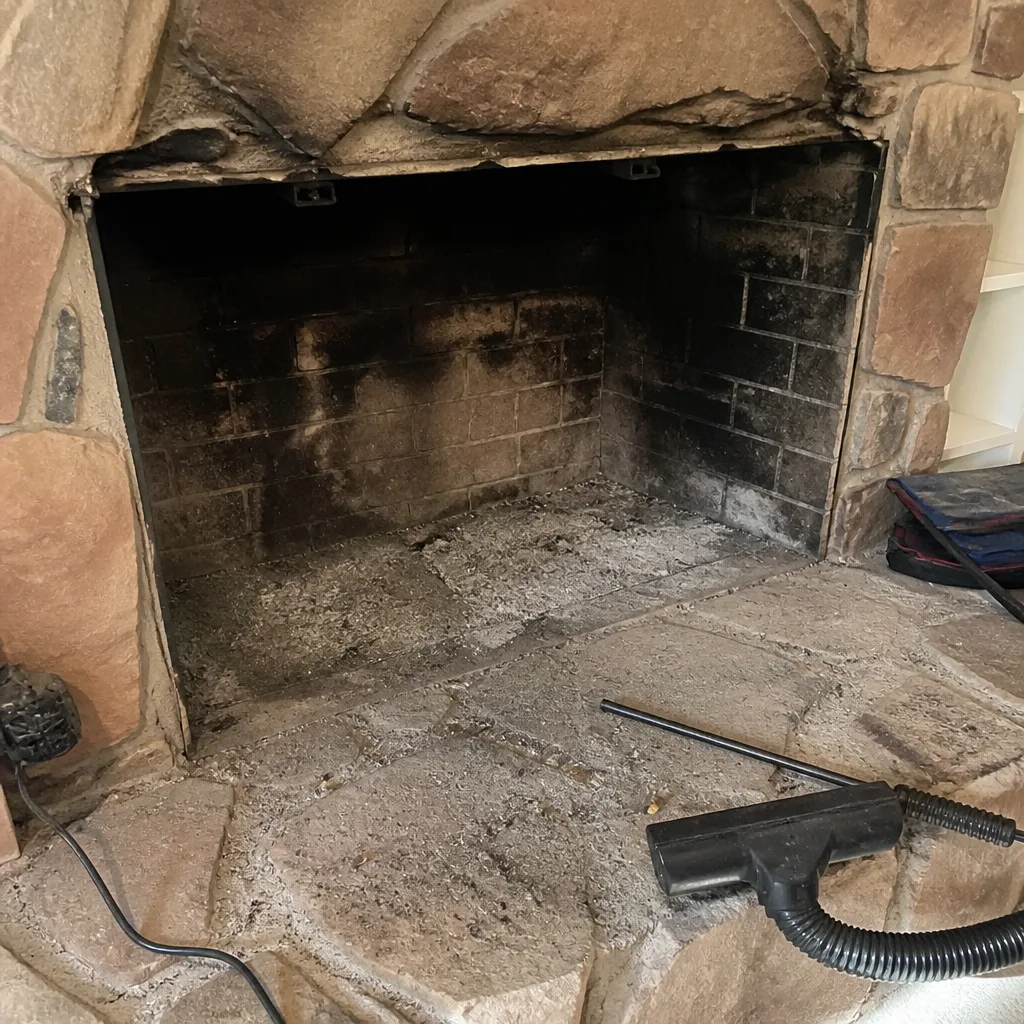 Before
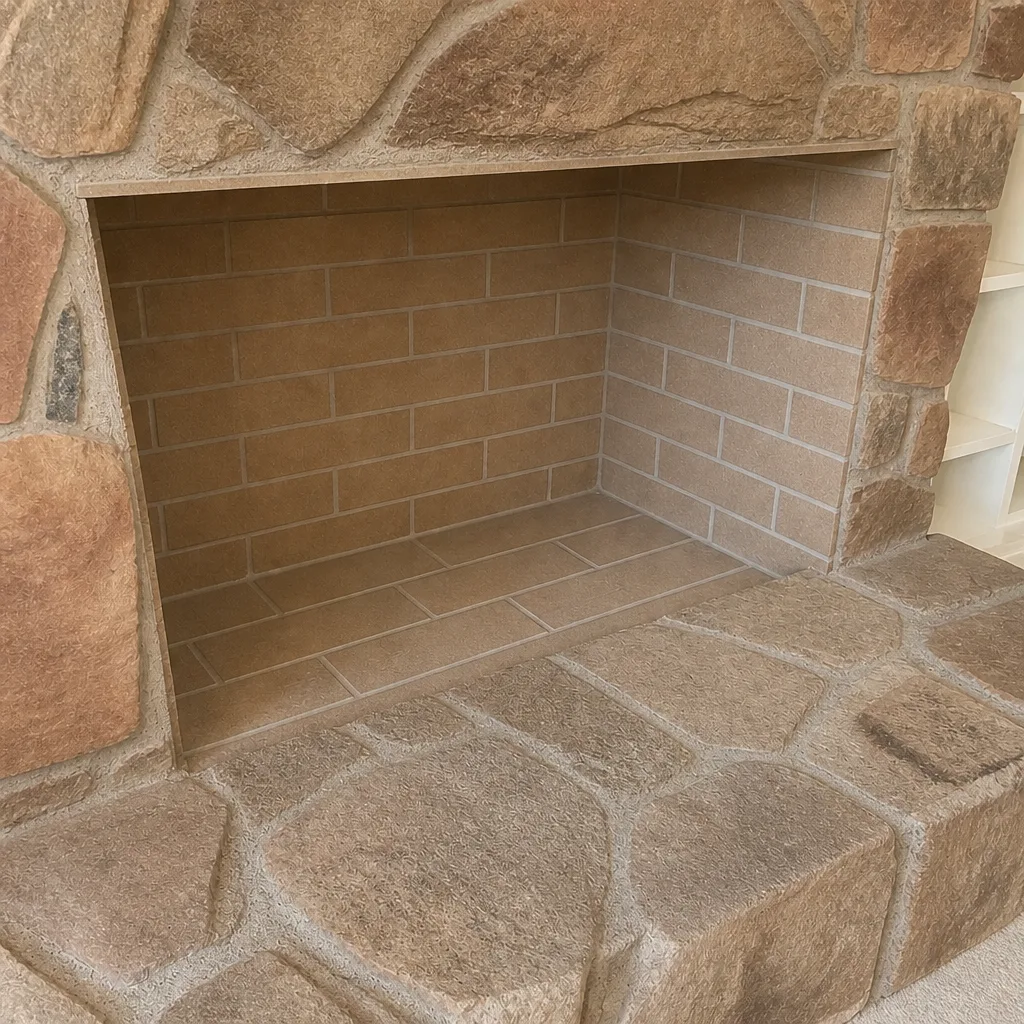 After
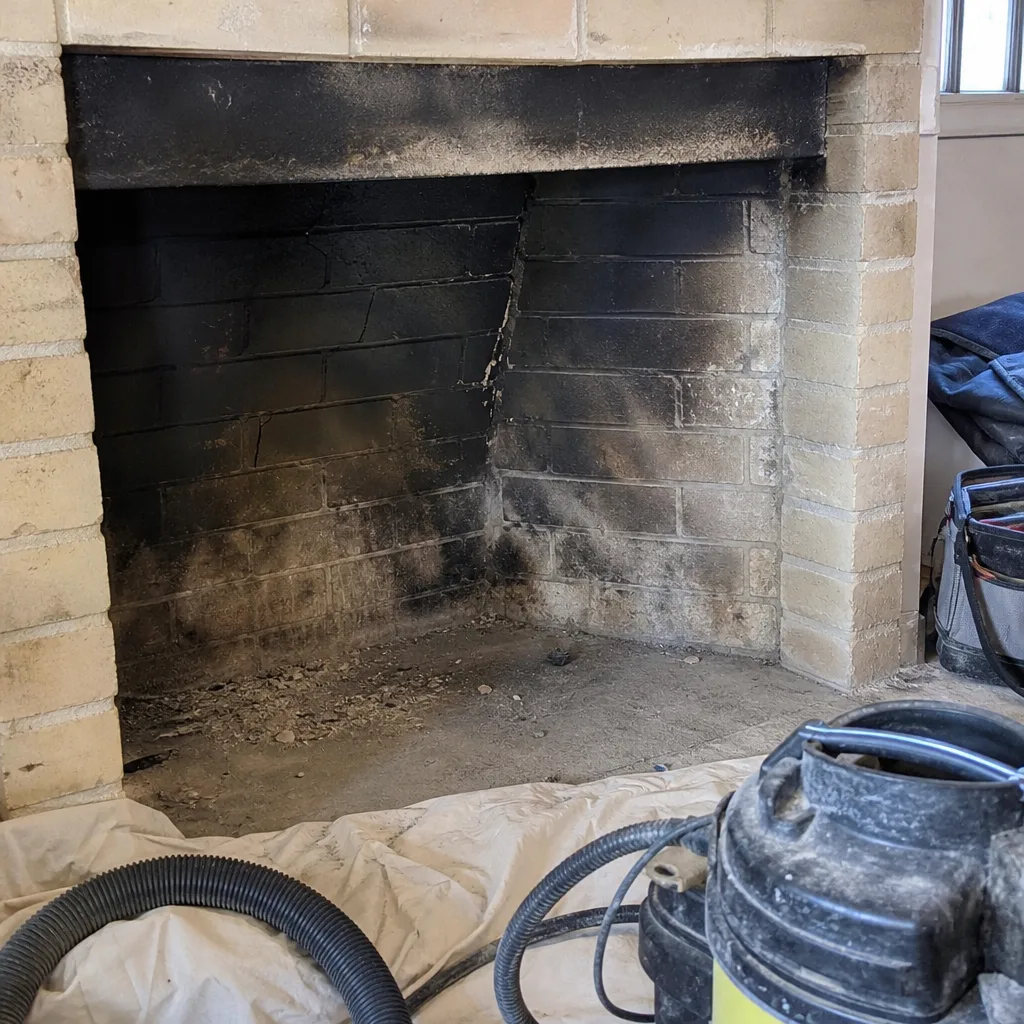 Before
 After
 Before
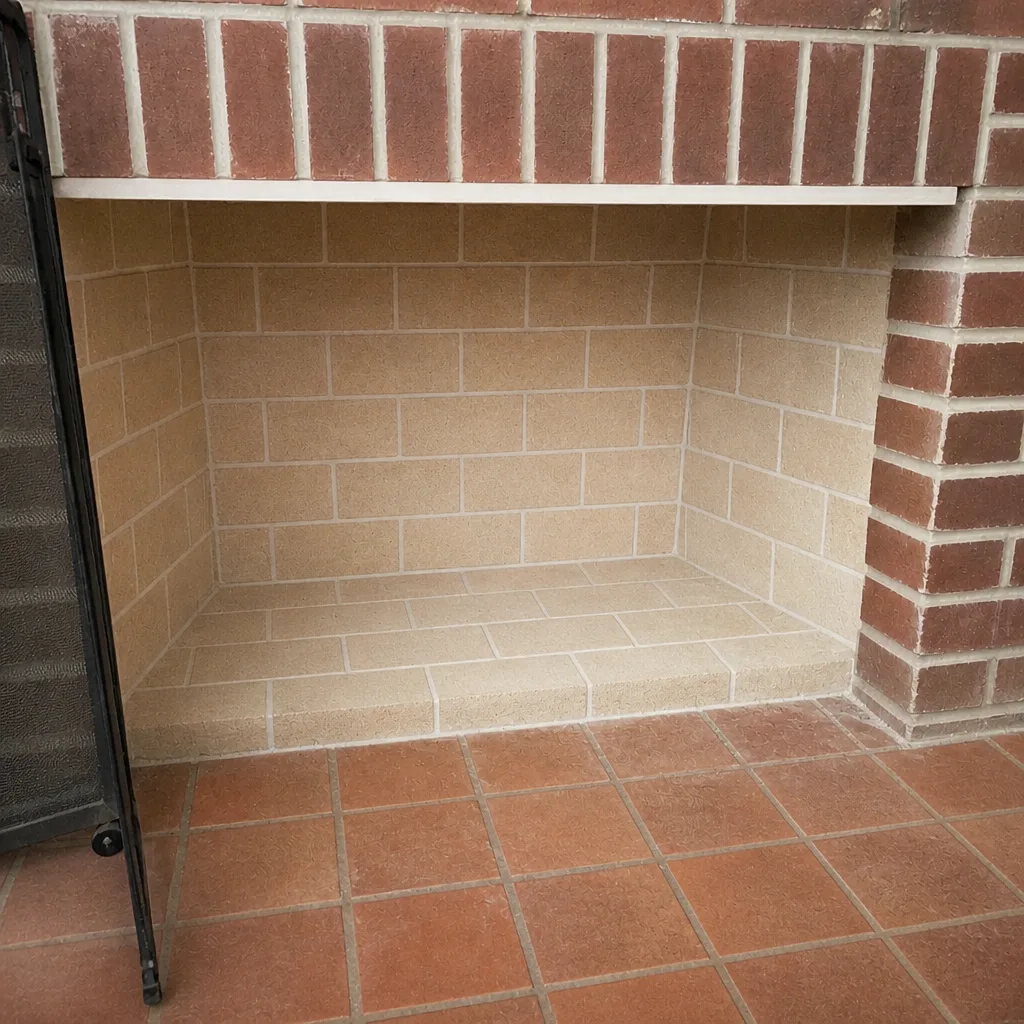 After
When to Call a Professional
Call a professional if you can’t see the inside of your flue, if you smell anything other than “nothing” when the fireplace is cold, if the damper won’t seat, or if you see spalling brick, white staining, or crown cracks from the ground. Call immediately if you’ve had a chimney fire, if smoke fills the room and won’t clear, or if a carbon monoxide alarm has gone off. Those are the situations where an inspection is not optional – they’re structural or safety signals. And call before the season if it’s been a few years since the chimney was swept, because a cleaning now is cheaper than a repair later. Goodyear Chimney Sweep offers free estimates in Goodyear – call (866) 361-8426. We answer 24/7. Fast dispatch from 7am to 7pm, Sunday through Friday. Our technicians have up to 8 years of experience, and every inspection includes a camera inspection and photo report so you can see the evidence yourself.
Frequently Asked Questions
A chimney sweep in Goodyear typically runs a few hundred dollars, depending on the flue, the amount of creosote, and whether a camera inspection is included. We set the price per job by written estimate, and the estimate is free, so you’ll know the number before we book. Call (866) 361-8426 for an exact quote.
Not usually – a liner only needs replacement when it’s actually failed, and the decision should be based on camera evidence rather than a verbal recommendation. Some deteriorating liners can be restored with HeatShield resurfacing instead, and a flexible DuraFlex liner can solve odd configurations a rigid one can’t. Ask to see the video of your own flue before you agree to anything.
Sweep once a year if you burn regularly, and at minimum once every few years even with light use – annual inspection is the safest calendar. In Goodyear, we suggest getting the sweep and inspection done in the fall before the first fire, when there’s no smoke in the way of a clear look at the flue.
Creosote builds up in stages, and stage 2 and 3 deposits are what fuel a chimney fire. Skipping a sweep doesn’t cause a fire every season; it quietly raises the odds until the night it doesn’t. The other cost is water damage from a crown or cap left unrepaired – that one gets expensive fast because masonry repair is far more than a cap replacement.
Musty smells in the summer almost always mean moisture is getting in through the crown, cap, or flashing, and the flue is holding it. A sulfur or rotten smell instead points to an animal in the flue. Both are fixable, and both are worth an inspection rather than a cover-up, because the moisture will keep damaging the masonry until the entry point is sealed.
Chimney fires can be loud and obvious (a roaring sound, a deep rumble, sparks or flakes at the top) or quiet and slow, leaving only puffy, glazed creosote and cracked flue tiles behind. If you’ve had a loud one, stop using the fireplace and call. If you’re not sure, a camera inspection will show whether the flue tiles survived – cracked tiles are the evidence most homeowners can’t see for themselves.
The Bottom Line
The most reliable warning signs of a chimney problem in Goodyear are inside the house, not on the roof: a damper that won’t seat, smoke that rolls back, a smell that shouldn’t be there when no fire is burning, spalling firebrick, and white staining from water intrusion. Exterior signs – crown cracks, missing mortar caps, stained brick below the cap – confirm the same story from the ground. The hard line is simple: fire damage, collapsed tiles, or CO symptoms mean stop burning now; everything else means schedule an inspection before the next season. Either way, a camera inspection tells you the truth, and the estimate is free. Call (866) 361-8426 to book your inspection or sweep, and we’ll show you what’s actually happening in your flue. A clean chimney is the starting point – a structurally sound one is the goal.
Written by the team at Goodyear Chimney Sweep.