
Last updated November 15, 2026
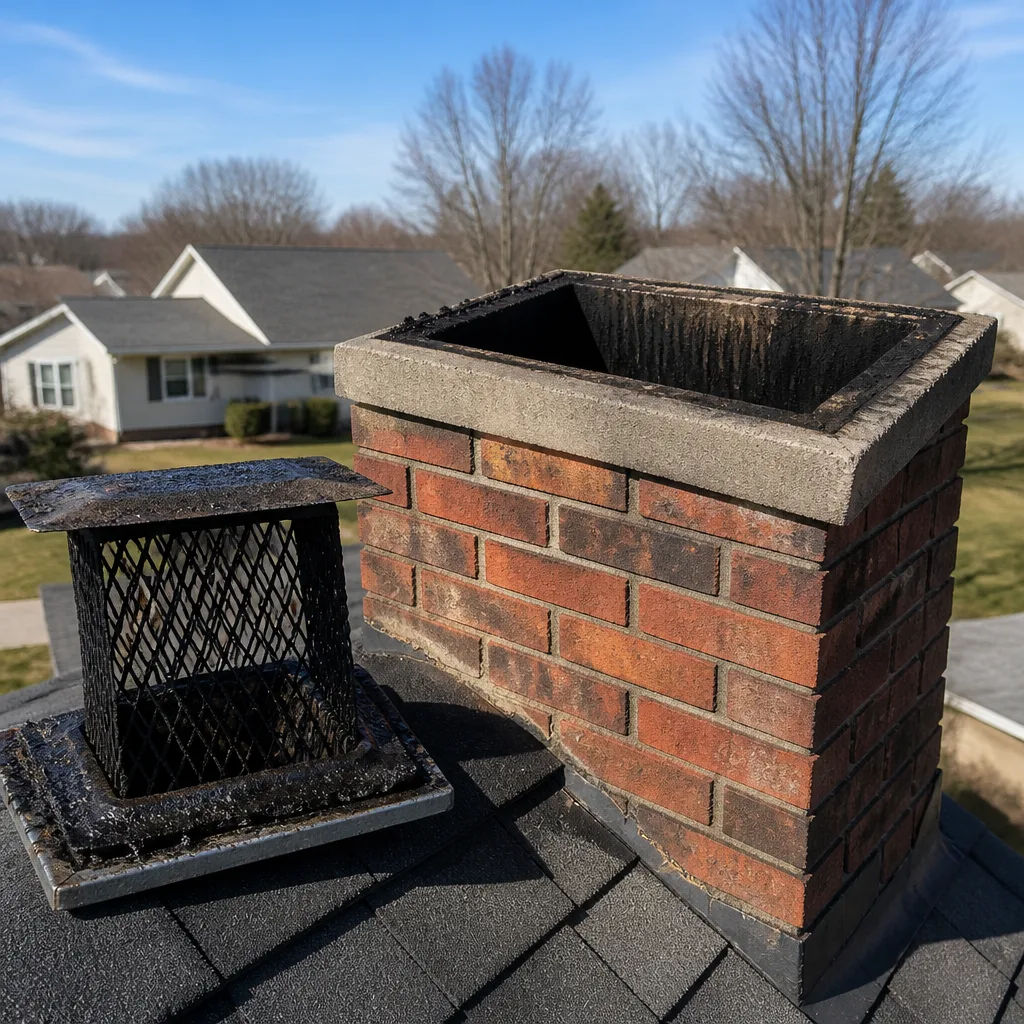 Sweep & inspection
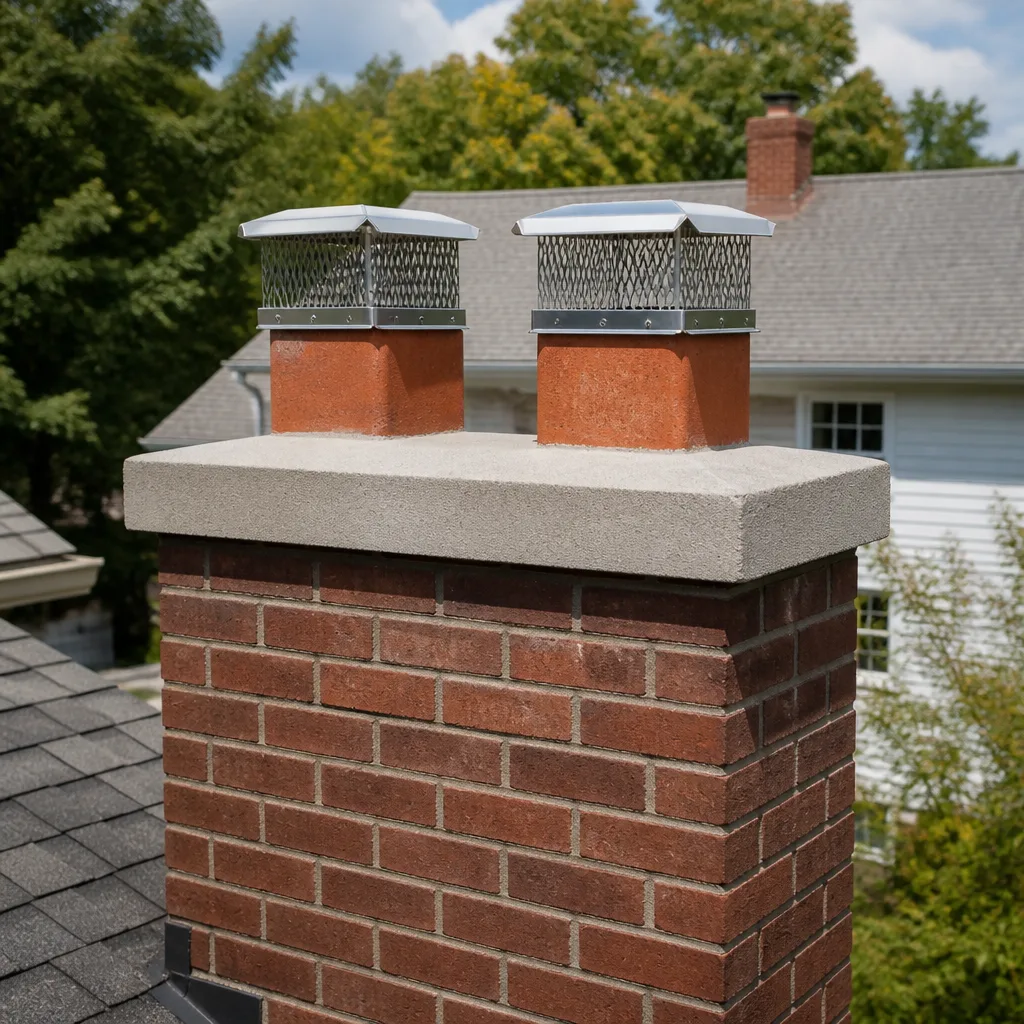 Caps & crowns
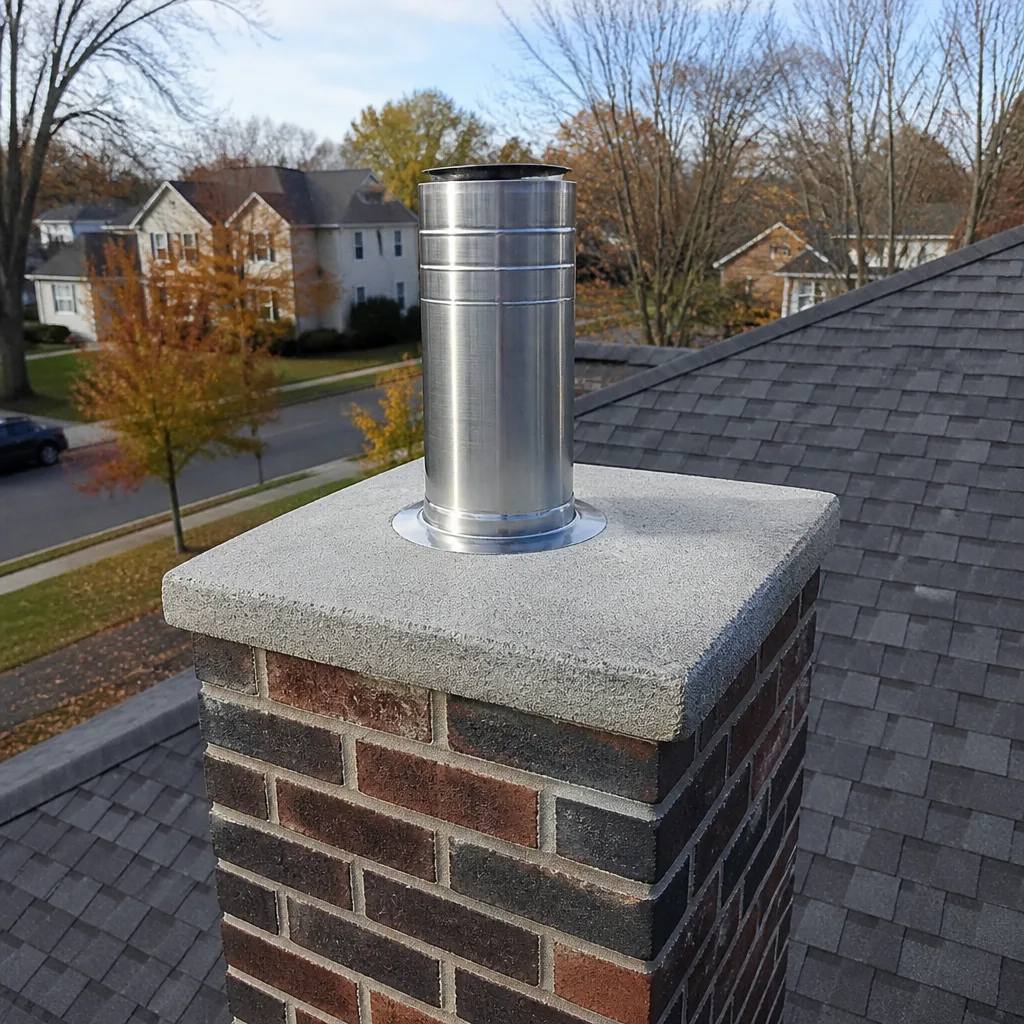 Flue relining
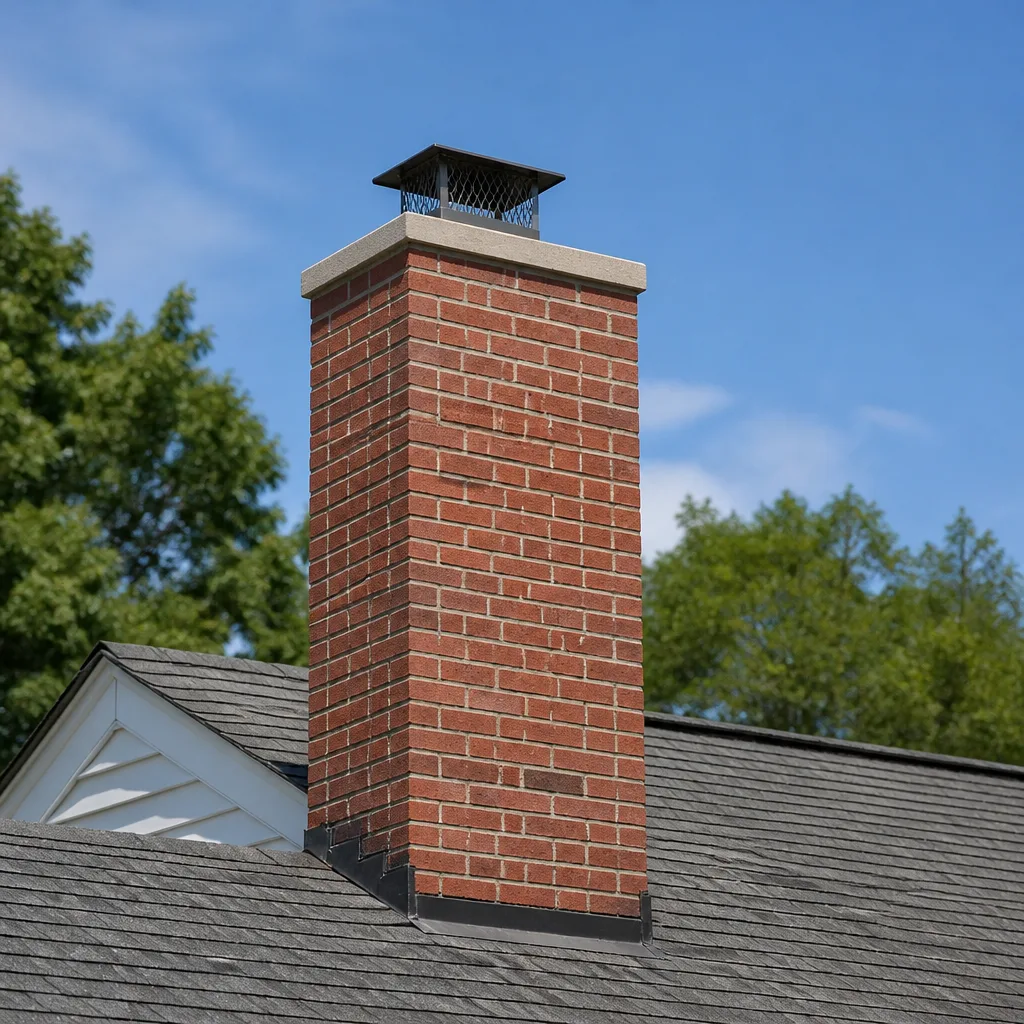 Masonry repair
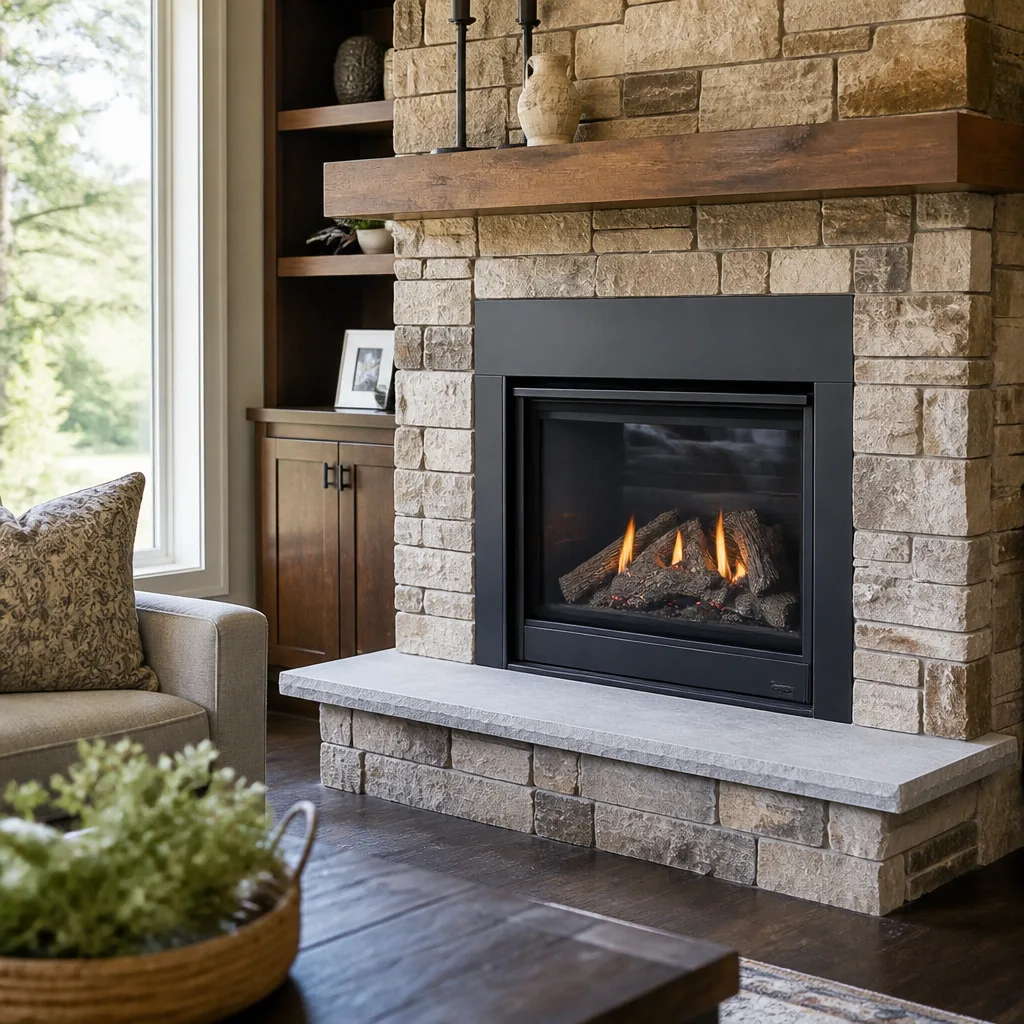 Gas fireplace service
Level 1 sweep and inspection to the NFPA 211 annual standard - flue, crown, cap, and flashing checked and photographed
Chimney sweep logs do not sweep chimneys. They loosen some creosote - which then falls where a brush and vacuum still have to collect it.
Chimney Cleaning Permits, Codes & Inspections in Goodyear, AZ: What You Need to Know
No permit is needed to sweep a flue. A permit is required the moment a sweep installs a new liner, rebuilds a firebox, or replaces a prefabricated insert – and those findings turn up often enough that homeowners should know the threshold before work starts. The confusion usually isn’t about whether a permit exists. It’s about where maintenance ends and alteration begins. A cleaning removes creosote and leaves the structure alone. A repair changes the structure, and that’s when the City of Goodyear wants eyes on the plan. This guide draws that line clearly: what’s covered by a permit, what isn’t, which code sections apply, how a proper inspection is documented, and who’s responsible for pulling the paperwork when a repair turns out to be more than a cleaning.
Quick Answer
In Goodyear, routine chimney cleaning does not require a building permit, but chimney repairs – liner replacement, firebox rebuilds, prefab insert replacement, and any change to venting – do. The repair scope falls under the Arizona Residential Building Code, which mirrors the IRC sections R1001 through R1003 for masonry fireplaces and solid-fuel venting. A proper NFPA 211 inspection before and after the work protects your insurance documentation and surfaces during a resale inspection. The contractor typically pulls the permit for repair work; the homeowner is responsible for verifying it was pulled.
Styles & brands we work with
- Sweep & inspection
- Caps & crowns
- Flue relining
- Masonry repair
- Gas fireplace service
Table of Contents
- What Actually Needs a Permit in Goodyear, AZ?
- Cleaning vs. Repair: Where the Permit Line Falls
- Arizona Residential Building Code: Sections That Apply to Chimneys
- What an NFPA 211 Inspection Means (and Why Insurers Care)
- How Unpermitted Chimney Repairs Surface at Resale
- Who Pulls the Permit? Contractor vs. Homeowner in Maricopa County
- Goodyear Homeowner Context: Desert Climate, Dust, and Inspection Timing
- The Inspection Checklist a Good Report Should Cover
What Actually Needs a Permit in Goodyear, AZ?
Goodyear issues building permits through its Development Services Department, and the department’s rules for chimneys follow the same logic that applies to any structural work on a home: if the job alters the venting system, changes the firebox geometry, or touches the load-bearing masonry, a permit is required. The permit exists so the work gets inspected by the city before the chimney goes back into service. Cleaning never reaches that bar because no component is removed or replaced.
Here’s how the divide usually breaks down:
- No permit required: chimney sweep, creosote removal, cap cleaning, damper adjustment, and visual inspection.
- Permit required: installation of a new stainless liner (DuraFlex or equivalent), full liner replacement, firebox rebuild, firebox panel replacement on prefab units, chimney crown rebuild, flue tile repair, or replacement of a prefabricated insert.
- Often permit-required: chimney chase modification, chimney height changes, and any new venting added to a home that previously had none.
One detail worth knowing: Goodyear has grown fast through neighborhoods like Estrella, Verrado, and Palm Valley, and much of that growth put prefabricated chimneys on homes built in a handful of active construction decades. Prefab systems have manufacturer-specific installation requirements that override general code in some places. When a prefab firebox panel is replaced or an insert is swapped, the installer follows the manufacturer’s spec, and the inspector verifies against that spec. It’s not the same job as repairing a masonry chimney, and the permit paperwork reflects the difference.
Every municipality handles minor repairs somewhat differently, so when the scope of work is unclear, calling Goodyear’s Development Services Department directly before the job starts is the cleanest answer. It’s a five-minute call that prevents a permit dispute three months later.
Cleaning vs. Repair: Where the Permit Line Falls
Most homeowners who call for a chimney sweep expect a cleaning and nothing else. That’s fine for a flue that’s dirty but structurally sound. The real question arises when the sweep – or the inspection that comes with it – uncovers a cracked flue tile, a deteriorated liner, or a firebox panel that’s spalling. The next step depends entirely on which of those findings is present and how severe it is.
In our experience, roughly one in four cleaning appointments in the Goodyear market surfaces repair work that goes beyond cleaning. That’s not a scare number. It’s a reality of homes that run wood fires in a desert climate, where temperature swings across a season put stress on masonry and tile joints, and where chimneys sit dormant for months before the first fire of the year. What matters is knowing when the finding is a repair and when it’s cosmetic.
- Cosmetic surface soot: removed by cleaning. No permit.
- Thin glaze creosote (Stage 1): removed by standard sweep. No permit.
- Thick, hardened creosote (Stage 2 or 3): may require specialty removal methods. Still no permit unless the removal damages the flue.
- Cracked flue tile, open mortar joint, or displaced tile: repair required. Permit may be required depending on the repair method.
- Deteriorated liner with cracks or gaps: resurfacing or relining required. Permit required for relining.
- Damaged firebox panels, cracked refractory, or metal firebox degradation: rebuild required. Permit required.
HeatShield resurfacing fits in category 5 for qualifying cases – a castable refractory restoration of a clay-lined flue that doesn’t yet justify a full reline. It’s a licensed system that’s become a real option for chimneys that are on the edge but not past it. In Goodyear’s mix of masonry and prefab chimneys, that middle tier matters because it saves a full tear-out when the liner only needs resurfacing.
The permit question comes down to whether the fix alters the flue system. Resurfacing a clay liner doesn’t require a permit in most jurisdictions because it restores the existing structure. Relining does, because a new stainless system replaces the venting path. A chimney repair technician should be clear about which category a given job falls into before starting.
Arizona Residential Building Code: Sections That Apply to Chimneys
Arizona adopts the International Residential Code (IRC) at the state level, and individual cities enforce it locally. Goodyear’s adoption means the federal-model chapters on chimneys and solid-fuel appliances apply. For homeowners who want to know what inspectors look for, the relevant coverage sits in Chapter 10, sections R1001 through R1003.
Here’s what each section governs in plain terms:
- R1001 – Masonry fireplaces: covers firebox dimensions, hearth extension requirements, wall thickness for masonry, and the required clearance between combustible material and the firebox. Firebox rebuilds and hearth work fall here.
- R1002 – Masonry chimneys: covers chimney height above the roofline, flue liner requirements, wall thickness, and clearance to combustibles. Flue tile repair, crown work, and any height change fall here.
- R1003 – Factory-built (prefabricated) fireplaces and chimneys: covers the installation requirements for metal, prefab, and listed chimney systems. This section defers to the manufacturer’s listed clearances and installation instructions for most specifics – which is why a replacement prefab insert isn’t a generic job.
Two things those sections don’t cover but matter in practice. First, the clearances from a chimney to framing and insulation are easy to overlook when a chase has been opened for a repair; when work touches the chase, clearances have to be re-verified. Second, gas appliance venting has its own subset of requirements, and those don’t overlap cleanly with solid-fuel rules. A wood-burning chimney repair doesn’t automatically satisfy gas-venting requirements if a home has both.
The specific requirements in R1001 through R1003 are detailed and technical, and reading them in the abstract doesn’t help most homeowners make a decision. What helps is knowing which section a proposed repair falls under, so the permit scope is clear before the estimate is signed. Our technicians have up to 8 years of experience working within Arizona’s adoption of the IRC, and we can tell you which section a given repair is governed by.
What an NFPA 211 Inspection Means (and Why Insurers Care)
NFPA 211 is the national standard for chimneys, fireplaces, vents, and solid fuel-burning appliances. An NFPA 211 inspection is a structured evaluation that follows the standard’s levels – Level 1, Level 2, and Level 3 – and each level answers a different question.
- Level 1 inspection: visual check of readily accessible portions of the chimney and appliance. Performed at every sweep visit. Sufficient for a chimney that’s in continued service with no change in fuel type or appliance.
- Level 2 inspection: everything in Level 1, plus access to accessible attics, crawl spaces, and areas of the chimney not visible from the firebox or the roof. Video camera inspection of the flue is typical. Required after a chimney fire, after a change in fuel type, after a change in appliance, or at a real estate transaction.
- Level 3 inspection: everything in Level 2, plus removal of components or demolition of portions of the chimney to access concealed areas. Reserved for confirmed or suspected hazards that lower-level inspections can’t resolve.
For insurance documentation, the Level 2 inspection with a written report and photo evidence is the standard most carriers accept when a claim is filed after a chimney fire. It documents the condition of the flue before and after the cleaning or repair. Without that documentation, insurers have less to work with, and claims can get slowed or denied based on the absence of evidence.
Insurers also factor chimney condition into homeowner’s policy renewals in some markets. If a chimney has visible deterioration – spalling in the firebox, missing cap, visible cracks – some carriers will require a documented inspection before renewing. This is one place where skipping the paperwork can cost more than the inspection would have. Getting a written NFPA 211 report after a good cleaning in Goodyear is not bureaucracy; it’s the record that matters when a claim question comes up.
A complete inspection report includes: photographs of every accessible flue section, the appliance, the firebox, the damper, the crown, the cap, and the flashing; the inspector’s written diagnosis; and a clear distinction between defects that need immediate repair, defects that need monitoring, and items that are simply age-related and safe to leave.
How Unpermitted Chimney Repairs Surface at Resale
Unpermitted chimney work usually sits invisible until one of three things happens: an insurance claim, a home sale, or a chimney fire. The resale inspection is where it surfaces most often, and the discovery typically goes one of two ways. The buyer’s chimney inspection – which many buyers now request as a matter of course – flags a liner that isn’t the right type, a firebox that doesn’t meet clearance requirements, or a chase modification that doesn’t match the original permit history. Or the city’s permit records, pulled during the title search, show no permit for work that’s clearly been done.
What happens next depends on how the parties respond. Some cases resolve with the seller pulling a retroactive permit and getting the work inspected after the fact. Some require opening the chimney to verify what’s actually there. Some require the repair itself to be redone because the unpermitted work didn’t meet code, and the buyer’s lender won’t fund the sale until it does.
The remediation cost is unpredictable because it depends on what was done wrong and what has to be undone. The honest reality: it’s almost always more than pulling the permit would have been. That’s the case for insisting on a permit before any repair starts, and for asking for the permit number when the work is done.
Two things homeowners can do to protect themselves:
- Before work starts, ask whether the scope of work falls under a permit and who’s pulling it. Get the answer in writing on the estimate.
- After work is complete, request the final inspection sign-off from the contractor. Keep it with the home records alongside any inspection reports.
Goodyear’s building department maintains permit records, and any homeowner can request a permit history for their property address. That’s the check the buyer’s agent will run, so it’s worth running yourself before a sale is on the table.
Who Pulls the Permit? Contractor vs. Homeowner in Maricopa County
For most chimney repair work in Maricopa County, the licensed contractor pulls the permit. That’s the standard arrangement because the contractor is the party responsible for the work being completed to code, and the permit inspection verifies the finished result against the plan the contractor submitted. A homeowner can pull a permit in some circumstances, but a homeowner-pulled permit usually means the homeowner is acting as the general contractor for the job, and that brings liability the homeowner may not want.
The practical split:
- Contractor’s responsibility: submitting the permit application, pulling the permit in the contractor’s name (where allowed by the jurisdiction), scheduling the inspection, ensuring the work passes, and providing the homeowner with final inspection documentation.
- Homeowner’s responsibility: verifying the contractor is licensed for the scope of work, confirming a permit will be pulled before work starts, providing access for the city inspector, and keeping copies of the permit and inspection records with the home’s records.
One wrinkle specific to chimney work: on some repairs – particularly those where the chimney is opened up for a liner replacement – the inspection occurs in stages, and the contractor has to call for a partial inspection at the right point. If the repair moves past that point without the inspection, the city may require the work to be opened back up. A contractor who’s done the work in Goodyear knows the sequence and schedules around it. It’s not a reason to worry; it’s a reason to ask how the inspection will be handled.
The other question homeowners ask is whether a sweep-only visit ever needs a permit. It doesn’t. Cleaning is maintenance, and maintenance doesn’t trigger a permit in any jurisdiction we know of. The permit line starts with the appearance of alteration work.
Goodyear Homeowner Context: Desert Climate, Dust, and Inspection Timing
Goodyear sits in the West Valley, where the burn season runs roughly late fall through early spring and the long, hot summer keeps most fireplaces out of service. That rhythm creates two specific chimney patterns worth understanding.
First, dormant-season settling. Chimneys that sit unused for months can develop small gaps in mortar joints and around flue tiles. The dust that comes with desert air can work its way into those gaps, and the first fire of the season drives it back into the flue. That’s one reason a pre-season inspection is worth scheduling before cooler weather hits. A chimney inspected in October is a chimney ready to run; one inspected after a fire has already been burning is a chimney playing catch-up.
Second, the way the desert climate stresses masonry. Wide temperature swings across the day are common in the shoulder seasons, and masonry that heats and cools repeatedly over a season can show fine cracking at joints that wouldn’t appear in a milder climate. Most of that is cosmetic and safely left alone. The cases that aren’t cosmetic are the ones where a crack extends into the flue path, and those are the cases the inspection is designed to catch.
Neighborhoods like Estrella and Verrado have a higher proportion of newer construction, and newer prefab chimneys have manufacturer-specific inspection needs that differ from older masonry. Palm Valley and older parts of Goodyear include masonry-built chimneys that have weathered more seasons and benefit from a Level 2 inspection before a sale or a significant repair. None of these neighborhoods behaves the same as the others, and the inspection findings usually reflect that.
Timing aside, the standard cadence holds: annual inspections for any chimney in active use, a Level 2 inspection after a chimney fire or a change in appliance, and a Level 2 inspection at any real estate transaction. Cleaning frequency depends on how much wood is burned per season and what stage of creosote is accumulating. A chimney that heats a home all winter needs cleaning more often than a fireplace used a few times a year.
The Inspection Checklist a Good Report Should Cover
A written inspection report is worth the paper it’s on when it’s detailed enough to act on. Here’s what a complete report should cover, and what to check for when you get one back:
- Appliance and firebox: photographs of the firebox interior, the refractory panels, the door seals, and the damper. Written notes on any spalling, cracking, or displacement.
- Flue interior: video camera footage of the full flue path, with stills of any defects. A report without flue video is a report that’s guessing.
- Liner condition: for clay-tile liners, condition of the tile joints and any offset or displacement. For stainless liners, condition of the seams and the top termination. For resurfacing candidates, whether HeatShield resurfacing is a viable option.
- Crown and cap: condition of the chimney crown, the cap, and the spark arrestor. Whether the cap is a Famco or Gelco style and whether it’s intact or failing.
- Flashing and chase: condition of the roof flashing and any signs of water intrusion at the chase. Whether the chase clearances to adjacent framing are intact.
- Height and clearances: measurement of the chimney height relative to the roofline, and confirmation of clearance to combustibles where visible.
- Written diagnosis: a clear split between items that need immediate repair, items to monitor at the next inspection, and items that are age-related and safe to leave.
A report that skips the flue video or lists vague “recommendations” without specifics is not a Level 2 inspection, no matter what the header says. The camera evidence is what allows the homeowner to see the problem the technician is describing – and that’s what separates a real inspection from an upsell.
Our brand list is a reflection of that standard. Working with DuraFlex and Olympia Chimney for liner systems, HeatShield for resurfacing, and Famco and Gelco for caps and dampers is not because those brands are the easiest to source. It’s because when a report flags a repair, the repair gets specified by name and the homeowner knows exactly what will be installed. A generalist pushing big-box parts isn’t held to the same standard.
If a technician recommends a repair and can’t or won’t show you the camera footage that supports it, the recommendation needs a second look. The video is the evidence, and it should always be available.
Common Mistakes to Avoid
- Assuming cleaning covers the permit question. Cleaning never needs a permit, but it often uncovers a repair that does. Homeowners who think they’re done after the sweep are the ones surprised by an unpermitted repair later. Ask before the appointment whether the scope of work includes any alteration.
- Letting a repair proceed without the written scope in hand. A verbal estimate isn’t a permit scope. The written estimate should specify the repair, the materials (DuraFlex, HeatShield, Olympia Chimney, or whatever’s appropriate), and whether a permit will be pulled.
- Pulling a homeowner permit on repair work without understanding the liability. It seems like it saves money, but the homeowner becomes the contractor of record, and the inspection burden shifts. The licensed contractor pulling the permit keeps the liability where it belongs.
- Skipping the final inspection sign-off. The permit is not complete until the city inspector has signed off. A permit pulled but not inspected is worse than no permit at all because it flags to the buyer’s agent that work happened without a closing inspection.
- Waiting until the sale is in motion. Chimney permits and inspections take time to resolve, and a seller doesn’t want to be scheduling a retroactive permit during a 30-day close. Running the property’s permit history in Goodyear before the house goes on the market prevents that scramble.
- Assuming a “no permit needed” answer covers every repair. The answer depends entirely on the scope. A firebox rebuild is not the same permit question as a cleaning, and a contractor who answers both with “no permit” doesn’t know the code.
- Treating a report-less inspection as a completed inspection. If the inspection produced no written report, no photographs, and no flue video, it produced evidence that won’t help you with insurance or a resale. Get the written report.
See the difference
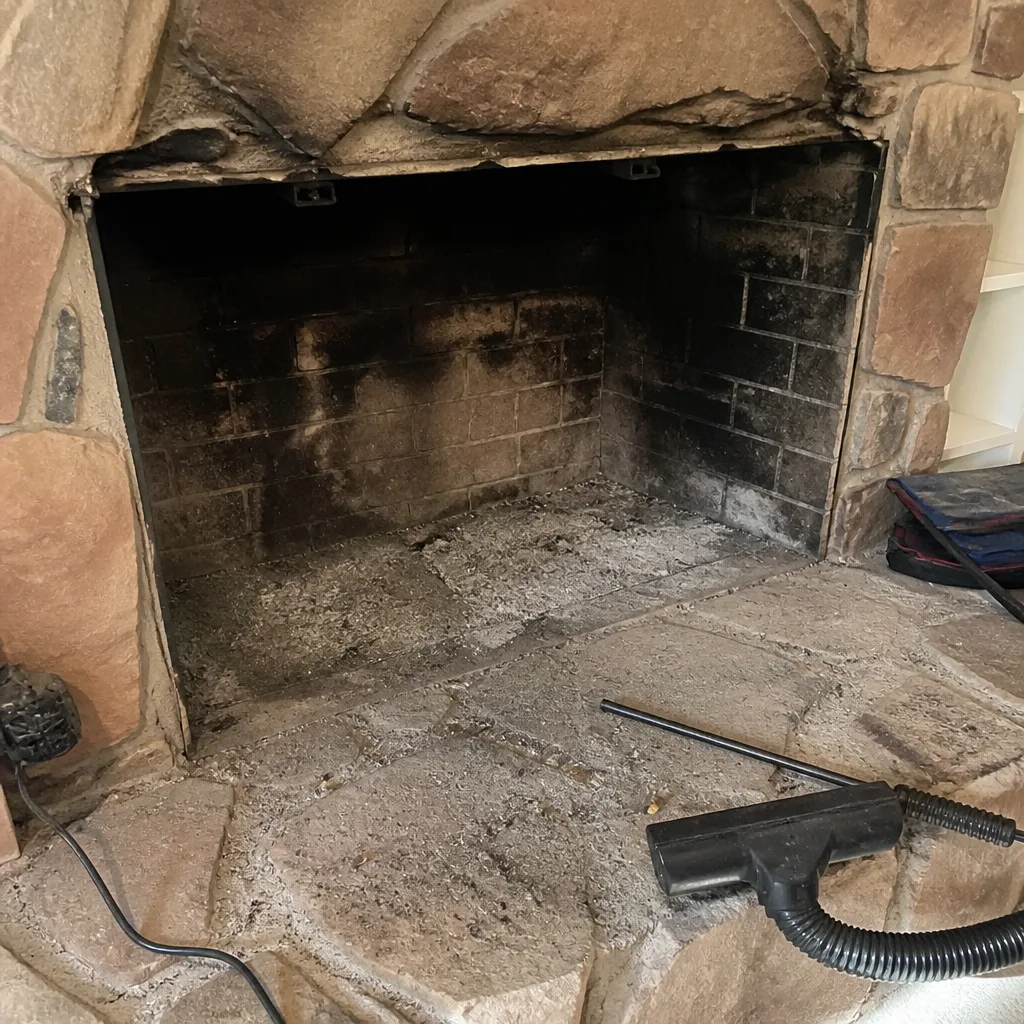 Before
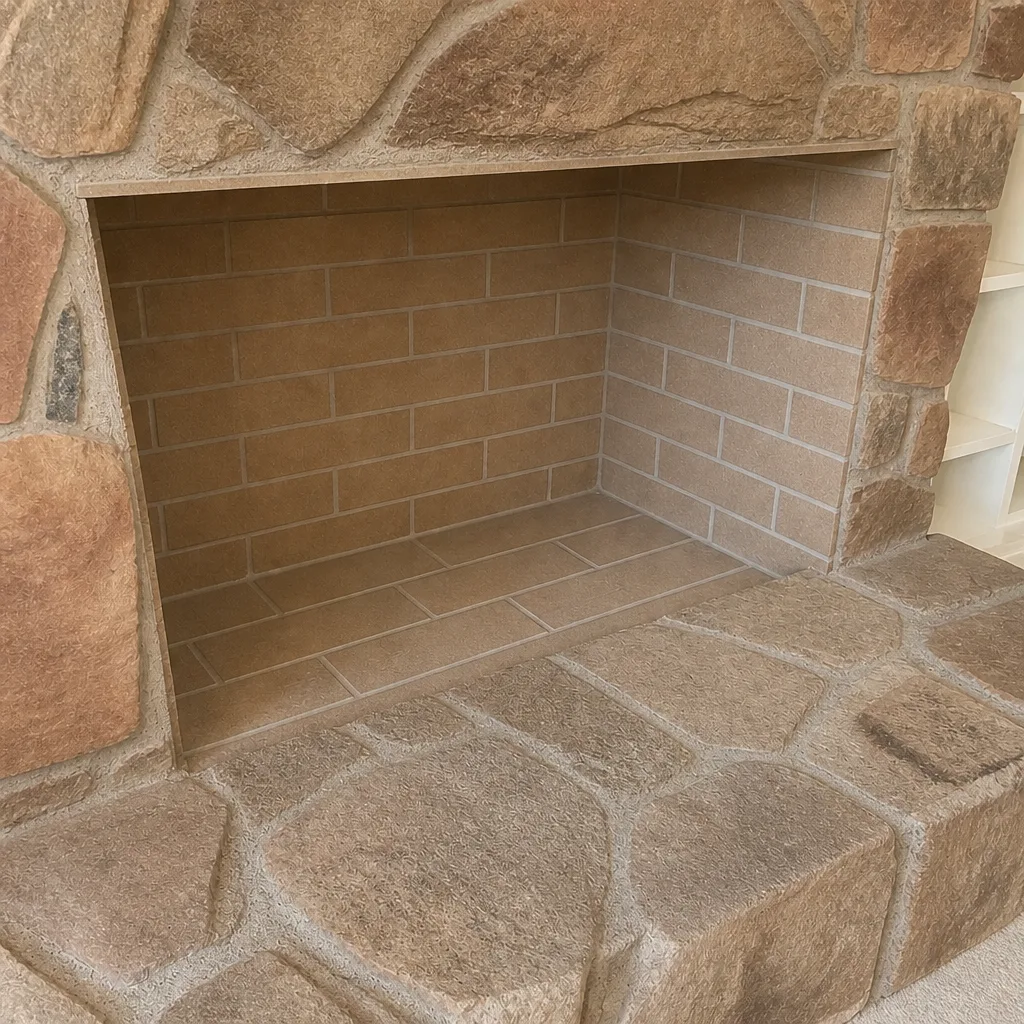 After
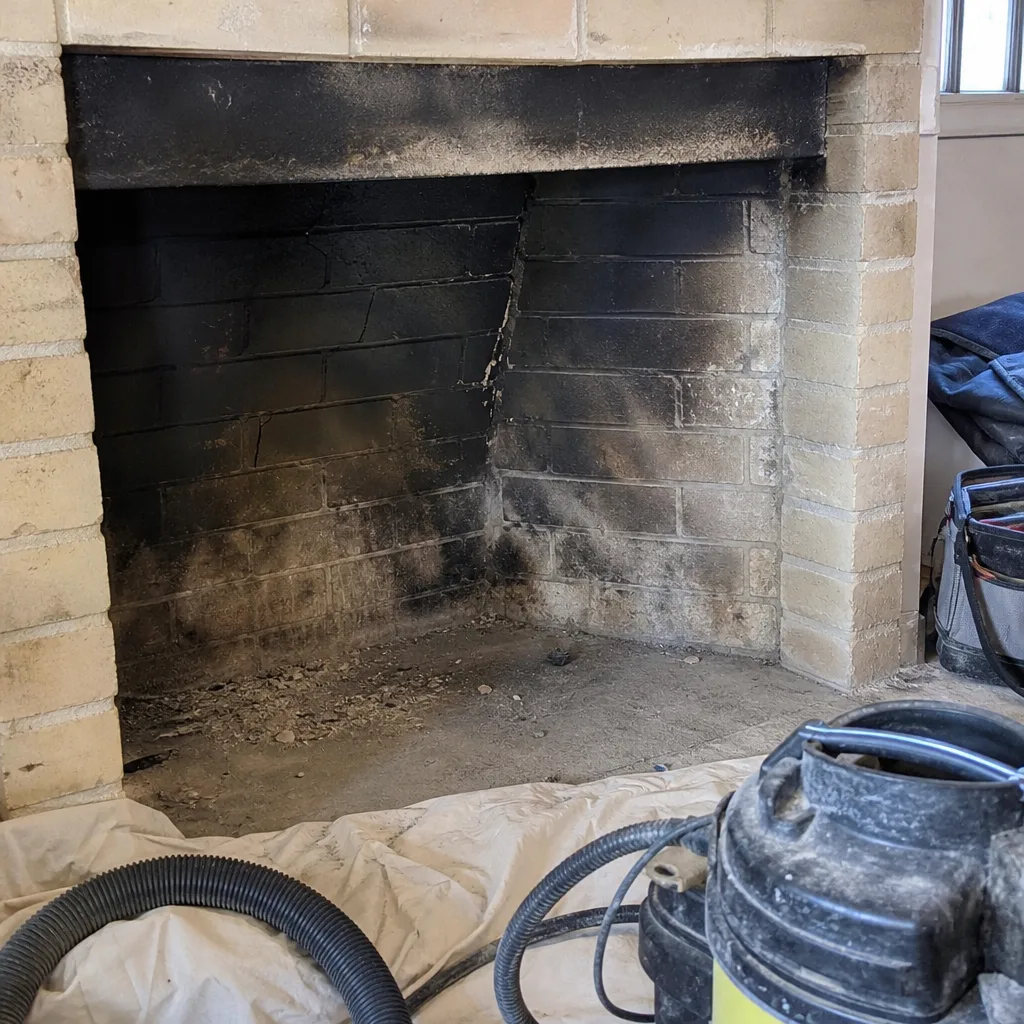 Before
 After
 Before
 After
When to Call a Professional
Call whenever the scope of work crosses from cleaning into repair. That’s the moment the permit question, the code question, and the insurance documentation question all land at once, and none of them are worth guessing on. Specific scenarios: the sweep uncovers a cracked flue liner or a deteriorated firebox; the report flags a repair that a different contractor estimated in vague terms; the home is heading into a sale and the buyer’s inspection has raised chimney items; or the chimney hasn’t been inspected in several seasons and the first fire of the season is approaching. In any of those cases, getting a proper inspection with camera evidence is the first step. Goodyear Chimney Sweep offers free estimates in Goodyear – call (866) 361-8426. We answer 24/7. Fast dispatch from 7am to 7pm.
Frequently Asked Questions
No. Chimney cleaning is maintenance and doesn’t require a permit in Goodyear or anywhere else in Maricopa County. The permit question only comes up when cleaning uncovers repair work – liner replacement, firebox rebuild, prefab insert replacement, or a change to the venting system. Call (866) 361-8426 if you’re not sure which side of that line your chimney’s repair falls on – the estimate is free.
Yes. Replacing a chimney liner – stainless or otherwise – requires a permit because it alters the venting system. The permit scope covers the liner itself, the top termination, and the clearance verification. A contractor who installs a new liner without a permit is leaving the homeowner with a paper trail that will eventually surface, usually at resale. Call (866) 361-8426 for an exact quote on a permitted liner replacement – estimates are free.
An NFPA 211 inspection is a structured evaluation of the chimney and appliance following the national standard for chimneys and solid-fuel appliances. There are three levels: Level 1 visual, Level 2 with camera access to concealed areas, and Level 3 with partial demolition. You need a Level 2 any time there’s been a chimney fire, a change in appliance, a change in fuel type, or a real estate transaction. A Level 1 suffices for routine annual service on a chimney in good condition. Call (866) 361-8426 with your specific situation and we’ll tell you which level you need – the estimate is free.
Once per year for a chimney in active use, more often if you burn heavily through the season. Stage 2 or 3 creosote accumulation triggers a cleaning regardless of the calendar, and the only reliable way to know the stage is an inspection. The desert cycle here – long dormant summers followed by an active burn season – means a pre-season inspection is worth scheduling before the first fire rather than after. Call (866) 361-8426 to book a sweep and inspection together – the estimate is free.
It surfaces in one of three places: the buyer’s inspection, the title search, or an insurance claim. The remediation depends on what was done – sometimes a retroactive permit resolves it, sometimes the repair has to be redone to code because the unt permitted work didn’t meet clearance requirements. If you’re buying or selling a home in Goodyear with chimney history that’s unclear, a Level 2 inspection gives you the evidence to either resolve the question or walk away from it. Call (866) 361-8426 for an inspection quote – estimates are free.
The licensed contractor doing the work, in nearly every case. That’s the standard arrangement because the contractor is the party accountable for code compliance and the inspection sign-off. A homeowner can pull a permit in some circumstances, but that shifts the liability for the work onto the homeowner. Ask before work starts who’s pulling the permit, and get the answer on the written estimate. Call (866) 361-8426 to talk through the permit scope on a repair – the estimate is free.
The Bottom Line
Cleaning doesn’t need a permit; repair does. The line between them is the scope of work, and it’s the single most useful thing a homeowner can know before scheduling a chimney appointment. Get an inspection that produces camera evidence and a written report, ask who’s pulling the permit before repair work starts, and keep the paperwork – the inspection report and the final permit sign-off – with your home records. In a market like Goodyear, where resale inspections and insurance documentation have become routine, that file is the difference between a smooth transaction and a scramble. Our team at Goodyear Chimney Sweep handles inspected, cleaned, and repaired chimneys start to finish, with materials specified by name.
Call (866) 361-8426 for a free estimate. We answer 24/7. Fast dispatch from 7am to 7pm, Sunday through Friday.
Written by the team at Goodyear Chimney Sweep.