
Last updated November 15, 2026
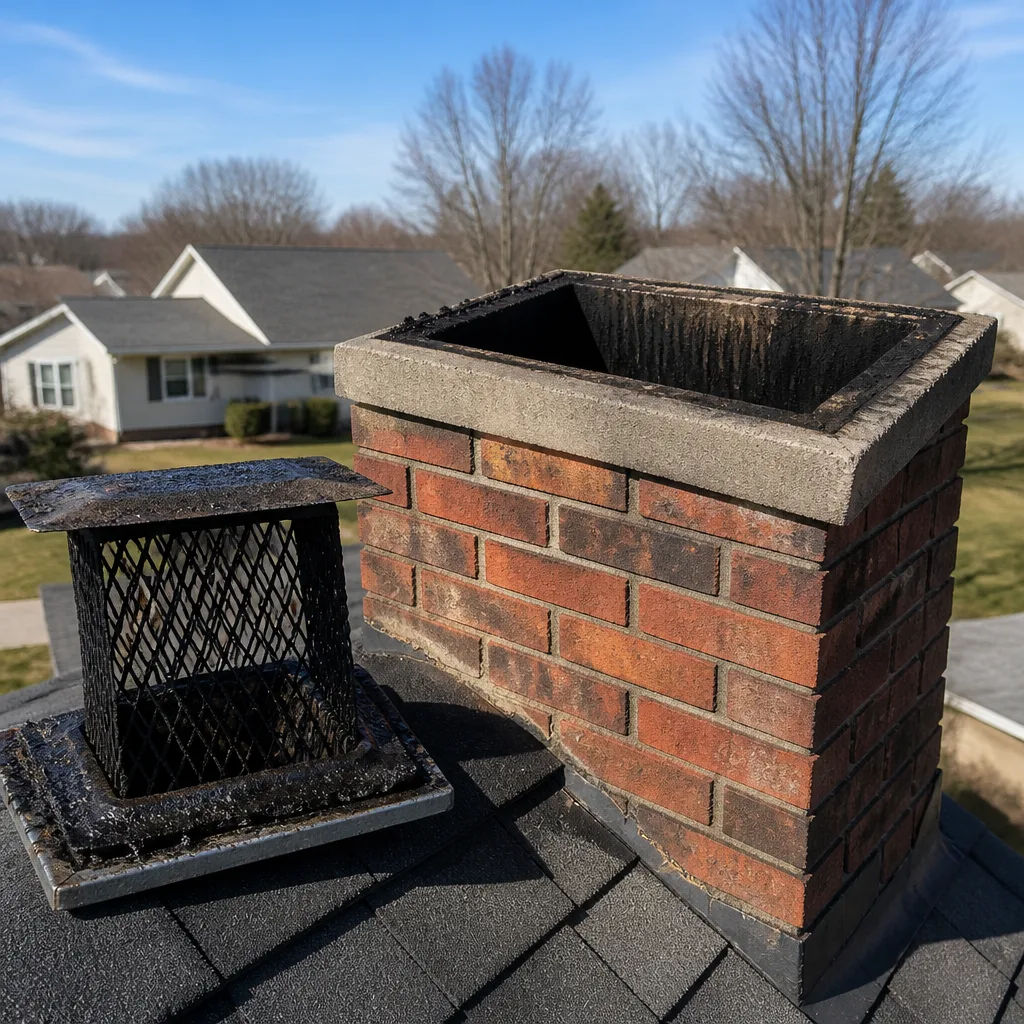 Sweep & inspection
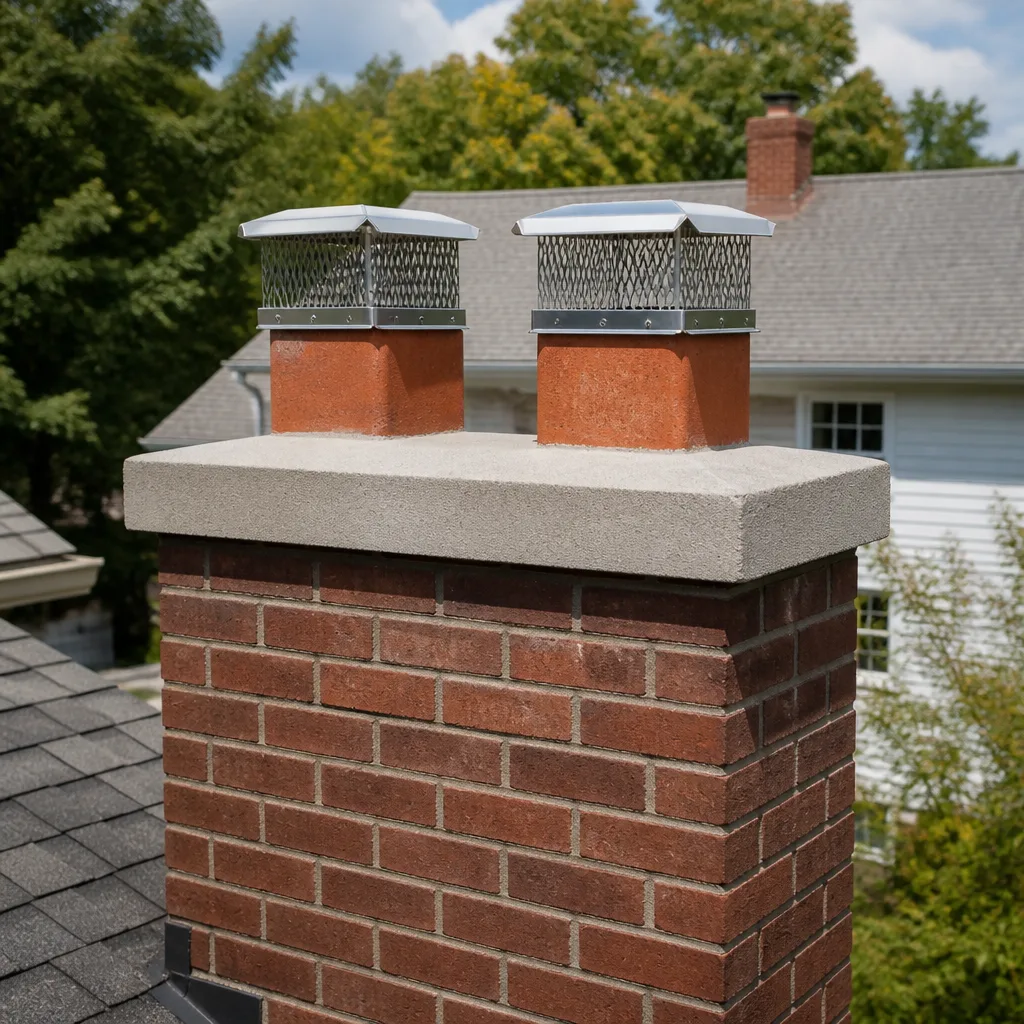 Caps & crowns
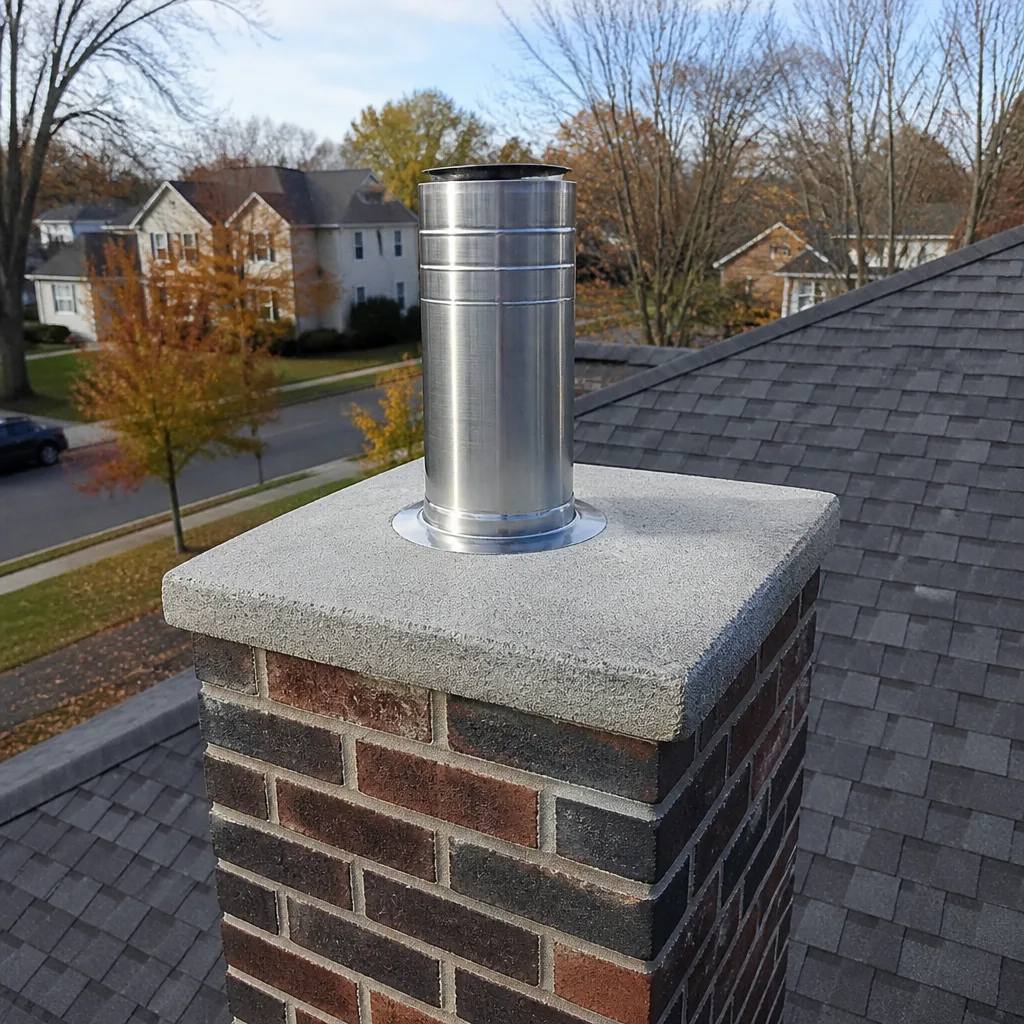 Flue relining
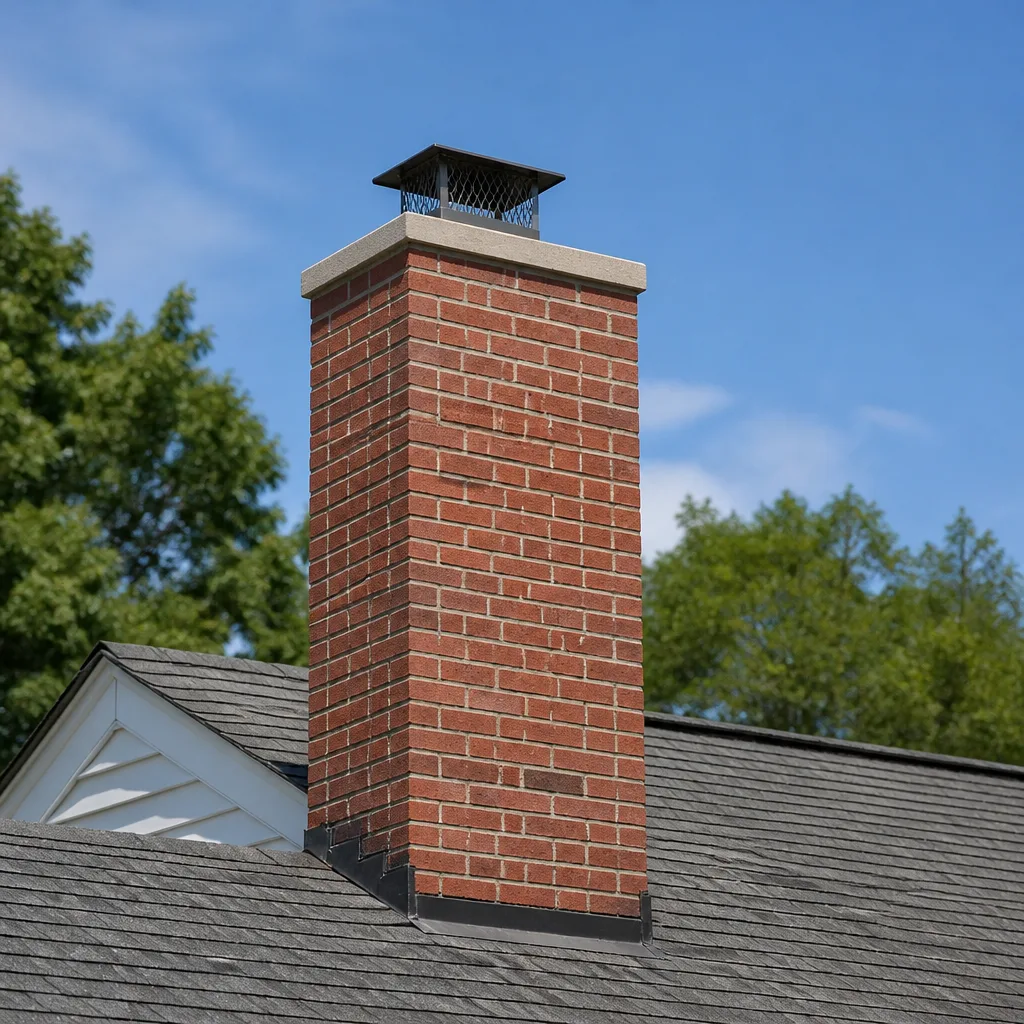 Masonry repair
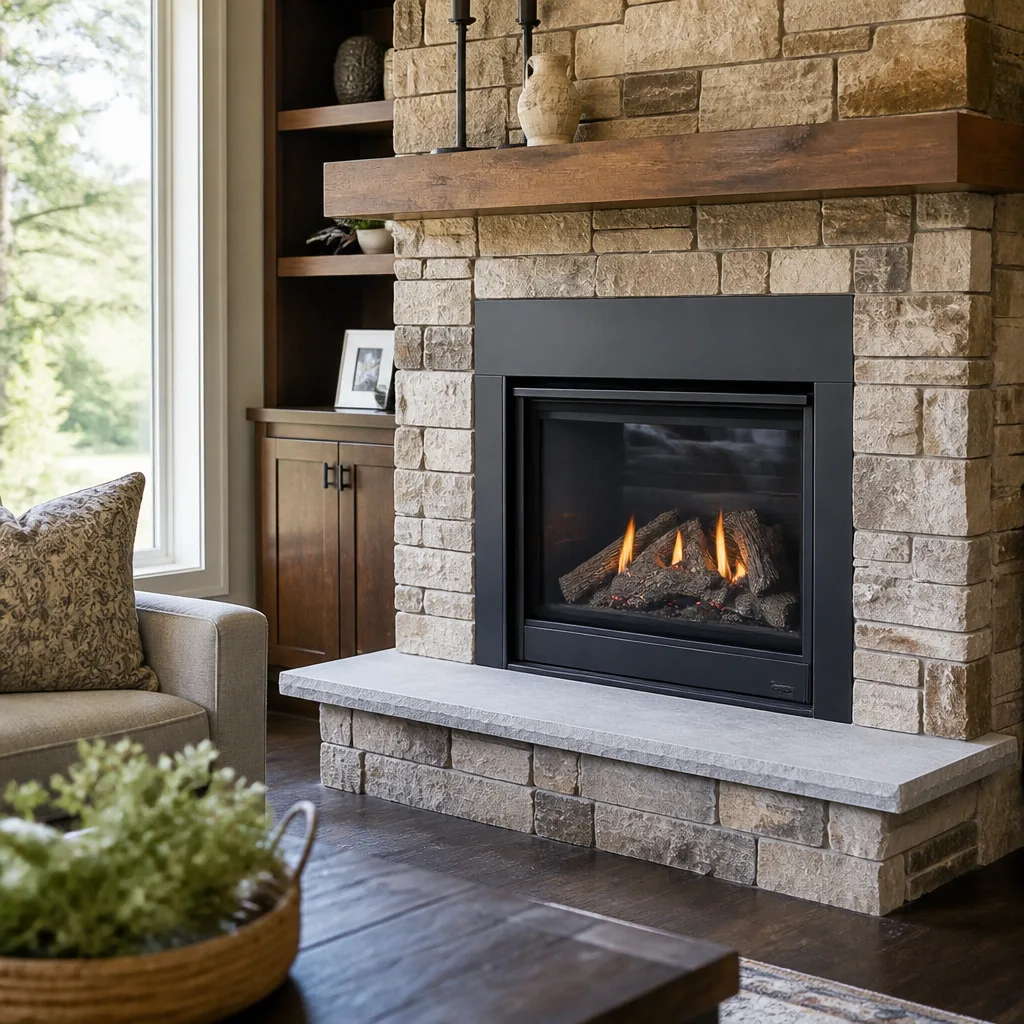 Gas fireplace service
Level 1 sweep and inspection to the NFPA 211 annual standard - flue, crown, cap, and flashing checked and photographed
Chimney sweep logs do not sweep chimneys. They loosen some creosote - which then falls where a brush and vacuum still have to collect it.
Chimney Sweep Maintenance Schedule: What to Do and When
Most chimney advice you’ll find online says the same thing: sweep before winter. That’s sensible guidance almost everywhere else, but it’s the wrong calendar for Goodyear. NFPA 211 calls for an annual inspection, yet it never says which month that inspection should happen. Here, where a burn season lasts roughly November through February and most households light only 10 to 15 fires, the dangerous gap isn’t the summer. It’s the stretch after your last fire, when creosote sits in the flue through the hottest, dustiest months of the year and nobody looks at the cap or crown until fall. This guide lays out a month-by-month schedule built for how chimneys actually live in Goodyear, from the post-season sweep to the post-monsoon check that desert homeowners miss.
Quick Answer
In Goodyear, the correct maintenance rhythm is: a certified sweep and Level 1 inspection right after your last fire (usually March), a cap and crown inspection after the monsoon season ends (late September or October), and a pre-season safety check before your first burn in November. An annual inspection is the baseline NFPA 211 asks for. The timing around it should follow the desert, not the calendar page everyone else uses.
Styles & brands we work with
- Sweep & inspection
- Caps & crowns
- Flue relining
- Masonry repair
- Gas fireplace service
Table of Contents
- Why the Standard “Sweep Before Winter” Advice Fails in Goodyear
- The Month-by-Month Chimney Calendar for Goodyear
- What 10 to 15 Fires a Season Still Deposits in Your Flue
- Inspection vs. Sweep: Why They’re Not the Same Task
- The Post-Monsoon Cap and Crown Check
- Damper Seals and Wildlife: The Pre-Season Job You’re Missing
- How to Log Maintenance So Inspections Confirm Instead of Re-Diagnose
- What Chimney Maintenance Costs in Goodyear
Why the Standard “Sweep Before Winter” Advice Fails in Goodyear
The conventional schedule was written for climates where chimneys burn hard from October to April. In a mild desert winter, a Goodyear chimney may see ten fires in a whole season. That low usage is exactly why the standard advice falls apart. A lightly used flue doesn’t build the dramatic creosote loads you read about, so homeowners reasonably assume there’s nothing to do. Meanwhile, the months between your last fire in February and your next in November are the ones with the most environmental wear on the exterior of the chimney: sun, dust, wind-driven grit from summer storms, and a warm open flue that wildlife treats as a den.
Timing your inspection to October means any issue found after the burn season ended has been quietly developing for seven or eight months. Timing it to March means you catch the effects of last season’s fires immediately, and you give yourself the whole off-season to schedule any repair work before the first cold night. We’ve seen the difference this makes in how calmly a repair gets handled. The Goodyear Chimney Sweep approach is to inspect right after the last fire, clean what needs cleaning, and prescribe repairs with the paperwork in front of you, then let the chimney sit through the summer knowing exactly what condition it’s in.
There’s a structural reason too. In a low-usage chimney, creosote deposits are often thin but sticky, and glazed creosote can form at the smoke chamber and flue collar even with modest burning. Those are the places a flashlight shines past. A certified sweep plus a Level 1 inspection in March catches them while they’re a cleaning job, not a resurfacing job.
What “annual” actually means for a light burner
NFPA 211 calls for an annual inspection of the chimney and venting system. Some homeowners assume that if they burn one cord or fewer of wood a year, they can stretch the interval. The code doesn’t care how much you burn; it cares that the system gets looked at once a year so a professional can decide whether a sweep is needed. You get the inspection either way. You get the sweep only if the inspection says so. That’s the honest reading, and it’s the one we operate by.
The Month-by-Month Chimney Calendar for Goodyear
Here’s the schedule we recommend for Arizonans who burn wood or gas through a mild winter and want the chimney system healthy year-round. Print it, screenshot it, or copy it into your phone calendar with reminders. Each month has one job and a reason.
- January through February – Burn season. Keep an eye on smoke behavior. A chimney that stops drafting well midseason is telling you something.
- March – Last fire of the season. Schedule the certified sweep and Level 1 inspection for the following week. This is the anchor appointment of the whole year.
- April – Review the inspection report with your technician. If HeatShield resurfacing or a DuraFlex reline was recommended, get the estimate now, not in October.
- May – Address any minor repair (cap, damper, mortar) before the heat sets in and the roof gets unpleasant to work on.
- June through September – Monsoon window. Leave the chimney alone and let the storms do their worst.
- Late September to October – Post-monsoon cap and crown inspection. This is the checkpoint most homeowners miss. Call to book it as soon as the storms stop.
- October – Pre-season service: damper lubrication and seal check, a look down the flue, a check on the firebox and grate.
- November – First fire. Watch for smoke spilling into the room, an unfamiliar smell, or weak draft.
- December – Mid-season visual check of the firebox and cap from the ground. No tools, no climbing.
Notice what’s missing: the October sweep-a-thon. In Goodyear the sweep happens in March. October is for confirming the system is still intact after summer.
What 10 to 15 Fires a Season Still Deposits in Your Flue
A lightly used chimney still collects deposits; they’re just different from what a heavy burner accumulates. Every fire produces smoke, and smoke carries unburned wood gas that condenses on a cool flue surface as creosote. Even a small number of low, smoldering fires (which many casual burners favor, because they don’t want to overheat the house) tends to create stickier, more concentrated creosote than a hot, brisk fire would.
Here’s what typically builds up in a Goodyear flue over a 10 to 15 fire season:
- A thin layer of soot and fine ash through the smoke chamber and the first few feet of flue.
- Sticky creosote in the cooler upper third of the flue, where smoke has had time to cool before exiting.
- Ash accumulation in the firebox and around the damper, which affects how the damper seats.
- Debris at the top of the flue: bird nesting material, twigs, and desert dust carried in by wind.
That thin deposit is not the same as a heavy load, and we won’t try to tell you it is. What we will tell you is that a March inspection lets us photograph the creosote and show you exactly what’s there. You can see whether a sweep is warranted or whether the flue is clean enough to wait. Nothing is recommended without camera evidence you can look at. That’s a principle, not a sales pitch.
Inspection vs. Sweep: Why They’re Not the Same Task
An inspection is a diagnostic. A sweep is a cleaning. They serve different purposes, and every year you need the first even if the second is skipped. Conflating the two is the most common reason a homeowner ends up with an unexamined chimney.
A chimney inspection looks at the whole system: firebox, smoke chamber, damper, flue liner, chimney crown, cap, flashing, and visible exterior masonry. In a Level 1 inspection, which is the standard annual check, the technician works mostly from the firebox and the roof without dismantling anything. In a Level 2 inspection, often triggered by a property sale, a fuel change, or a chimney fire, the technician runs a camera through the flue to see every inch.
A sweep removes what the inspection found. For a light burner, that may be a light brushing only. For a heavier burner, it may include scraping glazed creosote. The order matters: inspect first, sweep second. That way the sweep is targeted, and the inspection isn’t compromised by ash falling onto anything the technician needs to see.
- Level 1 inspection (annual): visual, non-invasive, all accessible parts.
- Level 2 inspection (as needed): camera through the flue, plus accessible attics, crawl spaces, and connected appliance venting.
- Level 3 inspection (rare): partial dismantling, only when a serious hazard is suspected.
- Sweep: brushing, scraping, vacuuming of the firebox, flue, and smoke chamber.
When the sweep is done as a separate step by the same company that did the inspection, there’s no translation problem. The technician who finds a cracked flue tile is the same one who cleans around it. That single-company accountability is one of the reasons we run inspection, sweep, and repair as one service rather than handing you off between three contractors. To dig deeper into how the diagnostic step works, see our guide to chimney sweep service so you know what to expect in the appointment.
The Post-Monsoon Cap and Crown Check
This is the checkpoint that desert homeowners miss almost universally, and it’s the one that matters most in a place like Goodyear. Monsoon season runs roughly June through September. Those months deliver wind gusts, dust, and driving rain that test every part of the exterior chimney. When the storms stop, the chimney needs a look.
The two things to check are the cap and the crown.
- The cap sits on top of the flue to keep water, debris, and animals out. A wind-driven cap can bend, work loose, or lose a screen panel. When it does, the next rain goes straight down the flue.
- The crown is the concrete or masonry top surface of the chimney. Small hairline cracks in a crown are normal as it ages. Left unsealed, they let water into the masonry, where it does quiet damage season after season. In a monsoon climate, a failed crown is one of the most predictable paths to masonry repair.
A post-monsoon inspection also catches displaced mortar, loose flashing at the roofline, and the first visible signs that the cap screen has failed. Those are small jobs in October. They become structural repairs by the following summer. If the cap or crown needs work, our chimney repair team handles it, and we specify components by name because the brand behind the product matters: Famco caps and Copperfield components are common in our work because they hold up in desert conditions.
Book the post-monsoon check for late September or early October, right after the last storm. That timing gives you a window to complete any repair before the first fire of November, without rushing.
Damper Seals and Wildlife: The Pre-Season Job You’re Missing
Here’s the maintenance step almost no homeowner is told about, and it’s the one that saves the most grief. Damper lubrication and seal checks belong in the pre-season (October), not at the end of the burn season in spring. Why? Because an open or poorly sealing damper through the warm months is an open invitation.
Desert wildlife is persistent. In Goodyear, birds, squirrels, and the occasional larger visitor look for shelter during the hot months, and an open flue is a chimney-shaped den. The damage that follows is real: nesting material in the flue, blocked draft, and sometimes a full flue obstruction that only shows up when you light the first fire of November and smoke fills the room.
A properly seated damper does two things at once. It keeps animals and debris out during the off-season, and it seals tightly against heated air loss during burn season. A damper that’s stiff, misaligned, or missing a seal isn’t doing either job.
In October, when the technician checks the damper, that’s the moment to lubricate it and test its seal. It’s a small service, and it can spare you a fire that smokes back into the room. If the damper assembly itself is worn out, we typically replace it with a trade-grade unit; Olympia Chimney and Famco are two names we reach for because the moving parts are built to survive dry heat and the temperature swings of a burn season.
The pre-season check is also where you confirm any winter repairs from earlier in the year held up. A crown sealed in May is still sealed in October; if a seam has opened in the interim, you want to know before the first fire, not after.
How to Log Maintenance So Inspections Confirm Instead of Re-Diagnose
A maintenance log doesn’t need to be fancy. A note on your phone or a page in a kitchen drawer is enough. What matters is that the next inspection can confirm the chimney’s history instead of spending the appointment re-diagnosing something that was already settled.
For each year, a useful log records:
- The date of your last fire of the season, and the approximate number of fires you burned.
- The date of your post-season inspection and sweep, plus any photos your technician took of the flue.
- Any repairs done (relining, resurfacing, crown sealing, cap replacement) with the product name.
- The date of the post-monsoon cap and crown check.
- The date of the pre-season damper lubrication and seal check.
- Any change in symptoms: smoke behavior, draft, new smells, unusual creosote accumulation.
Two things happen when you bring a log to an inspection. The technician knows what the flue looked like last time and can confirm improvement or decline instead of guessing. And when a repair is recommended, you have a record showing whether the issue is new or something the report already flagged. Nothing is recommended without camera evidence, which means your log and your photos live alongside the technician’s, and you can actually compare them.
Over several years, a log becomes worth more than you’d expect. If a HeatShield resurfacing was done three years ago and the flue has since been clean on every inspection, that’s confirmation the resurfacing is holding. If a flue tile was flagged as minor in one year and has widened in the next, you have a timeline that argues for repair rather than watchful waiting.
Homeowners we work with who keep a log tend to have shorter inspections and fewer surprises. The history does most of the diagnostic work. To understand more about how thermal and environmental factors affect your chimney year-round, see our page for Goodyear homeowners.
What Chimney Maintenance Costs in Goodyear
Prices for chimney maintenance in the Goodyear area are typical of the wider Phoenix metro and depend on the service, the condition of the chimney, and how much work is actually needed. The estimate is set per job by the written estimate, and the inspection is what determines which line items apply. Here’s the general shape of it:
- Level 1 inspection: usually the base service, priced modestly on its own.
- Standard sweep: a routine cleaning, typically priced in line with the inspection and often bundled with the sweep-only visit.
- Level 2 inspection with camera: a step above Level 1, priced higher for the camera work through the flue.
- Cap or crown repair: priced by the size of the repair, with trade-grade components from names like Famco or Copperfield.
- Damper service or replacement: priced by assembly, with Olympia Chimney units among the options.
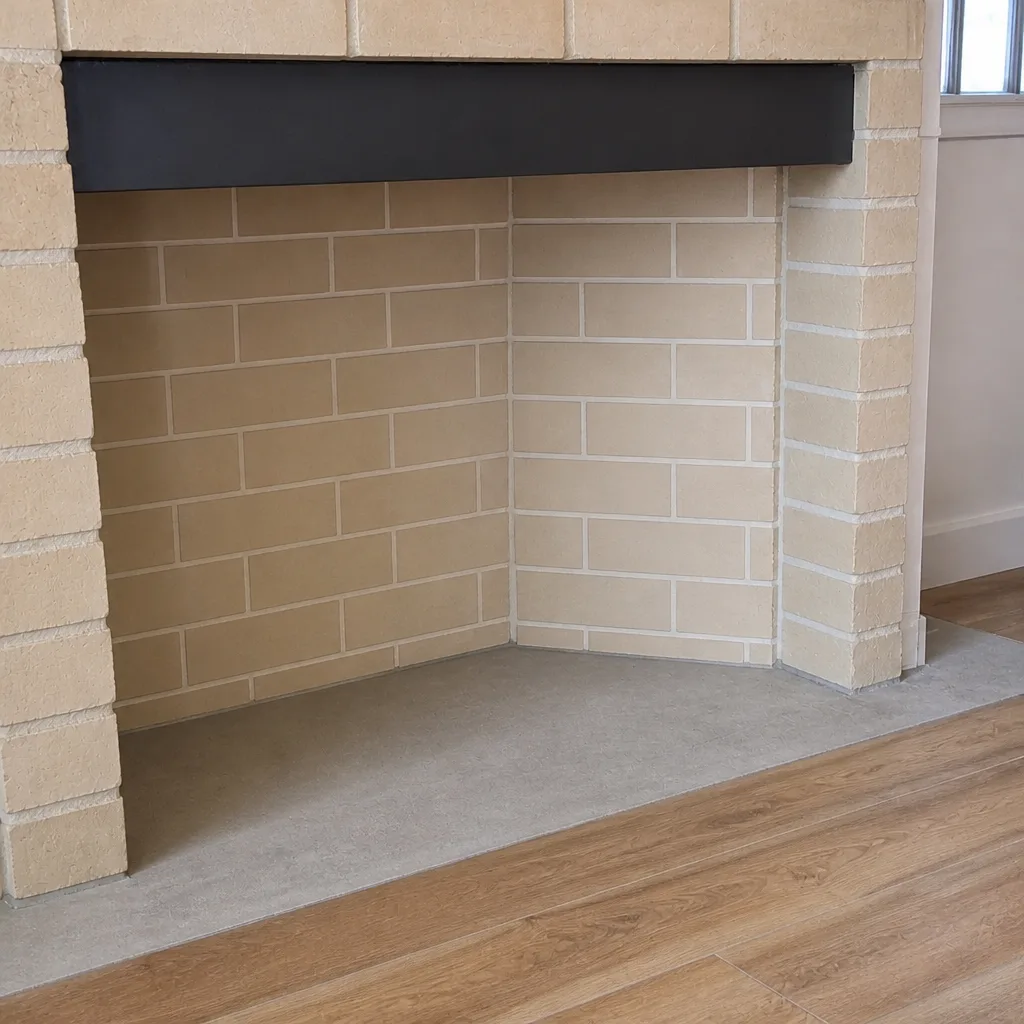
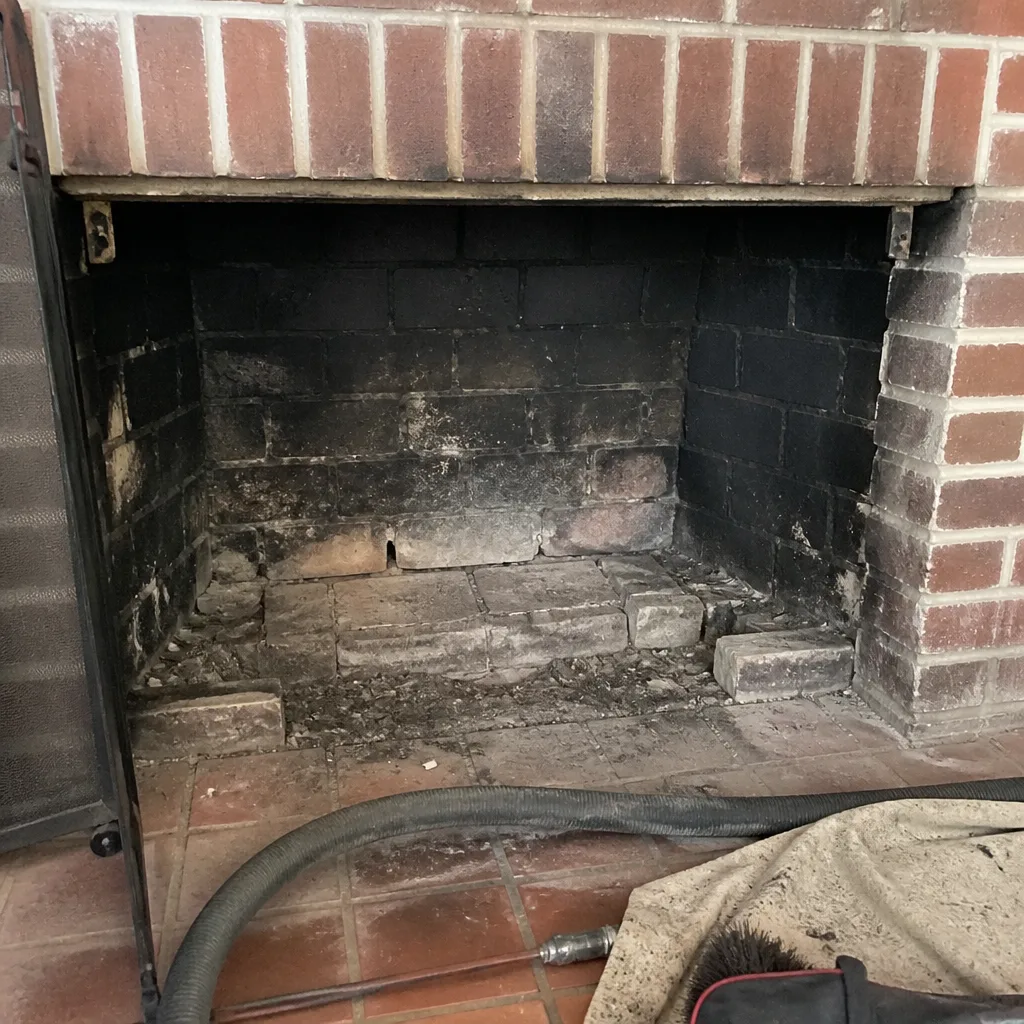
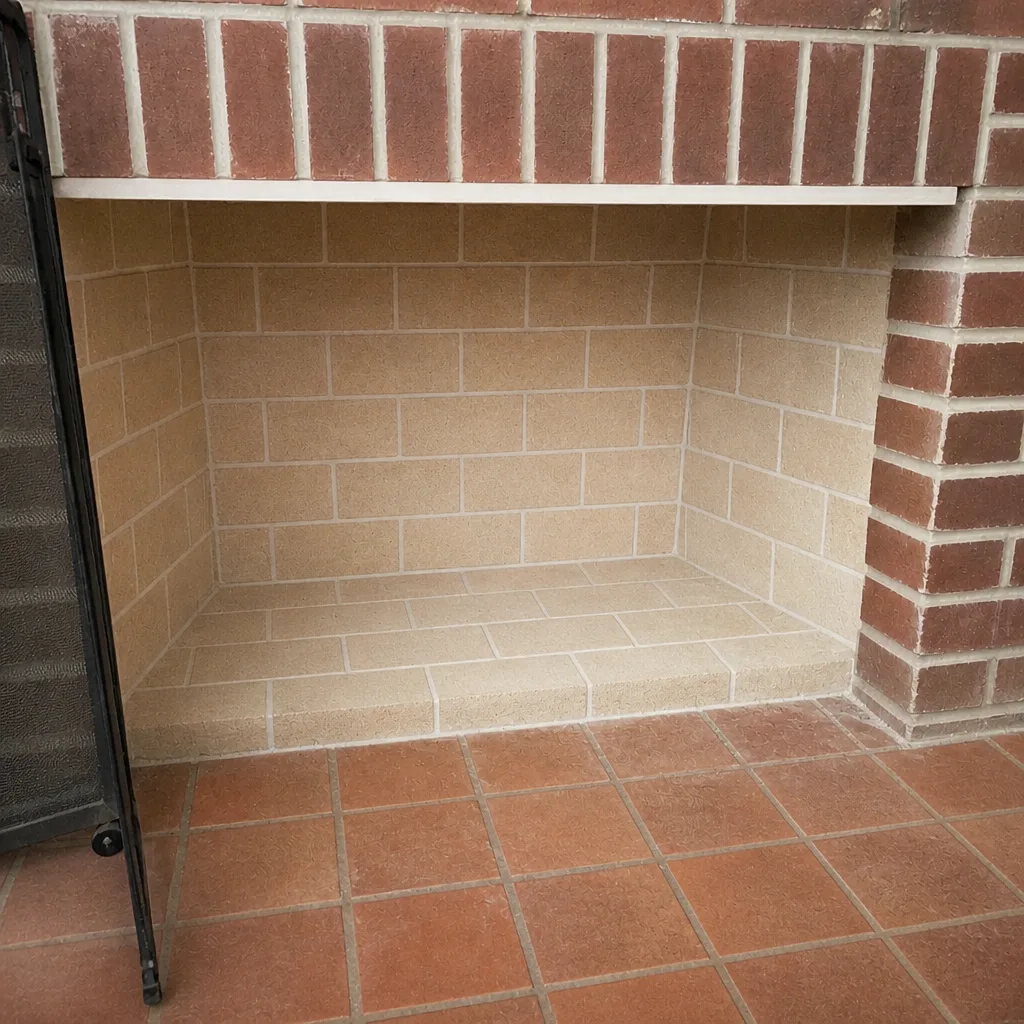
- HeatShield flue resurfacing: a mid-range repair that restores a deteriorating liner without full relining in qualifying cases.
- DuraFlex reline: the largest item, used where offsets, bends, or severe deterioration make a flexible liner the right call.
We won’t quote prices we can’t stand behind. The estimate is free, and the price gets set by the written estimate after the inspection. If you’ve been handed a vague repair estimate from another company and want a second opinion grounded in real materials, that’s a good reason to call. We can look at what the previous estimate covered, show you what the camera sees, and tell you honestly whether the repair is urgent or can safely wait.
Common Mistakes to Avoid
- Scheduling the sweep for October. In Goodyear, October is the pre-season confirm, not the post-season clean. Move the sweep to March and you’ll catch problems before the summer, not after.
- Skipping the post-monsoon cap check. Monsoon storms don’t just pass through; they can lift, bend, or dislodge a cap. Look at the top of the chimney in late September. A five-minute roof check saves the repair that waits until next year.
- Assuming 10 fires a season means no inspection needed. Low usage still deposits creosote and still leaves a flue that needs looking at once a year. The inspection isn’t about how much you burned; it’s about what the flue looks like.
- Treating an inspection and a sweep as the same service. An inspection diagnoses. A sweep cleans. They aren’t interchangeable, and a sweep-only service won’t catch a cracked flue tile. Budget for both on the annual schedule.
- Leaving the damper open through the summer. An open damper through monsoon months lets nesting material and debris into a warm flue. Have the seal checked and lubricated in October, before wildlife season gives way to fire season.
- Not writing anything down. A log turns a fresh inspection into a quick confirmation. Without one, every technician has to start from a blank page and spend time re-diagnosing what the chimney already told you last year.
- Acting on a vague repair estimate without a second look. Chimney work is expensive enough that a second opinion is worth having. Ask for the camera evidence behind any repair recommendation and compare.
See the difference
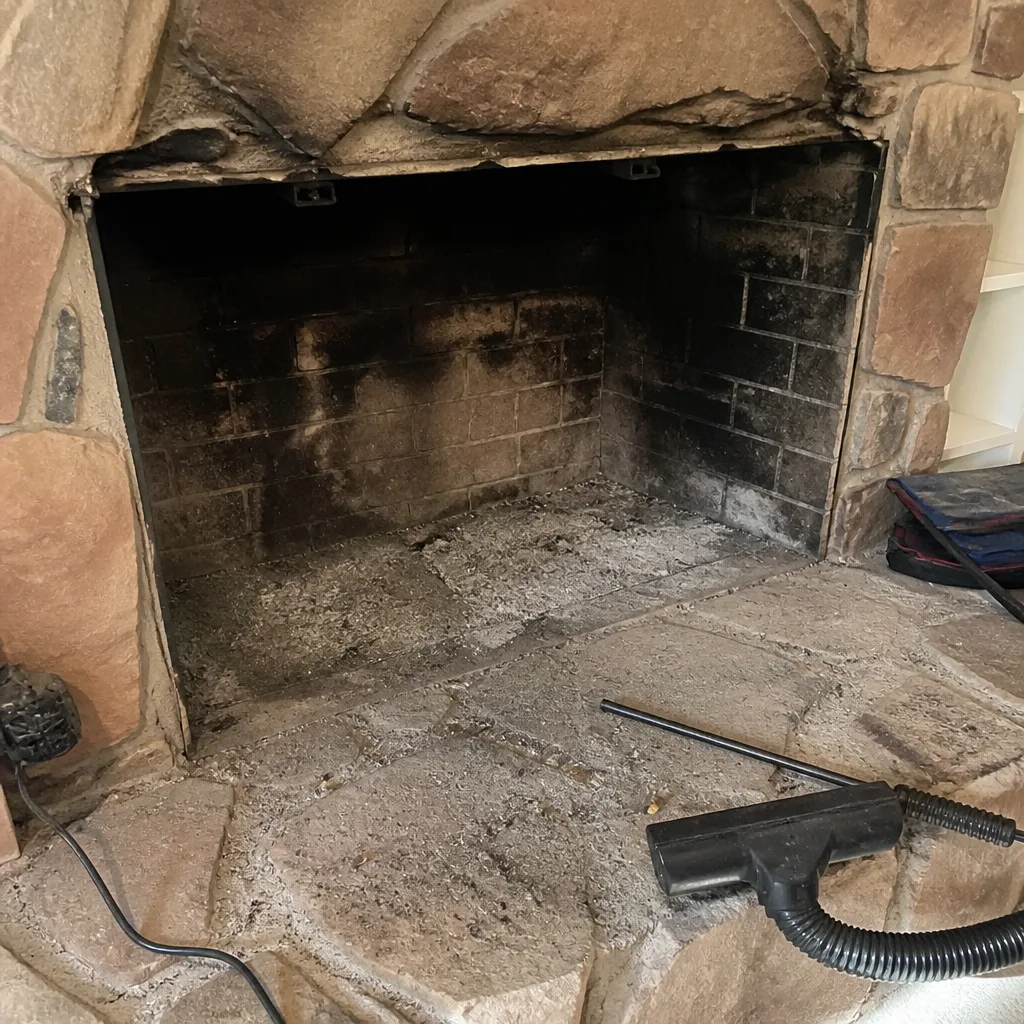 Before
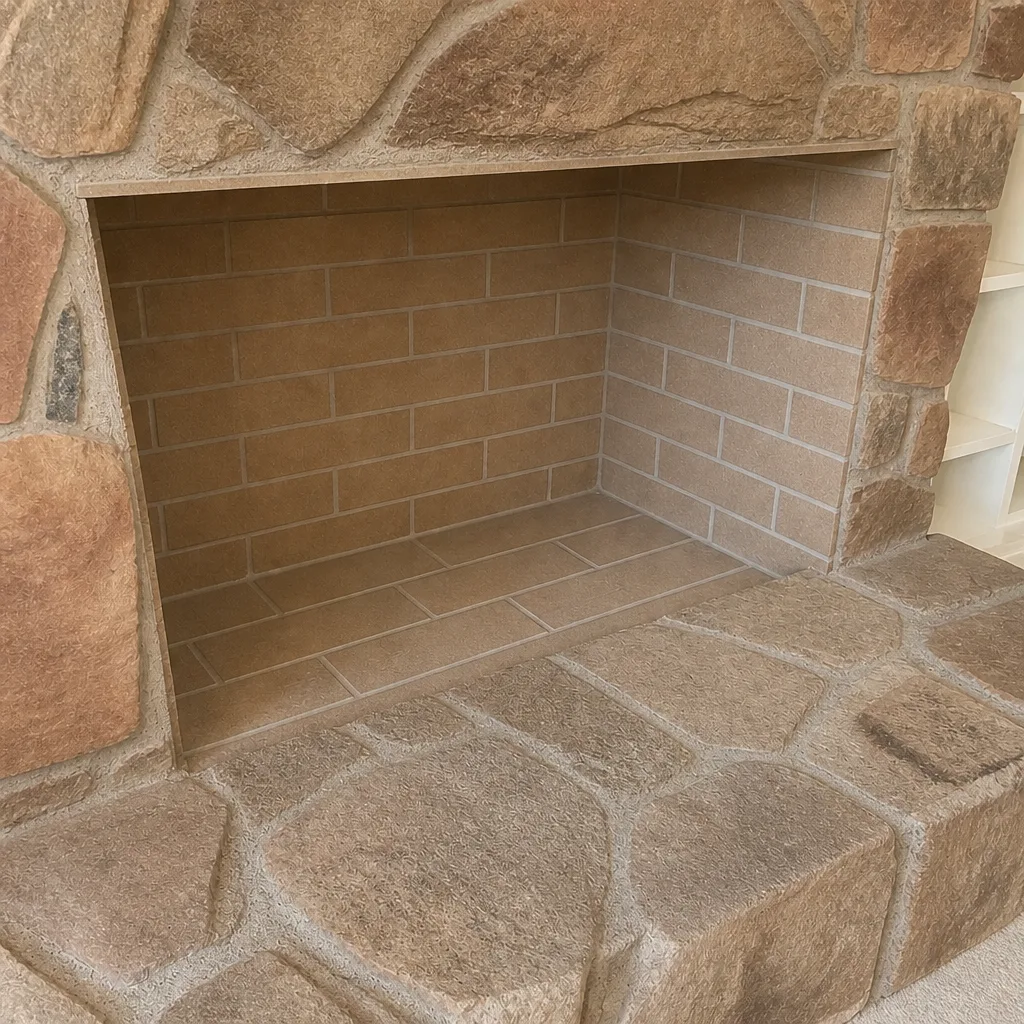 After
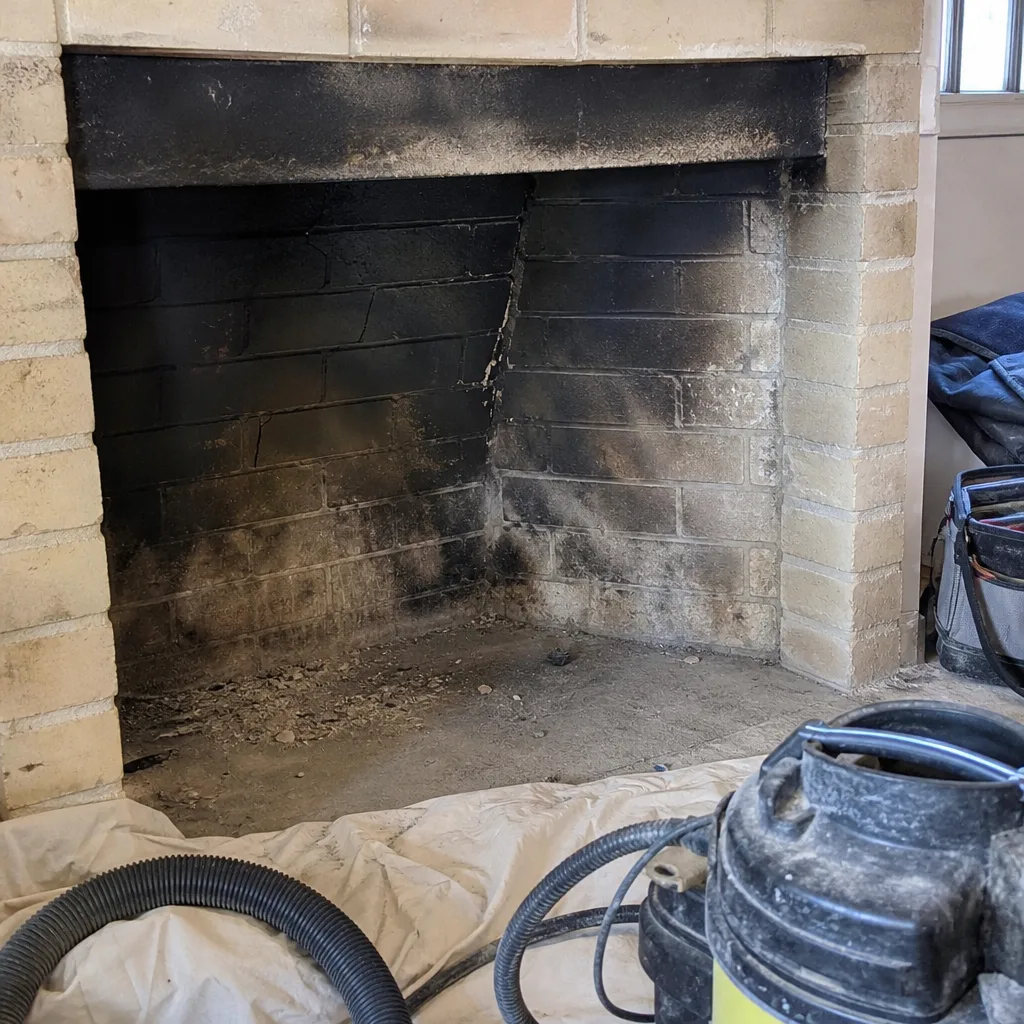 Before
 After
 Before
 After
When to Call a Professional
Some chimney problems announce themselves clearly, and those are the ones to act on right away. Call us if you see smoke spilling into the room when you light a fire, smell a strong drafty odor from the firebox on warm days, or notice that a chimney fire has occurred (a loud roar, a hot stovepipe, or pieces of creosote coming out the top). Call if you’ve moved into a Goodyear home and don’t know when the chimney was last inspected, if you’ve changed what you burn (such as switching from gas to wood), or if your last inspection recommended a repair you put off. Call if your cap has come loose after a monsoon, or if the crown shows more than hairline cracks. Goodyear Chimney Sweep offers free estimates in Goodyear. Call (866) 361-8426. We answer 24/7. Fast dispatch from 7am to 7pm, Sunday through Friday.
Frequently Asked Questions
Chimneys should be inspected once a year and swept when the inspection says it’s needed. For a household that burns 10 to 15 fires per season, that often means a sweep every year or every other year depending on what the inspection shows. The inspection is the annual event, always. The sweep is the outcome, sometimes. Call (866) 361-8426 for an exact booking.
The best time is right after your last fire of the season, typically in March. That timing captures the full burn season’s effect on the flue and gives you the whole off-season to complete any repair. Booking in October, when most people remember to do it, means you’ve been looking at the chimney’s condition for seven or eight months without knowing. Call (866) 361-8426 to schedule.
You need an inspection every year whether you burn a lot or a little. That inspection tells you whether the flue has deposits thick enough to sweep. A light burner often accumulates sticky creosote in the upper flue rather than a heavy even layer, which still warrants a professional look. Call (866) 361-8426 for an inspection.
Get a cap and crown inspection after the last storm, usually late September or early October. That check catches wind damage, loose flashing, and hairline crown cracks before they become structural. It’s the single most important desert-specific maintenance step. Call (866) 361-8426 for a post-monsoon check.
Skipping maintenance lets small issues become expensive ones quietly. A cracked crown lets water into the masonry. A blocked cap lets debris into the flue. Nesting material or creosote that builds in the flue becomes a hazard you find out about when you light a fire. Nothing is recommended without camera evidence, so a single inspection often shows you what years of skipping has done. Call (866) 361-8426 for an honest assessment.
Chimney maintenance costs are set per job by the written estimate, and they range from a modest routine inspection or sweep up to larger repair items like HeatShield resurfacing or a DuraFlex reline. The estimate is free, so the fastest way to know your number is to book an inspection. Call (866) 361-8426 for an exact quote. Estimates are free.
The Bottom Line
The Goodyear chimney schedule flips the conventional advice: sweep in March, check cap and crown after monsoon, service the damper in October, then light the first fire in November. A once-a-year inspection stays the baseline. Where you can’t make that inspection in March, book it as early after your last fire as possible. Keep a simple log so the next inspection confirms what your chimney has already told you. Fix what the inspection shows. Leave the rest alone honestly. Our technicians have up to 8 years of experience, and we work with trade-grade brands because the material behind a repair matters more than the invoice behind it. A clean chimney is the starting point. A structurally sound one is the goal. Ready to book? Call (866) 361-8426. We answer 24/7. Fast dispatch from 7am to 7pm, Sunday through Friday.
Written by the team at Goodyear Chimney Sweep.