
Last updated November 15, 2026
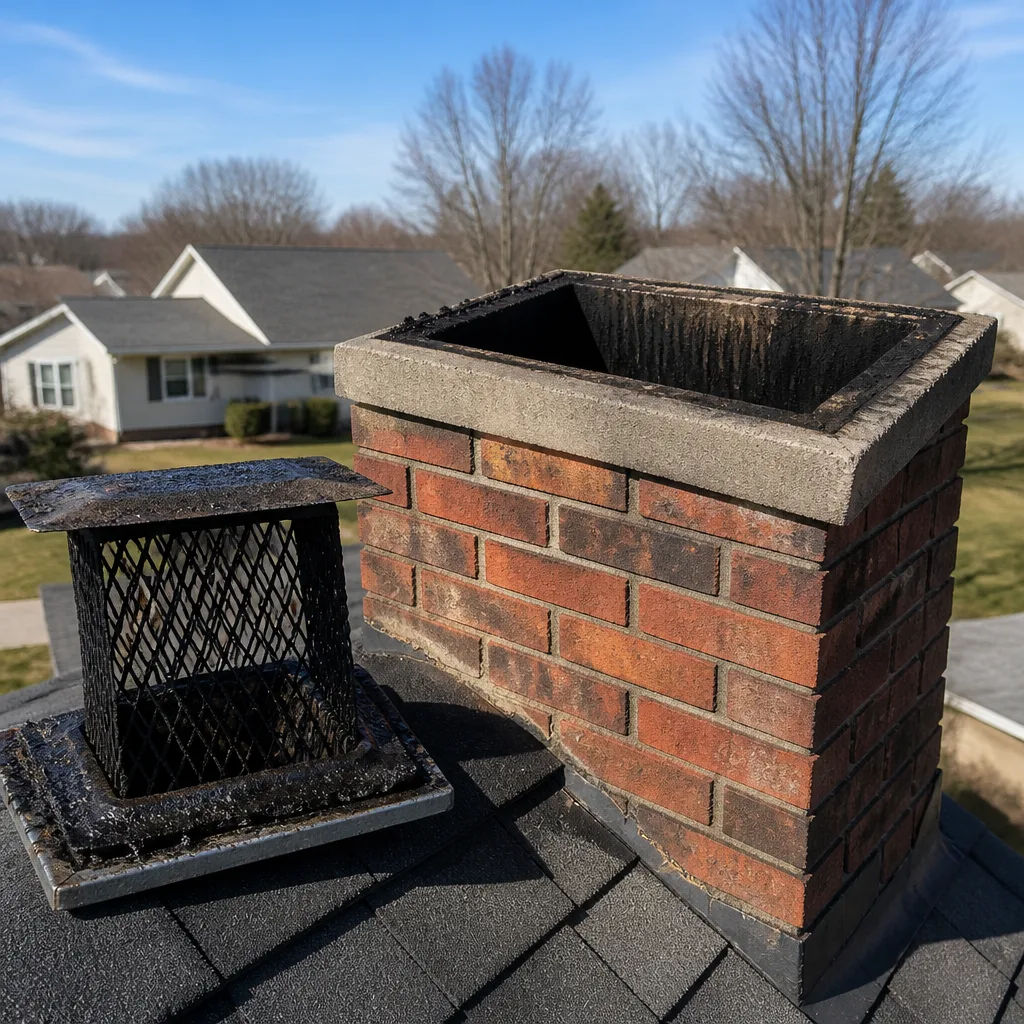 Sweep & inspection
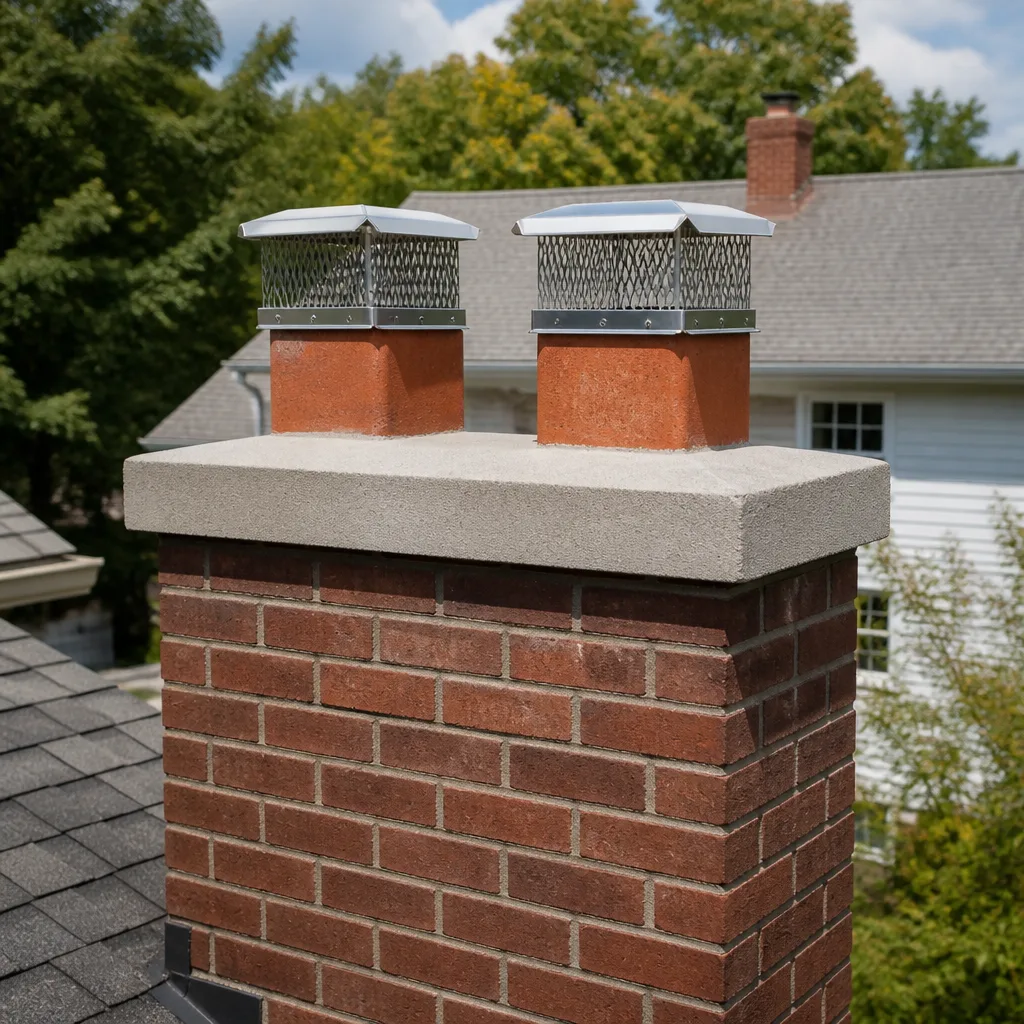 Caps & crowns
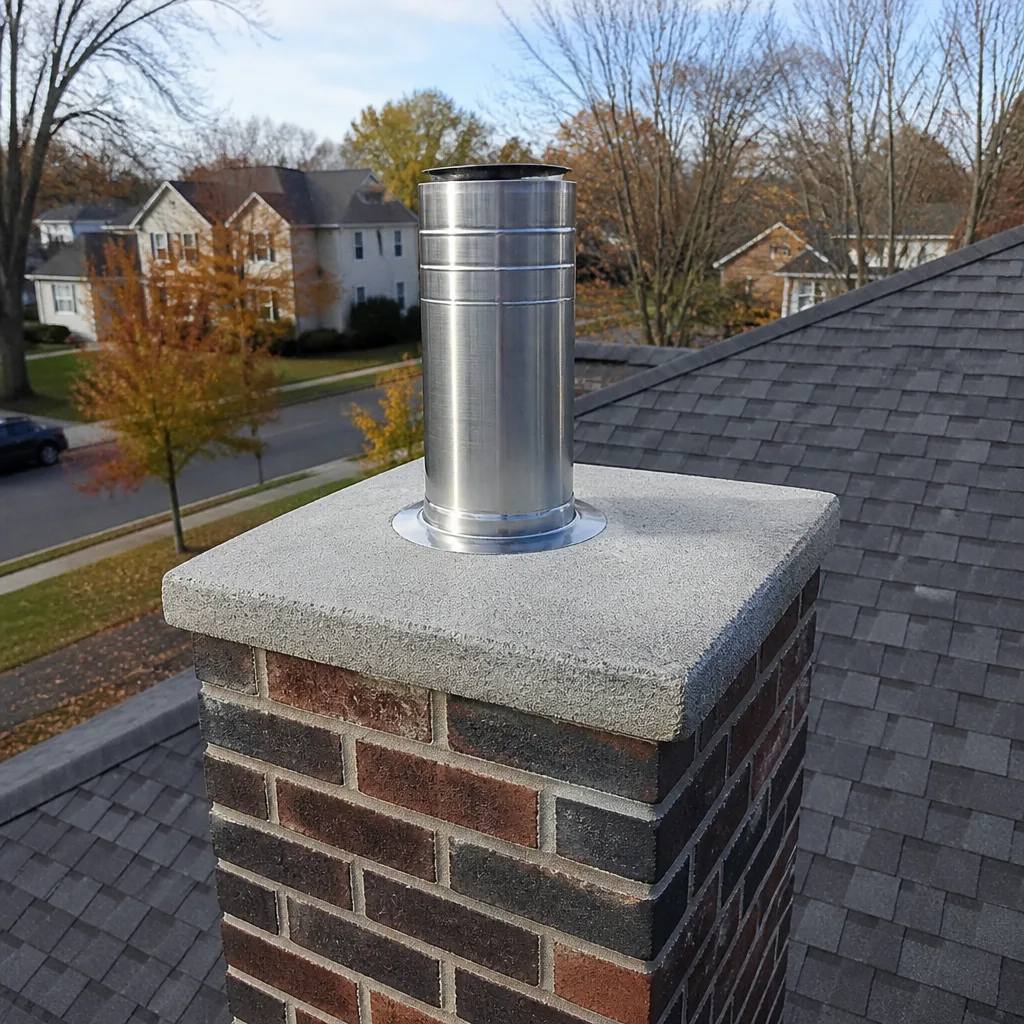 Flue relining
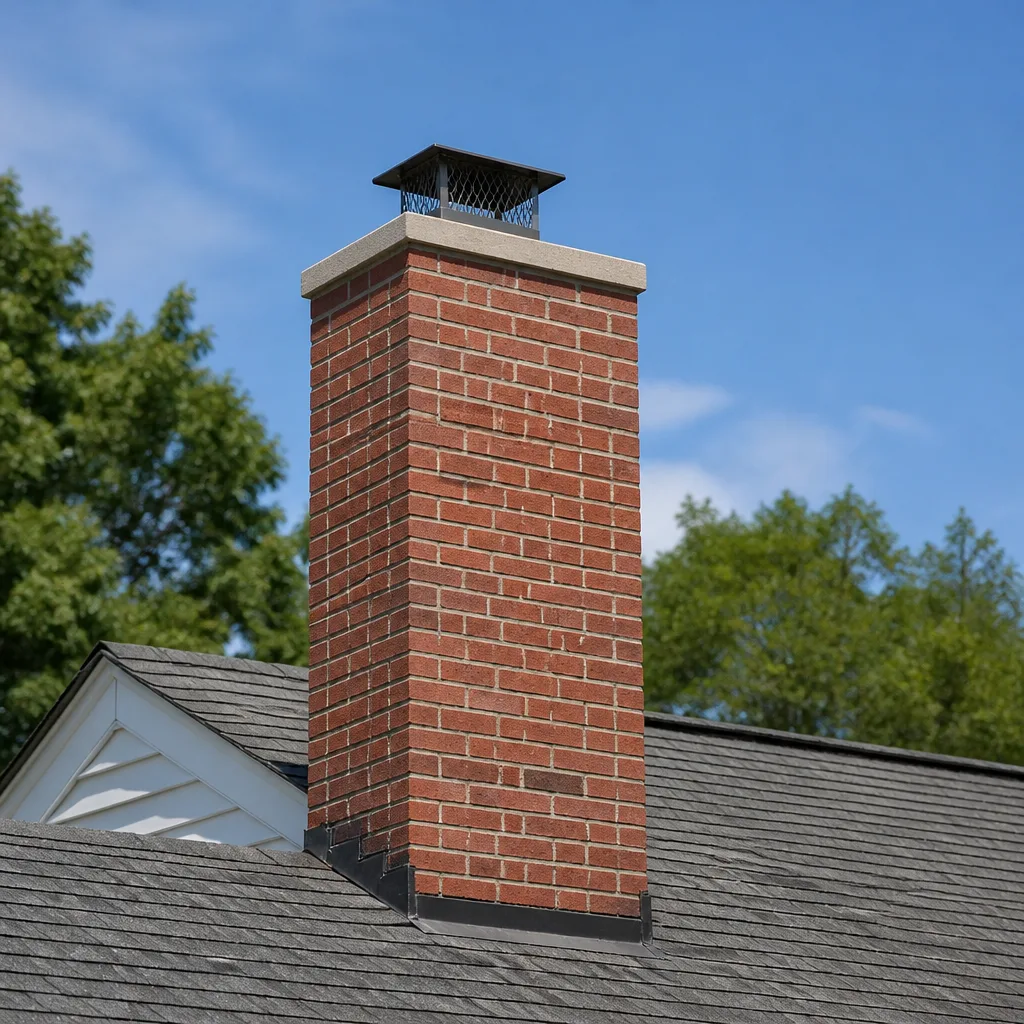 Masonry repair
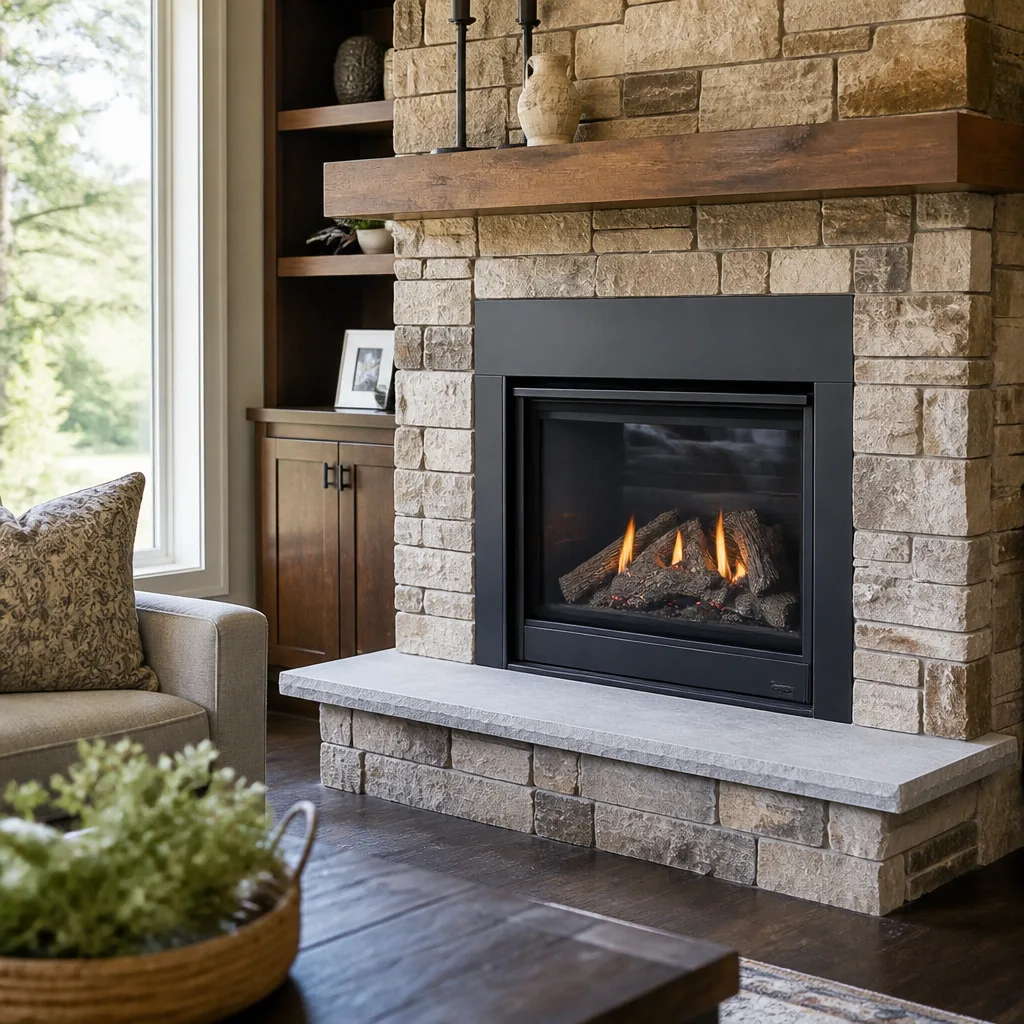 Gas fireplace service
Level 1 sweep and inspection to the NFPA 211 annual standard - flue, crown, cap, and flashing checked and photographed
Chimney sweep logs do not sweep chimneys. They loosen some creosote - which then falls where a brush and vacuum still have to collect it.
Chimney Sweep Troubleshooting in Goodyear: Common Problems and How to Fix Them
A smoky firebox in Arizona is almost never the same problem as a smoky firebox in Ohio, yet most online troubleshooting guides treat them identically. That sends Goodyear homeowners down the wrong diagnostic path, chasing draft problems that are actually structural, or sealing a leak that isn’t a leak at all. Desert chimneys fail in their own pattern. Extreme thermal swings, monsoon moisture that arrives sideways, and long stretches of low use all leave signatures you can read if you know what to look for. This guide teaches you to read those signatures accurately: which symptoms point to creosote, which point to a cracked liner, which point to water, and when a problem is safe to watch versus when it needs a Level 2 inspection before anyone touches it.
Quick Answer
Most chimney problems in Goodyear trace to three things: thermal cycling that cracks liners and mortar, monsoon moisture intrusion that shows up as staining and rust, and low-use creosote staging that glazes differently than in cold climates. A symptom like smoke rolling into the room can mean poor draft, a blocked flue, or a cracked liner, and only an inspection tells you which. If you see white staining, spalling brick, or a rusted damper, call for an inspection before using the fireplace again.
Styles & brands we work with
- Sweep & inspection
- Caps & crowns
- Flue relining
- Masonry repair
- Gas fireplace service
Table of Contents
- Why Goodyear’s Temperature Swings Crack Liners and Look Like Draft Problems
- Monsoon Moisture Vs. Condensation: How to Tell Them Apart
- Why Low-Use Fireplaces Still Build Creosote
- Symptom to Root Cause: A Troubleshooting Map
- What You Can Check Yourself and What Needs a Pro
- When a Level 2 NFPA 211 Inspection Is Required
- Repair Categories: What Each Fix Actually Involves
- Frequently Asked Questions
Why Goodyear’s Temperature Swings Crack Liners and Look Like Draft Problems
Goodyear sits in a desert basin where summer afternoons push well past 100 degrees and winter nights dip toward freezing. That daily swing is hard on masonry. Brick, mortar, and clay tile expand and contract at different rates, and over enough seasons the bond between them loosens. The result is a hairline crack in a flue tile that behaves exactly like a draft problem: smoke that won’t rise cleanly, a fire that struggles to catch, soot staining near the damper.
Here’s the trap. A homeowner notices weak draft, assumes the flue is dirty, and books a sweep. The sweep cleans the flue, the draft improves for a week, and then the symptom returns. The real issue was never creosote. It was a crack that let air into the flue above the fire, disrupting the pressure balance that makes a chimney draw.
This is why diagnosis has to come before cleaning in a climate like ours. When we run an inspection in Goodyear, we’re looking for three specific thermal-cycling signatures:
- Hairline cracks in flue tiles that open and close with temperature, often invisible from the firebox and only caught on camera.
- Mortar joint separation where the crown meets the flue, a common weak point after repeated expansion and contraction.
- Spalling on the exterior stack, where brick faces flake off because moisture has worked in behind them.
Any of these can masquerade as a draft complaint. A flexible liner system like DuraFlex is built for exactly this kind of aged masonry configuration, because it can follow the bends and offsets in an older flue that a rigid liner can’t. The fix for a cracked liner isn’t a sweep. It’s relining, and it starts with confirming the crack on camera before anything is quoted.
Monsoon Moisture Vs. Condensation: How to Tell Them Apart
Water is the quiet destroyer of desert chimneys, and it arrives two ways. Monsoon storms drive rain almost horizontally into the top of the stack, and year-round condensation forms inside the flue when temperature differences cause moisture in combustion gases to condense on cooler surfaces. Both leave stains. They leave them in different places, and that difference tells you what repair category you’re in.
Monsoon intrusion usually shows up high and outside. Look for:
- Water staining on the exterior of the stack, especially on the side facing prevailing storm direction.
- Rust or mineral streaks running down from the crown.
- Dampness in the firebox after a storm, with no fire having been burned.
- A missing or damaged cap, which is the single most common entry point.
Condensation shows up lower and inside. Look for:
- White chalky staining, called efflorescence, on the firebox walls or the exterior brick beneath the roofline.
- Rust on the damper or the firebox grate that appears without any storm.
- A musty smell in the firebox during humid weeks.
- Staining that worsens in winter, when the temperature difference between flue gas and outside air is greatest.
The timing matters as much as the location. If a stain appears or darkens after a monsoon storm, you’re looking at intrusion and the fix is usually exterior: cap, crown, flashing. If it develops steadily through the cool months, you’re looking at condensation, and the answer is often a liner that insulates the flue properly. A quality cap from a trade supplier like Copperfield or Famco solves a surprising share of intrusion complaints, which is why we specify cap and damper hardware by brand rather than grabbing whatever’s on a shelf.
Why Low-Use Fireplaces Still Build Creosote
The conventional wisdom says creosote builds in heavy-use fireplaces and light-use ones are fine. In Goodyear, that logic fails. A fireplace used a handful of times each winter can still accumulate meaningful stage-1 creosote, and the reason is in how the fire burns, not how often.
Creosote forms when wood burns incompletely and the unburned gases condense on a cool flue surface. A fire that’s lit occasionally, burned with damp wood, or run at low output produces more of those gases per hour than a hot, well-established fire. And because our winters are mild, the flue is often cool when the fire starts. That’s a recipe for condensation, and condensation is how creosote glazes onto the flue wall.
Stage-1 creosote is the fluffy, flaky kind. It’s the easiest to remove and the most forgiving. It becomes a problem when it’s left long enough to harden into stage 2 (a crusty, tar-like layer) or stage 3 (a glazed, hardened shell that requires professional removal). The progression is slow, but it doesn’t reverse on its own, and a flue that sat through several mild winters without a sweep can be further along than the homeowner expects.
For most Goodyear homes, an annual chimney sweep keeps creosote at stage 1 and catches the transition early. If you’ve skipped a couple of seasons, don’t assume the fireplace is fine just because you haven’t burned much wood. A camera inspection tells you exactly what’s on the flue wall, and it costs nothing to know.
Symptom to Root Cause: A Troubleshooting Map
Here’s the practical part. Each symptom below points to a root cause and a repair category, and knowing the category before you call keeps you from being sold the wrong fix.
- Smoke rolling into the room when you light a fire. Root cause: negative pressure, a blocked flue, or a liner crack. Category: inspection first, then cleaning or relining depending on findings.
- White efflorescence on the firebox or brick. Root cause: moisture migrating through masonry, usually condensation or a crown leak. Category: water intrusion repair, possibly liner resurfacing.
- Spalling brick on the exterior stack. Root cause: water absorbed into brick freezing and flaking the face, or mortar failure. Category: masonry repair and crown work.
- Rusted damper. Root cause: condensation or monsoon intrusion reaching the damper assembly. Category: damper replacement plus the water source fixed.
- A smoky smell in the house on warm days. Root cause: pressure reversal pushing flue air back into the home, often with creosote present. Category: cleaning plus a draft assessment.
- Weak draft that improves after a sweep then returns. Root cause: a cracked flue tile that a sweep won’t fix. Category: relining.
- Soot streaks above the firebox opening. Root cause: poor draft pulling smoke against the face. Category: draft diagnosis plus cleaning.
We’ve seen each of these misdiagnosed as something simpler, and the pattern is always the same: the symptom gets treated, the cause doesn’t. White staining is particularly telling. It’s the one symptom homeowners most often ignore because it looks cosmetic, and it’s the one that most reliably points to an active moisture problem inside the chimney structure.
What You Can Check Yourself and What Needs a Pro
Some chimney troubleshooting is safe for a homeowner. Most of it isn’t, and it helps to know where the line falls.
Safe to check yourself:
- Whether the chimney cap is present, intact, and seated correctly. Use binoculars from the ground.
- Whether the damper opens and closes freely and seals when closed.
- Whether water stains appear after a storm versus during dry weeks.
- Whether the firebox has visible soot buildup or debris at the base.
- Whether the smell is worse on warm, still days (a pressure signal) versus after rain (a moisture signal).
Not safe to check yourself:
- Anything inside the flue, including looking up it with a mirror. Creosote and debris can fall, and a blocked flue can vent carbon monoxide into the home.
- Anything on the roof. Height work on a sloped roof is a genuine fall hazard, and a chimney inspection from a ladder isn’t the same as an inspection from the flue.
- Anything involving the damper assembly’s internals or the firebox’s refractory panels.
- Any decision to reline or resurface. That conclusion needs camera evidence and a Level 2 inspection, not a visual guess.
For the safety question, be specific. Carbon monoxide is odorless and a partially blocked flue can vent it into living space without a visible sign. If you have a CO alarm and it has ever sounded near the fireplace, stop using the fireplace and get an inspection before relighting. That’s not a sales pitch, it’s a hazard we don’t want you to sit on.
When a Level 2 NFPA 211 Inspection Is Required
NFPA 211 sets the standard for chimney inspection. A Level 1 is a basic visual check of accessible components, appropriate as an annual routine. A Level 2 is a more thorough evaluation that includes the flue’s interior via camera and covers concealed areas, and it’s the right call more often than homeowners realize.
Schedule a Level 2 inspection when:
- You’ve never had the chimney inspected, or you don’t know the last time it was. An HVAC or appliance change, a chimney fire, or a change of fuel type all qualify too.
- You’re noticing any of the symptoms above that point to a structural cause: white staining, spalling, a rusted damper, weak draft that persists after cleaning.
- You’ve moved into a different home and want a baseline before burning.
- You’re considering a reline or resurfacing, so the diagnosis is documented on camera before any work is quoted.
- A storm has caused visible damage to the cap, crown, or exterior masonry.
In our experience across Goodyear, the Level 2 inspection is where most misdiagnoses get corrected. A homeowner is told they need a full liner replacement, and the camera shows the flue is intact but the crown is the actual leak. Or they’re told the flue is fine, and the camera shows a cracked tile above the smoke chamber that no visual check could have reached. The camera is the difference between a guess and a diagnosis.
Resurfacing is worth calling out here. HeatShield is a proprietary liner restoration system that can repair a deteriorating flue liner in qualifying cases without a full reline, and it’s a specific option many chimney services don’t offer because they aren’t licensed to apply it. If your liner is deteriorating but not failing, resurfacing can be the right repair rather than a full replacement. Whether it applies in your case depends on what the camera shows.
Repair Categories: What Each Fix Actually Involves
Once the diagnosis is clear, chimney repair in Goodyear falls into a few categories. Knowing what each one involves helps you evaluate an estimate on the merits rather than on the price.
- Cleaning. Removes creosote, soot, and debris. It’s a maintenance service, not a repair, and it doesn’t fix structural issues.
- Resurfacing. Restores a deteriorated liner in qualifying cases. HeatShield is the system we use, and it’s a middle path between a healthy liner and a full replacement.
- Relining. Installs a new flue liner, either rigid or flexible. DuraFlex flexible liners handle bends, offsets, and older masonry configurations that a rigid liner can’t follow.
- Masonry and crown repair. Rebuilds or repoints brick, seals the crown, and fixes the water entry points that cause spalling.
- Cap, damper, and hardware. Replaces failed components. A quality cap from Famco or a damper assembly from Olympia Chimney solves intrusion and draft issues at a fraction of a reline’s scope.
The right repair is the one the diagnosis supports. If you’re being quoted a full reline and no one has shown you the camera footage, ask to see it. A real diagnosis is documented, and the photo report is yours to keep. You can read more about the repair scope on our chimney repair page, but the takeaway is this: no recommendation without evidence you can see for yourself.
Some repairs can wait safely. A small crown crack that isn’t letting water in, a cap that’s intact but missing a screen, a damper that sticks but seals, these are inspection items for the next visit. Others shouldn’t wait: active water intrusion, a cracked flue tile, a blocked flue, or any CO concern. We’ll tell you which category you’re in, and we’ll say it plainly when work can safely wait.
Common Mistakes to Avoid
- Assuming a weak draft means a dirty flue. In Goodyear’s climate, a crack in a flue tile produces the same symptom as creosote. The difference matters, because a sweep won’t fix a crack and the draft will return within weeks.
- Booking a sweep without an inspection. Cleaning before diagnosing can hide the problem the cleaning was supposed to solve. Get the inspection first, then the cleaning.
- Treating white staining as cosmetic. Efflorescence is evidence of moisture inside the chimney structure. Left alone, it progresses to spalling and masonry failure.
- Using the fireplace after a monsoon without checking the cap. A storm can dislodge a cap, and a displaced cap lets debris and water down the flue. Check from the ground before relighting.
- Skipping the sweep because you don’t burn much wood. Low use in a mild climate builds stage-1 creosote slowly, but it builds. A flue that sat several winters without a sweep can be further along than expected.
- Accepting a reline quote without camera evidence. A full reline is a significant repair. Any quote should come with a documented inspection and a photo report, not a verbal guess from the driveway.
- Confusing condensation with a roof leak. Condensation stains appear in cool months and on the interior; storm intrusion shows after rain and often on the exterior. The repair category is different for each.
See the difference
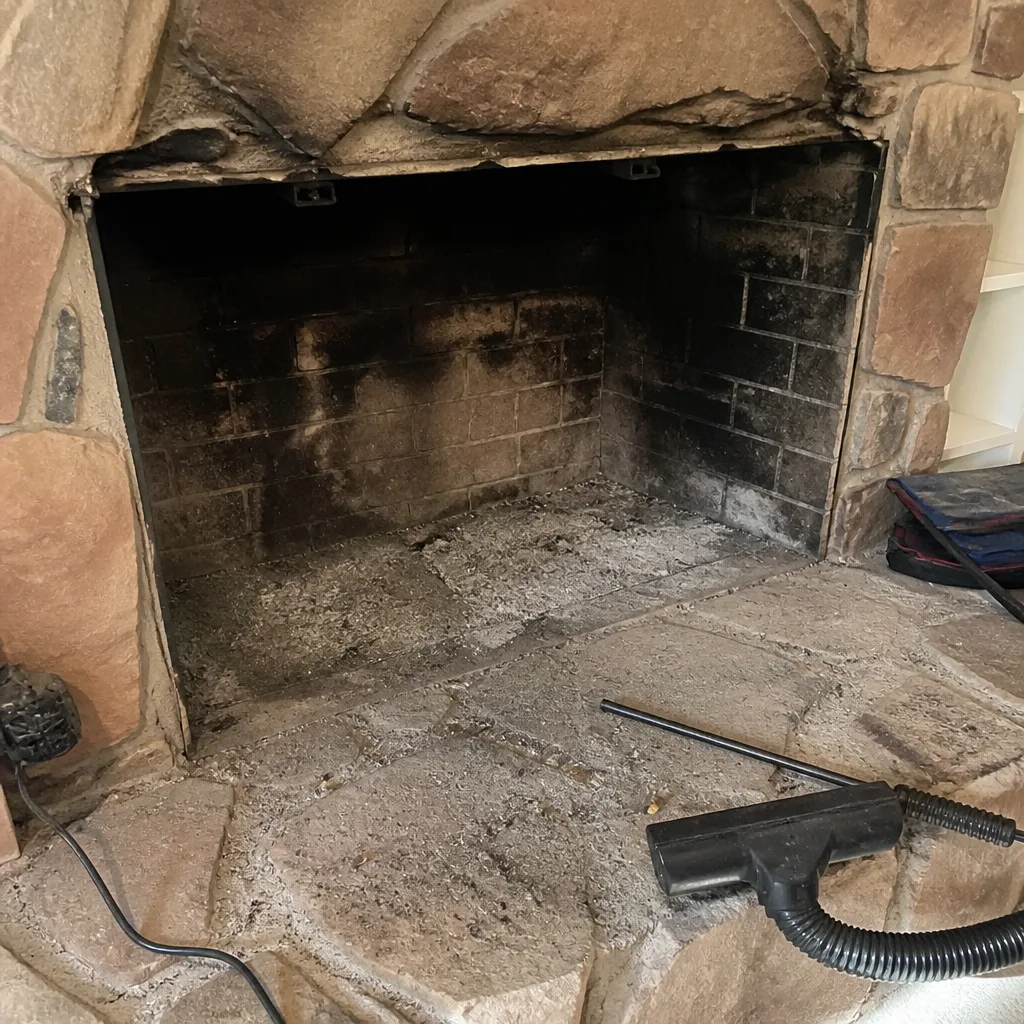 Before
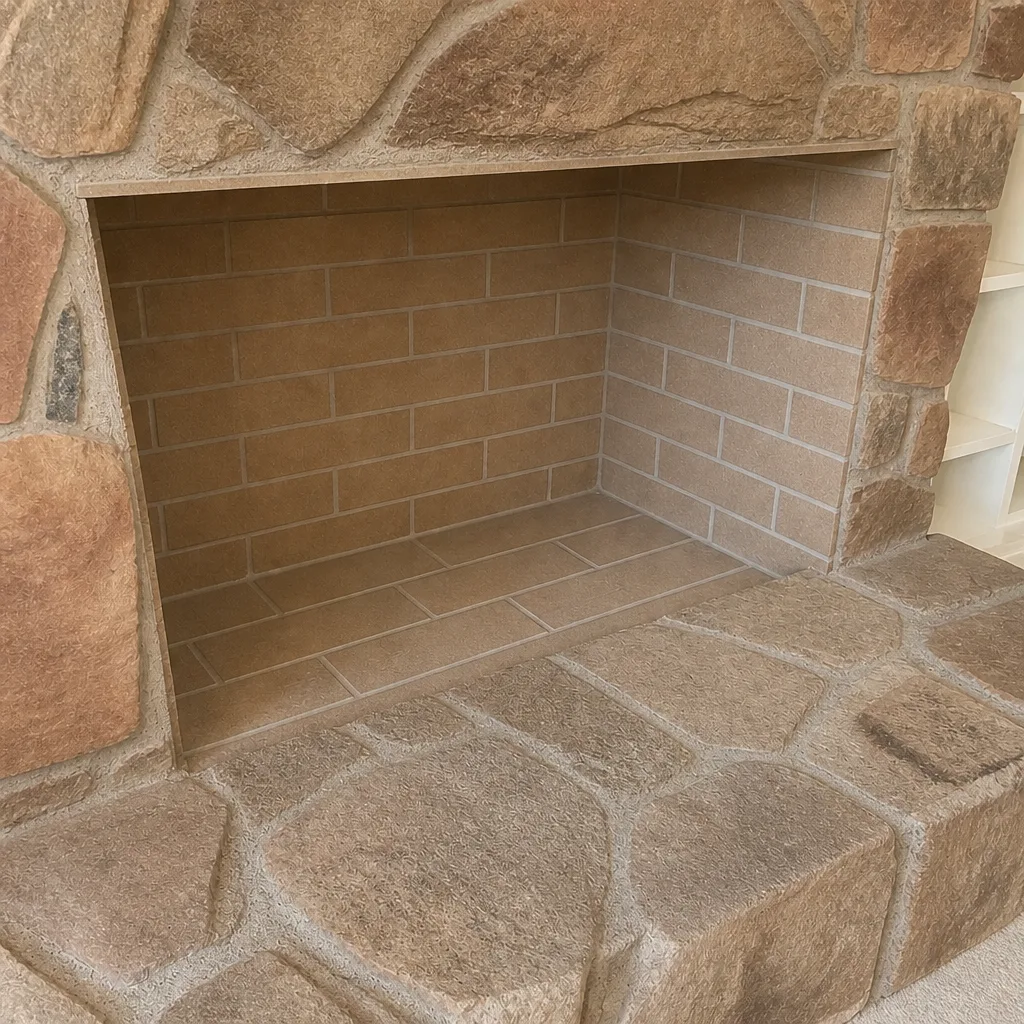 After
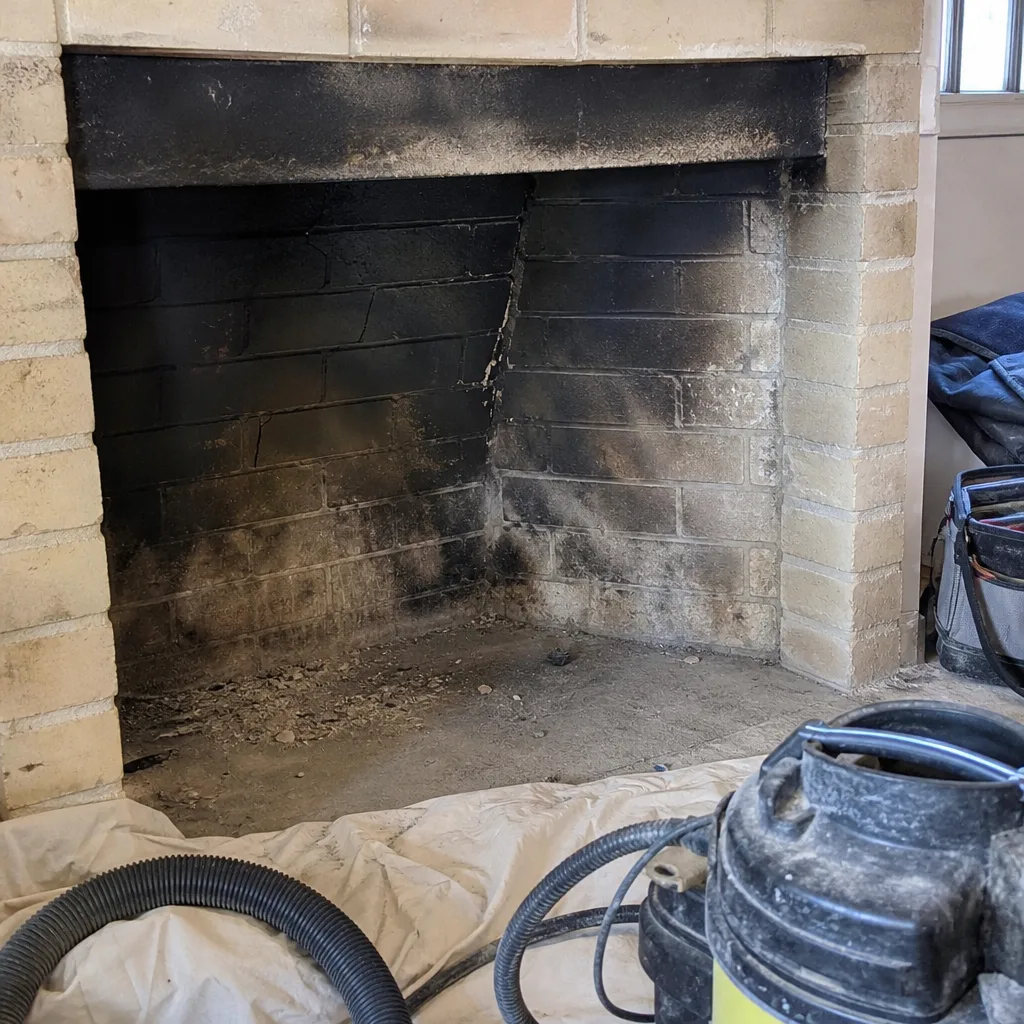 Before
 After
 Before
 After
When to Call a Professional
Call a professional when the symptom points to structure, not to soot. That means white efflorescence, spalling brick, a rusted damper, draft that won’t improve, a cap that’s damaged or missing, or any CO concern at all. Call before burning, not after. And call for a Level 2 inspection if you don’t know when the chimney was last inspected, if you’ve moved into a different home, or if another company has quoted work without showing you what the camera found. A sweep is maintenance you can schedule; a structural symptom is a diagnosis you shouldn’t delay.
Goodyear Chimney Sweep connects homeowners with independent local professionals for inspection, cleaning, and repair, and estimates are free. Call (866) 361-8426. We answer 24/7. Fast dispatch from 7am to 7pm, Sunday through Friday.
Frequently Asked Questions
Pricing is set per job by the written estimate, and the estimate is free. Because we inspect before we clean, the quote reflects what the flue actually needs rather than a flat guess. Call (866) 361-8426 for an exact quote.
Only if the inspection shows the liner has failed, and you should see the evidence before you agree to anything. In qualifying cases, HeatShield resurfacing can restore a deteriorating liner without a full replacement. If the liner is intact, you don’t need one. Call (866) 361-8426 and we’ll walk you through what the camera shows.
Once a year for most wood-burning fireplaces, and that holds true in Goodyear even with light use, because low-use fireplaces still stage creosote. If you’ve skipped several seasons, schedule an inspection first so any structural issue gets caught before the cleaning. Call (866) 361-8426 to set it up.
Creosote builds from stage 1 toward the harder stage 2 and 3, which are more difficult to remove, and a cracked liner or moisture intrusion goes unnoticed. Neither reverses on its own. Carbon monoxide venting into the home is the worst outcome, and a blocked or cracked flue can cause it without any visible sign. Call (866) 361-8426 if the chimney hasn’t been checked in a while.
That’s usually pressure reversal: warm outside air pushes flue air back into the house, especially when creosote is present. It’s more noticeable in Goodyear’s hot months and it’s a signal to get the flue cleaned and the draft assessed. Call (866) 361-8426 for an estimate.
Yes, if you don’t know the chimney’s history, if you’re buying or have moved into a different home, or if any structural symptom has appeared. A Level 1 visual check won’t reach a cracked tile above the smoke chamber; the camera will. Call (866) 361-8426 and we’ll tell you which level your situation calls for.
The Bottom Line
Chimney problems in Goodyear follow a pattern, and the pattern is readable. Thermal swings crack liners and imitate draft problems. Monsoon moisture leaves stains after storms, on the outside; condensation leaves them in cool months, on the inside. Low-use fireplaces still build stage-1 creosote, and the symptoms you can see (white staining, spalling brick, a rusted damper) each point to a specific repair category. The one rule that holds across all of them: diagnosis before work, camera evidence before a quote. A clean flue is the starting point; a structurally sound one is the goal. If a symptom is on this list, don’t relight until someone has looked inside.
If you’re ready to know what’s actually going on inside your chimney, call (866) 361-8426 for a free estimate. We answer 24/7. Fast dispatch from 7am to 7pm, Sunday through Friday. For a broader look at how we work in your city, start at Goodyear Chimney Sweep or visit our Goodyear page.
Written by the team at Goodyear Chimney Sweep.