
Last updated November 15, 2026
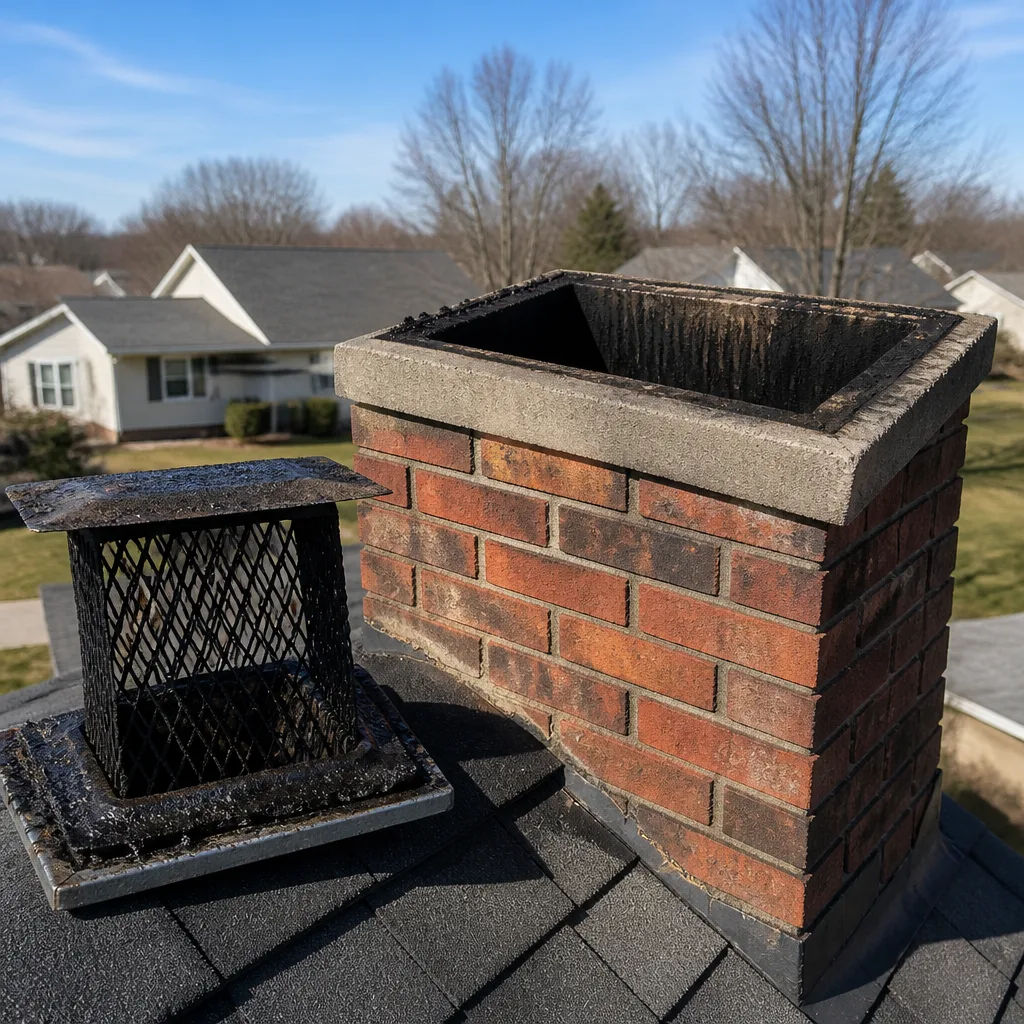 Sweep & inspection
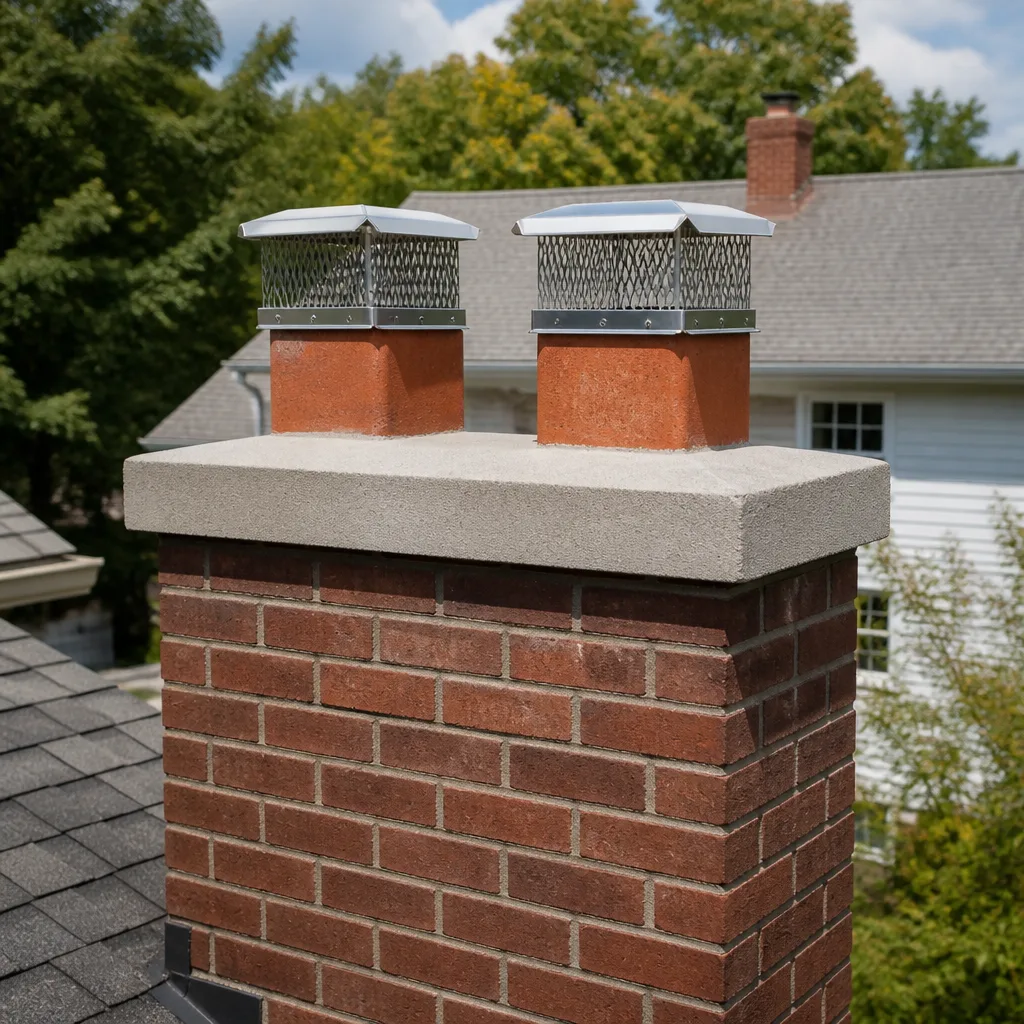 Caps & crowns
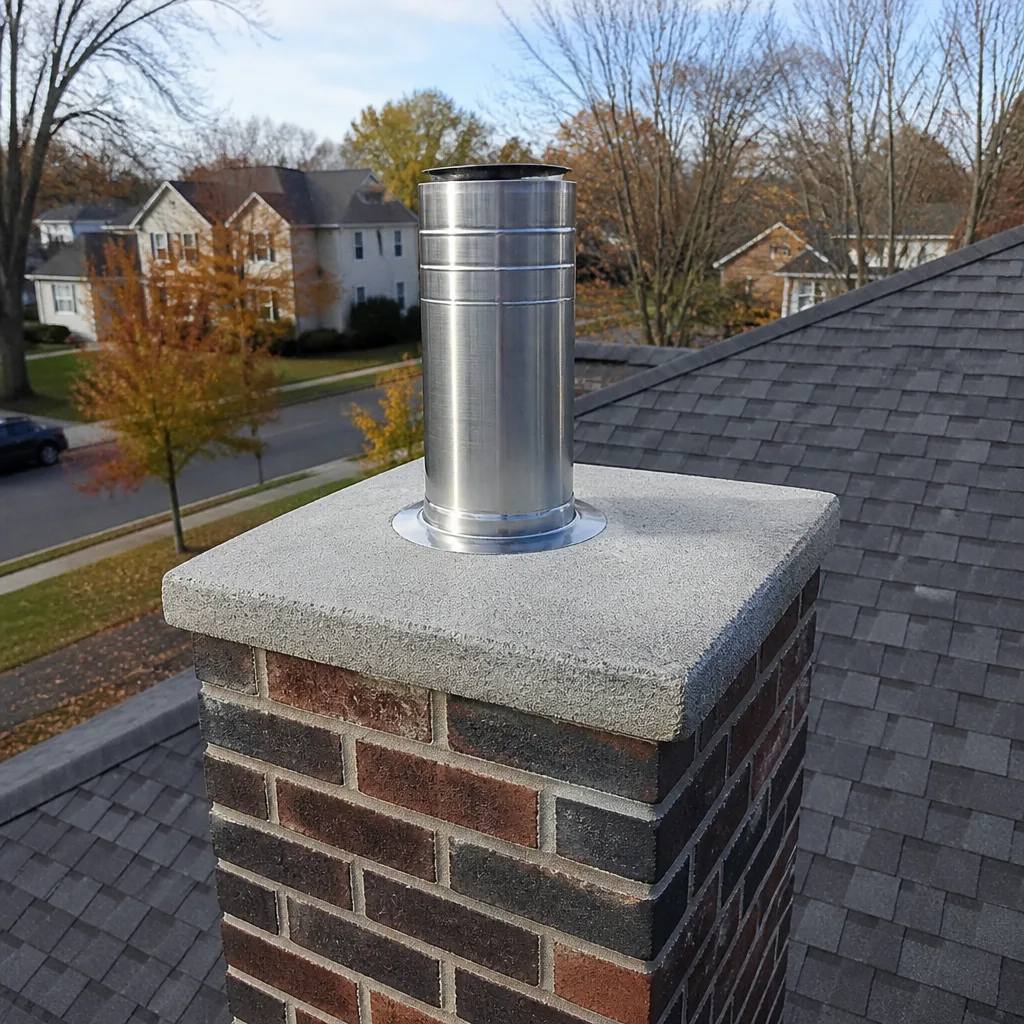 Flue relining
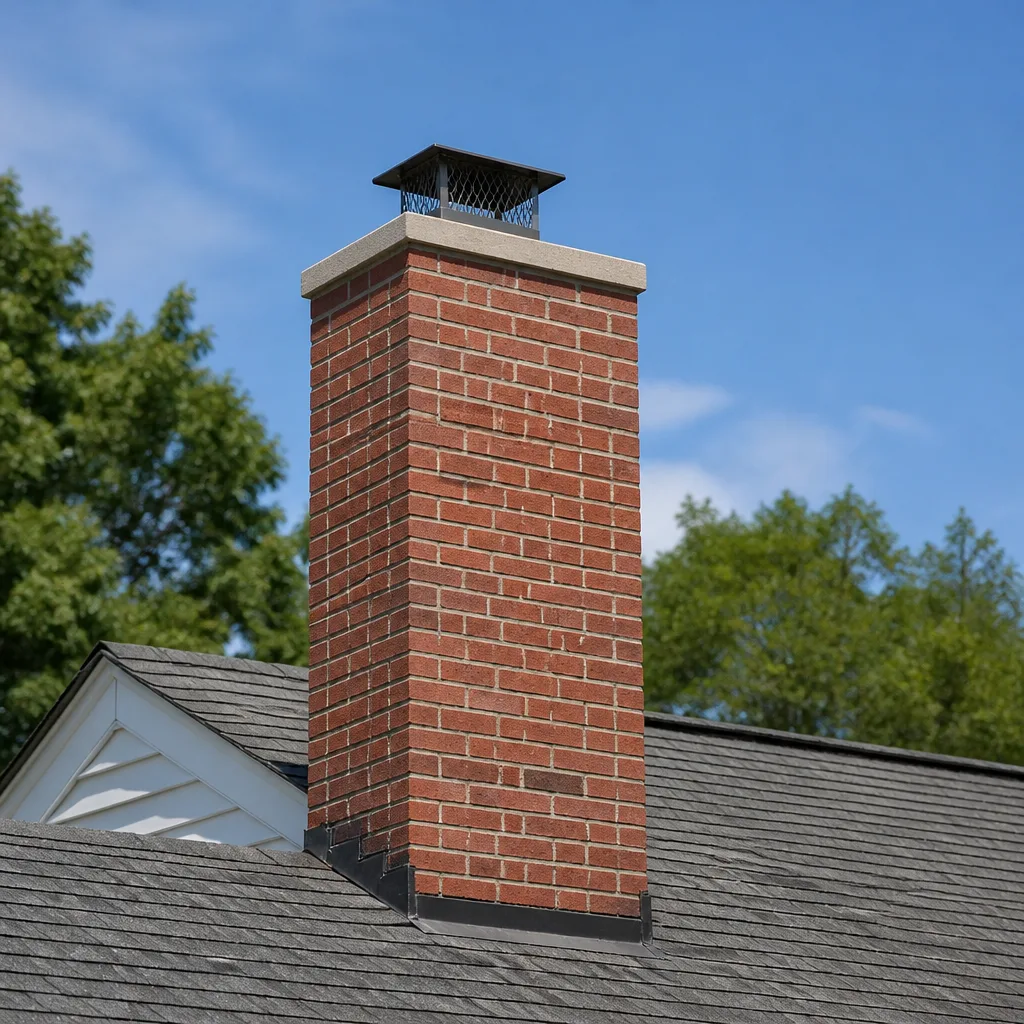 Masonry repair
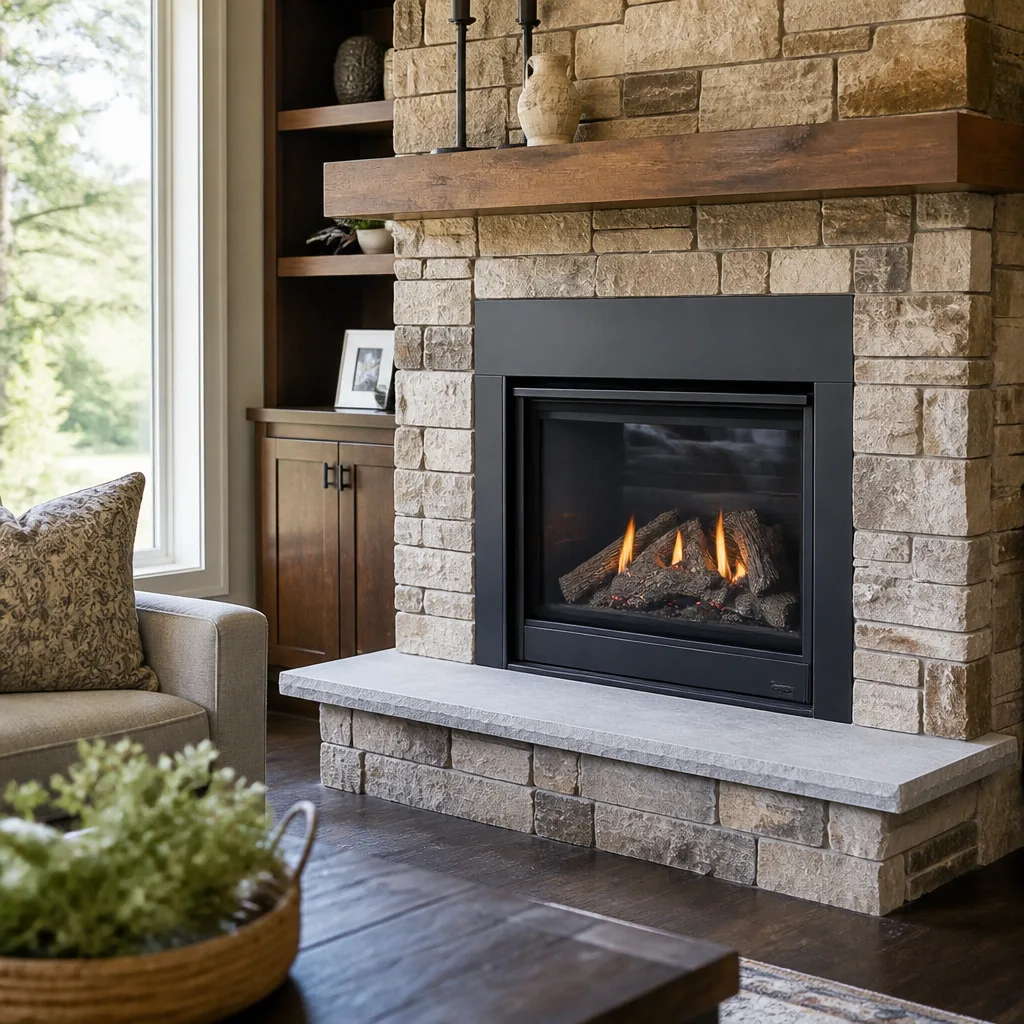 Gas fireplace service
Level 1 sweep and inspection to the NFPA 211 annual standard - flue, crown, cap, and flashing checked and photographed
Chimney sweep logs do not sweep chimneys. They loosen some creosote - which then falls where a brush and vacuum still have to collect it.
Choosing the Right Chimney Cleaning Brand: A Buyer’s Guide for Goodyear
Most chimney companies around Goodyear won’t tell you what products they use. Not because it’s a trade secret, but because the answer is usually “whatever the supply house had on the shelf.” The brush, the sealant, the resurfacing compound: these decide whether a job holds for two seasons or eight, and they’re almost never part of the conversation. They should be. What follows is a plain-English guide to the products and systems a chimney professional actually reaches for, how they differ, and the two questions you can ask any contractor in Goodyear to tell a specialist from a generalist in about thirty seconds.
Quick Answer
The right chimney cleaning “brand” isn’t a single company – it’s a set of professional-grade products: a rotary cleaning system like SootEater for full-flue contact, a chemical creosote treatment like Rutland when staging calls for it, a flexible crown sealant rated for Arizona sun, and HeatShield Cerfractory for smoke chamber resurfacing. Ask a Goodyear chimney contractor which rotary system they use and whether they stock HeatShield for smoke chamber work. A specialist answers specifically. A generalist changes the subject.
Styles & brands we work with
- Sweep & inspection
- Caps & crowns
- Flue relining
- Masonry repair
- Gas fireplace service
Table of Contents
- Why Chimney Cleaning Products Matter More Than You Think
- Rotary Cleaning Systems: SootEater vs. Flat-Rod Brushes
- Creosote Chemical Treatments: Rutland vs. ACS Spray
- Crown Sealants: ChimneySaver CrownCoat vs. Masonry Caulk
- Smoke Chamber Resurfacing: HeatShield Cerfractory vs. Generic Refractory Cement
- What to Ask a Goodyear Chimney Contractor
- Why Arizona Conditions Stress Materials Differently
- Common Mistakes to Avoid
Why Chimney Cleaning Products Matter More Than You Think
A chimney sweep is a service, but it’s delivered with tools and materials, and those tools and materials are what separate a deposit-and-go visit from a real diagnostic event. A flat-rod brush that misses the flue’s offset will leave creosote at the bend. A hardware store caulk on the crown will crack in a single Goodyear summer. A generic refractory cement in a smoke chamber may not hold under sustained heat. Each of those is a small decision that becomes a large problem in five years.
This isn’t a knock on any contractor trying to keep costs down. It’s a reality of the trade. The professional-grade brands cost more, and a company that buys them has to justify the price to the homeowner. That’s why so many don’t.
In our experience, the products a chimney company stocks tell you what kind of work they expect to do. A company that carries HeatShield flue sealant expects to resurface liners, not just sweep them. A company that stocks Gelco and Famco cap and damper parts expects to fix what’s broken, not just report it. That’s the level of readiness we’ve built Goodyear Chimney Sweep around, and it’s the standard you should hold every contractor to, whether you hire us or not.
A clean chimney is the starting point. A structurally sound one is the goal. In Goodyear, where wood-burning fireplaces are common in both new-build homes and properties that predate the latest code cycle, both matter.
Rotary Cleaning Systems: SootEater vs. Flat-Rod Brushes
This is the single most consequential difference in a chimney cleaning, and it’s the one almost no one asks about. A rotary system like SootEater spins a whip head inside the flue to contact the full interior diameter. A flat-rod brush contacts only the portion of the wall the bristle tips reach. In a straight, round flue, the difference is small. In the real chimneys around Goodyear, where offsets and rectangular flues are common, it’s the difference between cleaning the flue and cleaning the parts of it you can see.
How rotary cleaning works
- The technician drops a weighted whip head into the flue from the top (or feeds it up from the firebox, depending on the chimney).
- The head spins, flaring outward under centrifugal force to press against the interior walls.
- Creosote, soot, and glaze break loose across the full diameter, not just what a flat brush can touch.
- The technician collects the debris at the box and follows with a rod brush and visual inspection of the flue.
SootEater is the rotary system we specify most often because it handles rectangular flues and offset bends well. It’s not a cure-all, though. A fully glazed, third-degree creosote deposit may still need a chemical softener before any brush can remove it safely.
When a flat-rod brush is appropriate
Flat-rod brushes still have a place. On a straight, short flue with light deposit, a rod brush is adequate and less aggressive on older mortar joints. On new construction, it’s often all that’s needed. The mistake is using a flat brush as the default for every chimney.
How we apply it in Goodyear
Goodyear’s summer heat and dry air mean creosote from a winter of wood-burning tends to be brittle and flaky, which rotary systems lift quickly. But some homes in Goodyear have flues that haven’t been touched in years, and the creosote there is glazed and hard. Different tool, different approach. Our technicians have up to 8 years of experience and know which system the chimney in front of them calls for.
When rotary cleaning isn’t enough, the next step is a conversation about chimney sweep scope or a full assessment before any chimney repair is scheduled.
Creosote Chemical Treatments: Rutland vs. ACS Spray
Chemical creosote treatments are often misunderstood. They aren’t a substitute for cleaning, and they aren’t a magic wand you spray into a firebox. They’re prep tools, and they work in two distinct ways depending on what’s in your flue.
Rutland Liquid Creosote Remover
Rutland is a liquid treatment applied to the firebox and lower flue surfaces before or after a sweep. Its job is to loosen and condition creosote, particularly the harder glaze, so that a rotary or rod brush can actually remove it. It’s not a cure; it’s a conditioner. Used correctly, it makes the mechanical cleaning more complete. Used incorrectly – sprayed and forgotten with no follow-up sweep – it just sits in the flue.
Anti-creo-soot (ACS) spray
ACS is a catalyst-based spray that changes the chemistry of the creosote deposit over time, breaking the bond between the creosote and the flue wall so that it flakes off with the next burn cycle and can be removed at the following cleaning. It’s a longer-timeline tool, best suited to maintenance, not to a chimney with heavy glaze that needs attention now.
When each is appropriate
- Rutland: used as a prep step in the same visit as a sweep, when glaze is present but not fully hardened.
- ACS spray: used between sweeps for maintenance on a chimney that has a history of creosote buildup, or as a season-long tool for heavy burners.
- Neither: on a clean, sound flue with no deposit history. It’s a solution without a problem, and it’s time and money that doesn’t need to be spent.
We don’t sell a treatment without a reason. If a camera inspection shows deposit that a rotary sweep will remove cleanly, we sweep. If it shows glaze that needs softening, we use a treatment and tell you why. Never the other way around. In Goodyear, that distinction is worth understanding before you sign off on any treatment product.
Crown Sealants: ChimneySaver CrownCoat vs. Masonry Caulk
The chimney crown is a concrete cap that sits at the top of the masonry and sheds water away from the flue. In most of the country, a cracked crown is a nuisance. In Goodyear, where a single summer can push surface temperatures on exposed masonry well above ambient, a cracked crown is a running leak. The difference between a crown that lasts and one that doesn’t is almost entirely the product.
ChimneySaver CrownCoat
CrownCoat is a flexible, elastomeric crown sealant that bonds to concrete and masonry and moves with thermal expansion instead of cracking against it. That flexibility is the point. It bridges hairline cracks, resists UV degradation, and cures into a membrane that sheds water instead of absorbing it. Application follows a defined sequence: clean the crown, prime if required, apply in multiple coats, and allow full cure before the next rain event.
Standard masonry caulk
Standard masonry caulk is a rigid, non-moving sealant. It’s fine in a mild climate with little thermal swing. In Goodyear, it’s a two-to-three-year product at best. The sun hardens it, the temperature range cracks it, and the next monsoon finds the water.
Application method matters as much as the product
- Remove loose debris and old sealant from the crown and the crown-to-flue joint.
- Fill any cracks or voids deeper than a hairline with a compatible filler.
- Apply CrownCoat in the specified number of coats, respecting the recoat window.
- Allow full cure before exposing the crown to weather or further work.
Cure time for CrownCoat is measured in hours, not days, but it’s weather-dependent, and applying it in rising heat or on a wet crown is a mistake. In Goodyear, the right window is usually morning, before the crown surface gets too hot to work safely. If any part of your crown work involves the flue liner itself, that’s a different scope; read on before the repair is scheduled.
Smoke Chamber Resurfacing: HeatShield Cerfractory vs. Generic Refractory Cement
The smoke chamber is the sloped transition between the firebox and the flue. It’s where creosote tends to accumulate and where cracks tend to go unnoticed until an inspection catches them. The professional standard for resurfacing a deteriorating smoke chamber is HeatShield Cerfractory Flue Sealant. The generic alternative is refractory cement, and the two are not interchangeable.
What HeatShield Cerfractory does
HeatShield’s Cerfractory sealant is applied by trowel to the smoke chamber walls, building a smooth, heat-resistant, insulating layer that fills pits and cracks and corrects the chamber’s geometry for better draft and safer combustion. It’s a certified system, applied to specification, and the technician who applies it is trained to the process. It’s not available through general contractors, and that’s the point – the application matters as much as the product.
What generic refractory cement does
Refractory cement is a legitimate material. It’s used in fireboxes and high-heat masonry. But in a smoke chamber, it has to be applied precisely, cured carefully, and matched to the substrate, or it can spall or crack under repeated thermal cycling. On an older, pitted smoke chamber in Goodyear, generic refractory cement often fails faster than the homeowner was told to expect.
Why we stock HeatShield
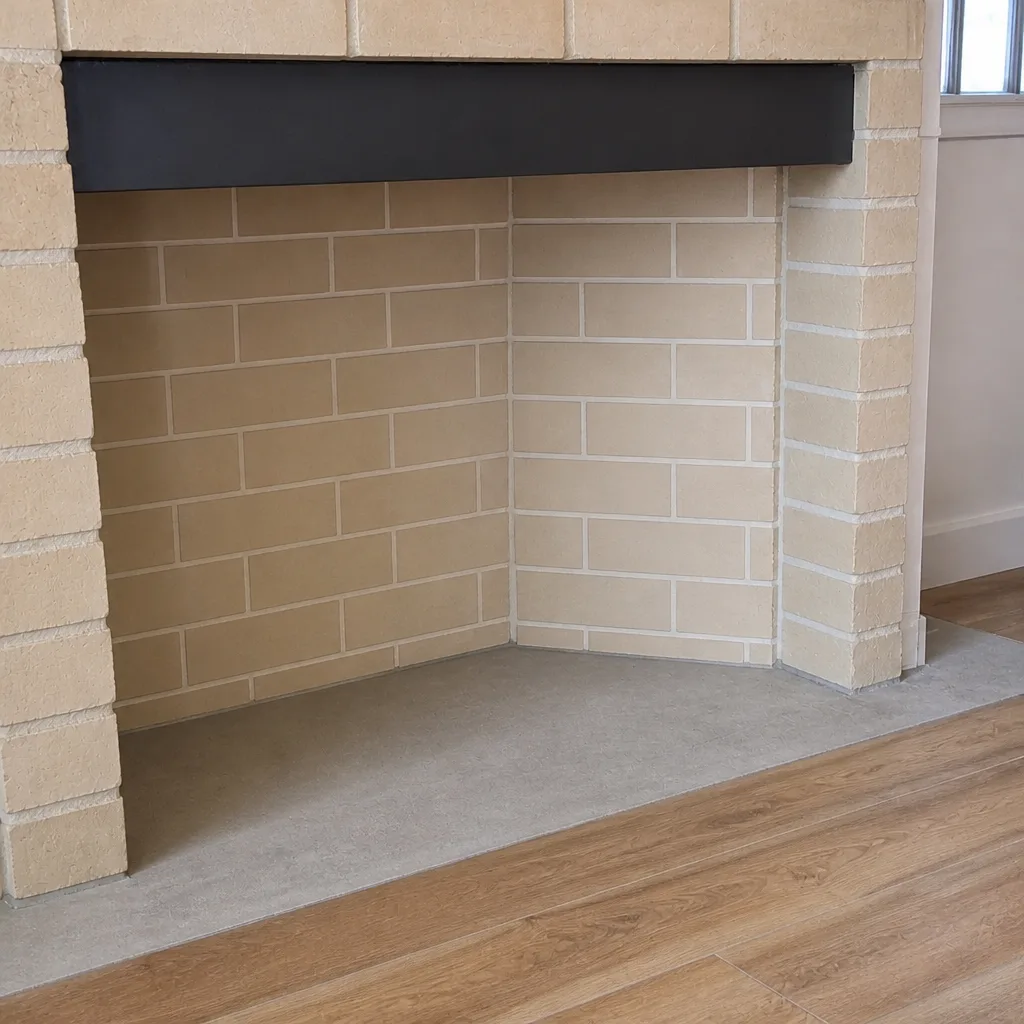
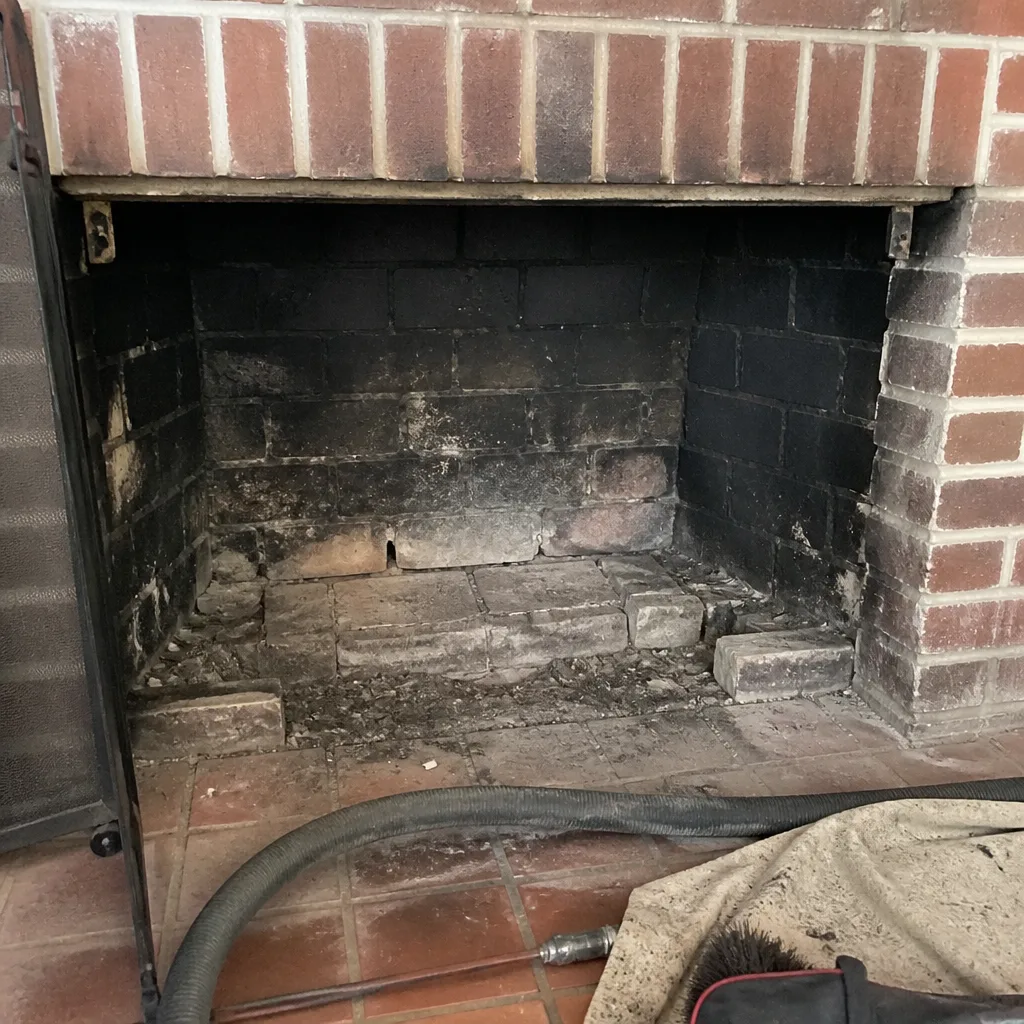
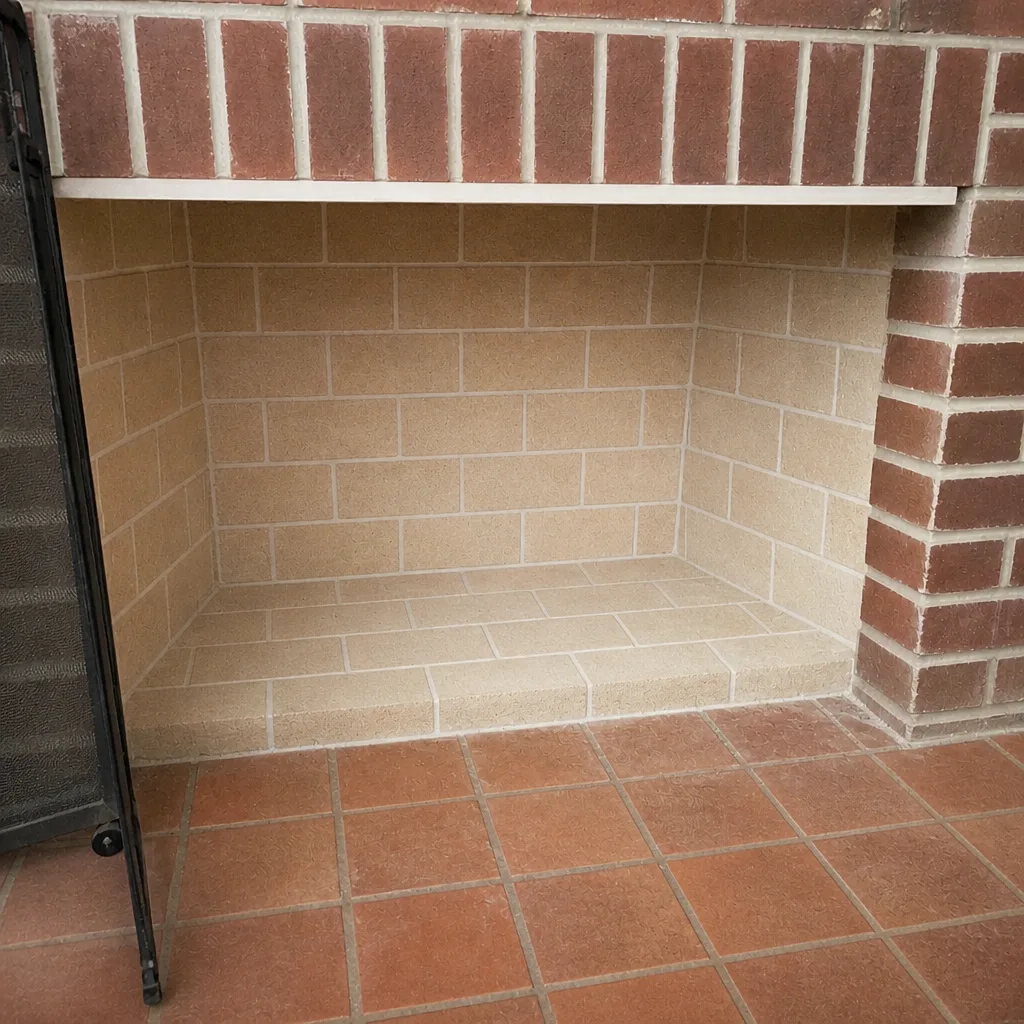
We specify materials by name because the brand behind the product matters. HeatShield is a proprietary, certified restoration system for both smoke chambers and flue liners. When the inspection shows a smoke chamber that needs resurfacing, we can quote specific – and often finish the job without a full reline. That’s the case in qualifying situations, and one of the reasons we built our Goodyear work around it. It’s a modern repair option many chimney services simply don’t offer.
For liners that are deteriorating but not failing, HeatShield resurfacing can restore the existing flue without a costly full reline. For a liner that’s structurally compromised, a flexible liner system – we use DuraFlex because it handles bends, offsets, and older masonry configurations that rigid systems cannot – is the correct repair. Different diagnosis, different product. Never the other way around.
See the difference
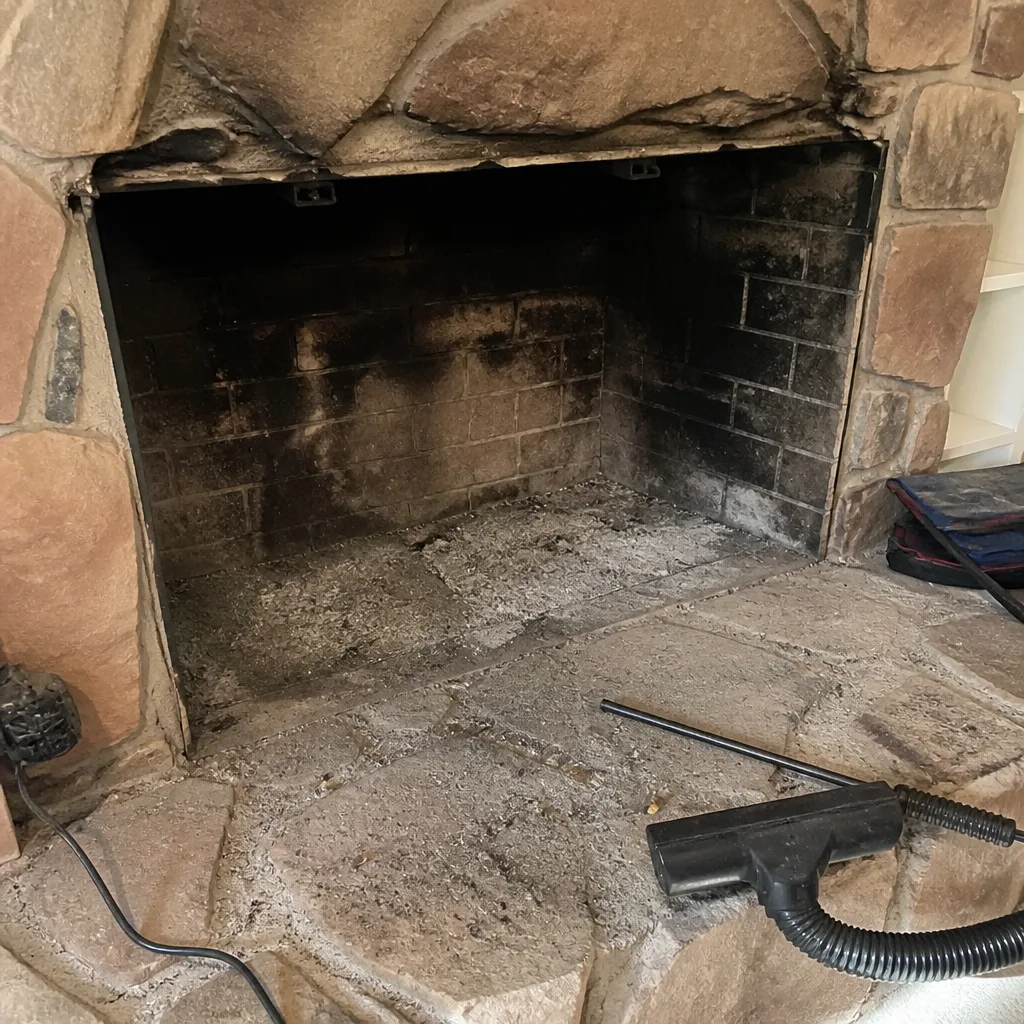 Before
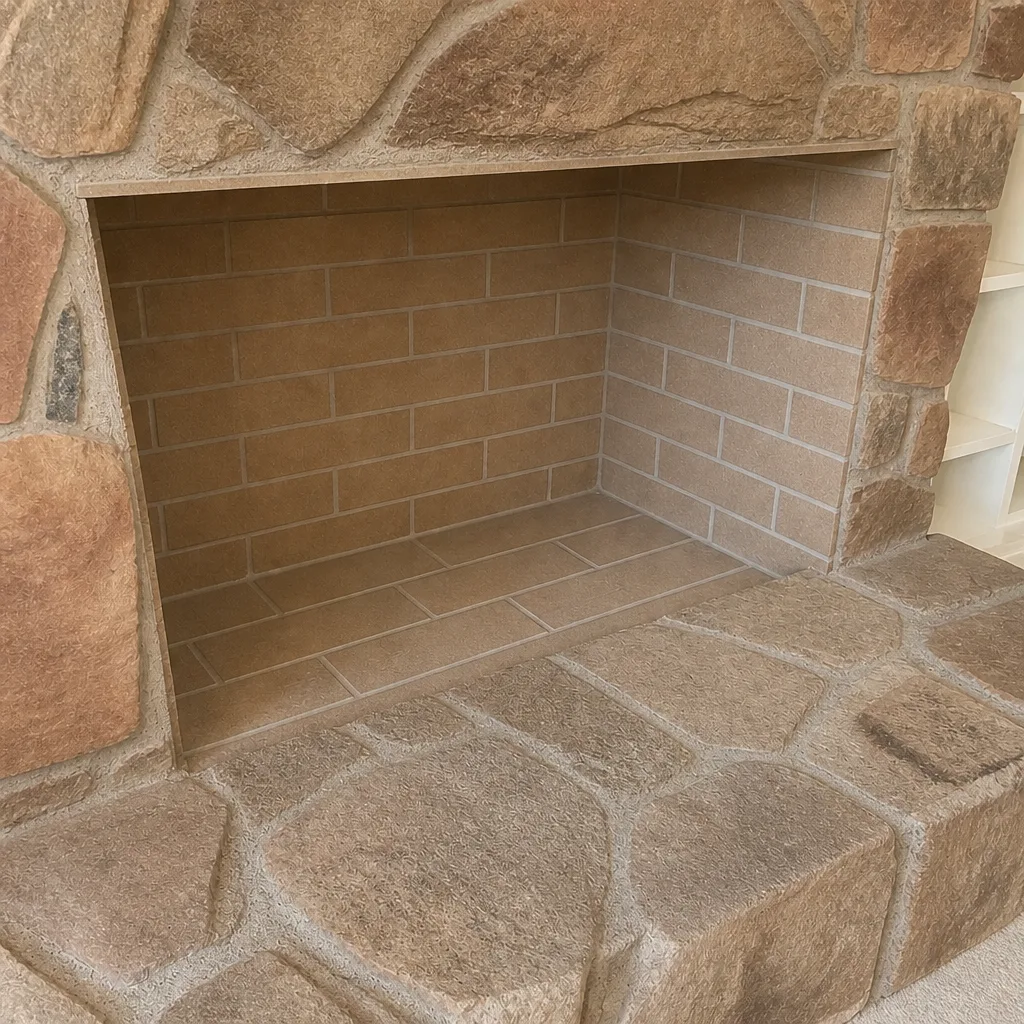 After
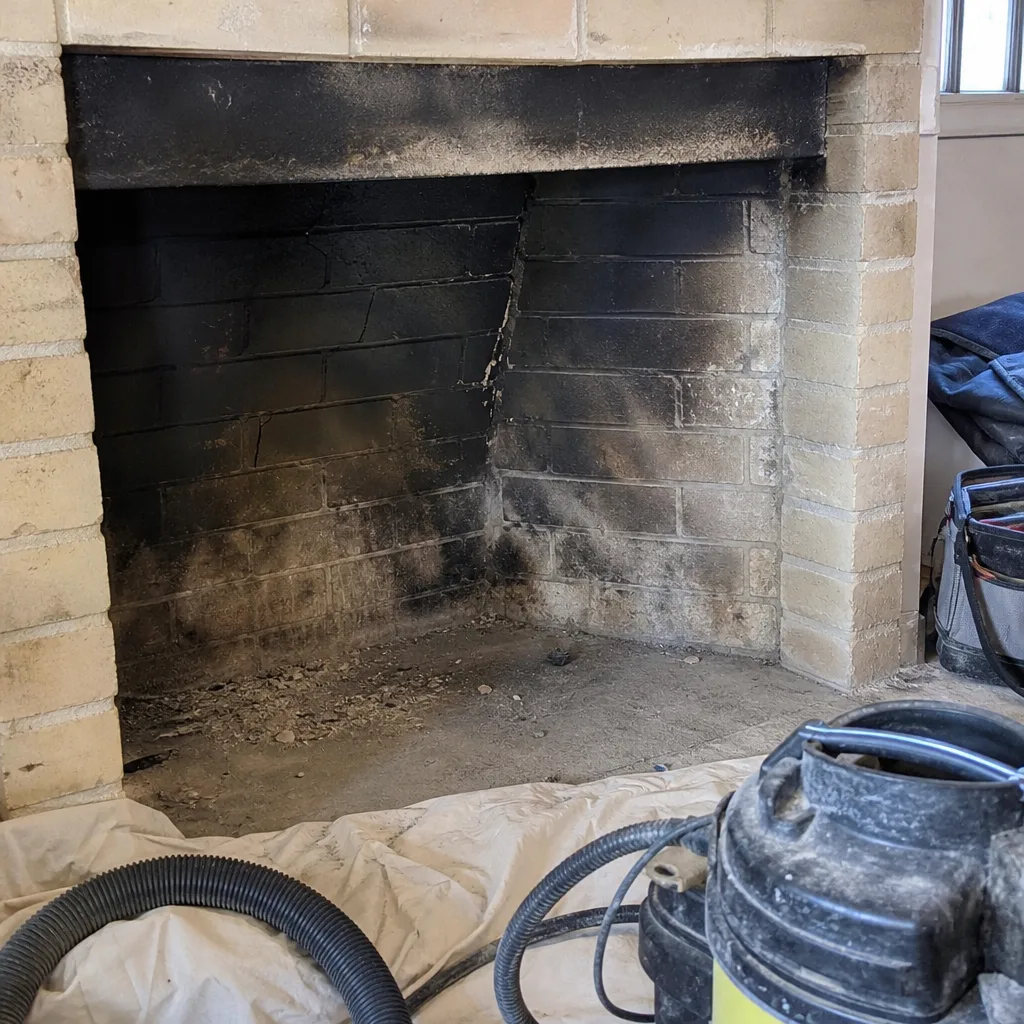 Before
 After
 Before
 After
What to Ask a Goodyear Chimney Contractor
Two questions, in this order, tell you almost everything you need to know about the company on the other end of the call.
- “What rotary system do you use?” A specialist answers with a name – SootEater, or a comparable professional rotary system – and can explain when they use it. A generalist says “we use a brush” and moves on.
- “Do you stock HeatShield for smoke chamber work?” A specialist says yes, and can explain what resurfacing involves. A generalist typically asks what HeatShield is.
Follow with three more if the first two land:
- “Do you carry framing and cap parts from a professional brand like Gelco or Famco, or do you source them from a big-box store?”
- “Can you show me the camera inspection footage before recommending a repair?”
- “Is this repair done in one visit, or does the work get handed off to another contractor?”
The last one matters more than it sounds. A chimney that’s inspected, cleaned, and repaired by one specialist team – start to finish – has no handoffs and no finger-pointing between contractors when something’s off. In Goodyear, where second opinions on vague repair estimates are common, that single-company accountability is the single most valuable thing a homeowner can ask for.
A company that answers all five questions specifically, and can name the products, is operating at a different level. One that can’t is probably using whatever was cheapest at the supply house.
Why Arizona Conditions Stress Materials Differently
Chimney products are formulated for a climate range, and Goodyear’s climate is at one end of it. Long, hot summers with intense sun exposure on the crown and flue cap. A wide day-night temperature swing in the cooler months. Very low annual rainfall concentrated into a short, intense window. A winter burning season that produces creosote quickly because the outside temperature doesn’t drop enough to fully cool the flue between burns.
The practical effect on materials:
- Crown sealants face the highest UV load of any component. Rigid caulk cracks within a few summers. Flexible elastomeric sealants like CrownCoat hold because they move with the concrete, not against it.
- Flue liners experience thermal cycling that a liner installed in a cold climate may never see. A flexible liner system like DuraFlex handles the expansion and contraction; a rigid system can crack at the joints.
- Caps and dampers, sourced from a professional brand like Olympia Chimney or Famco, hold up better to sun and heat than hardware-store alternatives, and that’s why we use them.
- Creosote in Goodyear tends to be brittle and flaky rather than tar-like, which makes rotary cleaning effective, but it also means the deposit can hide in small cracks that a camera inspection catches and a visual check alone will miss.
None of this is an argument for overbuying on materials. It’s an argument for asking what’s actually being installed and why. In Goodyear, the right product for the climate is not the cheapest one on the shelf, and a specialist knows the difference.
Common Mistakes to Avoid
- Hiring a company that won’t name its products. If the contractor can’t tell you the rotary system, the sealant, or the resurfacing compound by name, they’re probably using whatever’s cheapest. Ask directly, before you book.
- Accepting a repair recommendation without camera evidence. A chimney is hard to see into. Nothing should be recommended without footage you can review yourself, and a company that won’t provide it is asking you to take a very expensive claim on trust.
- Treating a flat-brush sweep as a full cleaning. A flat-rod brush in a flue with offsets misses the bends. Ask whether the sweep uses a rotary system, especially if your home in Goodyear was built before the current code cycle.
- Using hardware-store caulk on the chimney crown. In Arizona sun, rigid caulk fails within a few summers. If a contractor quotes “seal the crown” without naming the product, ask which one.
- Letting a “liner replacement” quote stand without a second opinion. HeatShield resurfacing restores many deteriorating liners without a full reline. A quote that jumps straight to replacement deserves scrutiny, and we’re glad to provide the second opinion.
- Skipping the inspection because the sweep looked clean. Cleaning removes what’s in the flue. Inspection finds what’s wrong with it. Those are two different jobs, and a specialist does both.
- Burning unseasoned wood and blaming the sweep. Excess moisture in the wood is the biggest driver of creosote. If your flue builds up quickly between cleans, the wood is part of the story.
When to Call a Professional
Some chimney problems are obvious – a strong creosote smell in the summer, a visible crack in the crown, water staining on the ceiling near the flue. Those need a call. Others are invisible: a hairline crack in the smoke chamber, a partially detached liner, a cap that’s loose but hasn’t fallen. Those are the ones an inspection catches before a repair becomes a replacement. In Goodyear, we’ve seen both plenty of times, and the pattern is consistent: the earlier the call, the smaller the fix.
Call a professional before your next burning season starts, especially if you’ve never had the chimney inspected, if the home is new to you, or if any contractor has quoted a repair you can’t verify. Goodyear Chimney Sweep offers free estimates in Goodyear – call (866) 361-8426.
Frequently Asked Questions
There’s no single best brand – the right product depends on the job. SootEater for rotary cleaning, Rutland for creosote prep, ChimneySaver CrownCoat for crown sealing, and HeatShield Cerfractory for smoke chamber resurfacing are the professional-grade standards we specify. The correct answer is a set of products matched to the chimney, not one brand applied to everything. Call (866) 361-8426 to talk through what your chimney actually needs. We answer 24/7, with dispatch from 7am to 7pm, Sunday through Friday.
Ask two questions: what rotary system do you use, and do you stock HeatShield for smoke chamber work. A specialist answers specifically and can explain when each is appropriate. A generalist typically can’t name either. If the answers are vague or evasive, keep shopping.
It depends on the flue. A straight, round flue with light deposit is often fine with a flat-rod brush. A flue with offsets, a rectangular cross-section, or heavier deposit needs a rotary system like SootEater for complete cleaning. Ask the contractor to explain why they’re using one over the other on your chimney.
No. HeatShield Cerfractory is the professional standard for resurfacing a deteriorating smoke chamber or restoring a damaged liner that hasn’t structurally failed, and it’s often a better option than full replacement. But a liner that’s structurally compromised needs a flexible liner system like DuraFlex, not resurfacing. The correct answer comes from the inspection, not from the product.
Most wood-burning chimneys should be inspected once a year and cleaned when the inspection shows deposit that needs removing. Gas fireplaces can often go longer between cleanings but still need an annual inspection to catch cracks and blockages. Burn rate, wood quality, and the flue’s condition all affect the interval.
We source from professional brands including Gelco, Famco, Olympia Chimney, and Copperfield – the same trade brands used in the rest of our repair work. That means when a cap or damper needs replacing, we’re not defaulting to a big-box substitute. We’re installing a part spec’d for the chimney.
The Bottom Line
The brand behind the product matters more than most homeowners realize. A rotary sweep reaches the flue a flat brush misses. A flexible crown sealant holds up to Arizona sun where rigid caulk fails. HeatShield resurfacing restores many smoke chambers and liners that a general contractor would quote for full replacement. None of this is complicated once you know what to ask. Name the products, ask for camera evidence, and pick a company that can answer specifically. If you’re in Goodyear and want that conversation with a specialist, we’re the team to call. Our technicians have up to 8 years of experience, and everything we install is inspected, cleaned, and repaired by one specialist team – start to finish. Trade-grade parts. Residential pricing. No generalist shortcuts.
Ready to schedule an inspection or get a second opinion on a repair quote? Call (866) 361-8426 for a free estimate. We answer 24/7. Fast dispatch, 7am-7pm, Sunday through Friday.
Written by the team at Goodyear Chimney Sweep.