
Last updated November 15, 2026
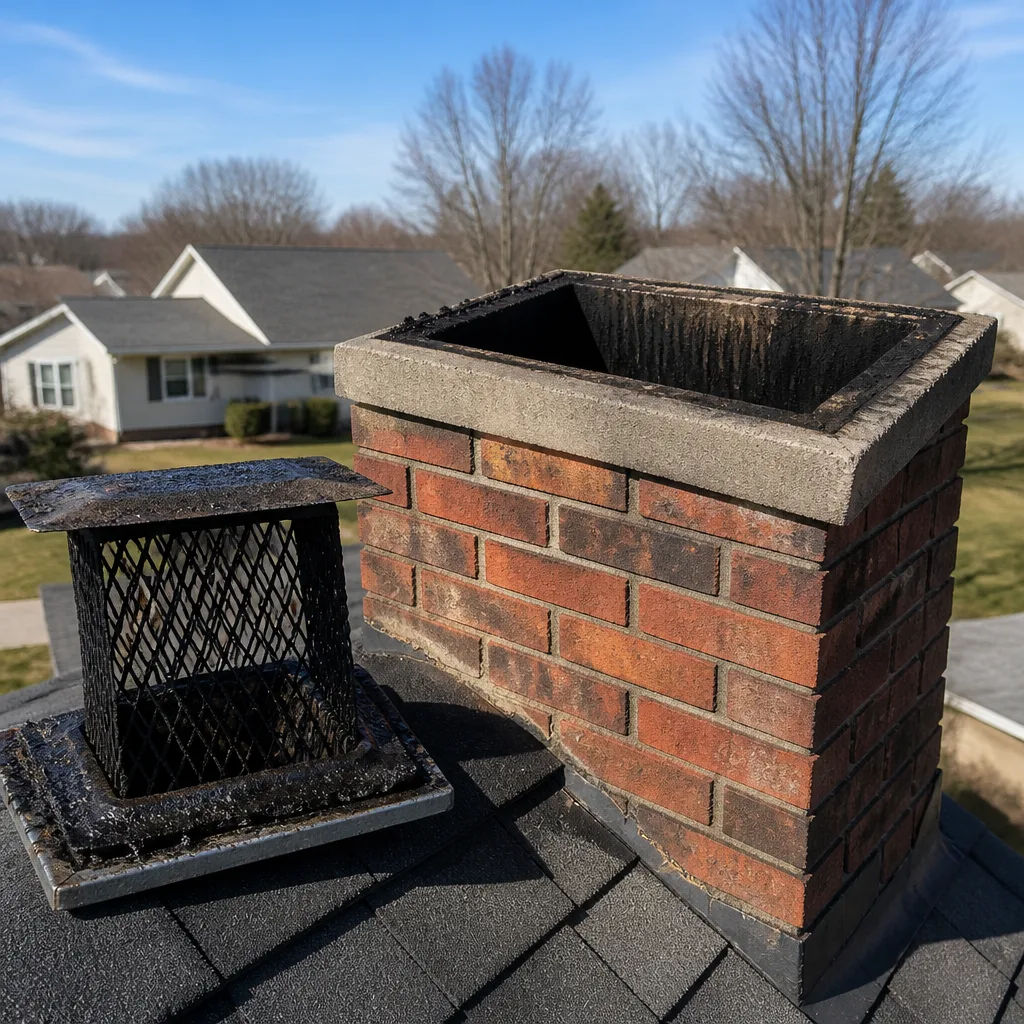 Sweep & inspection
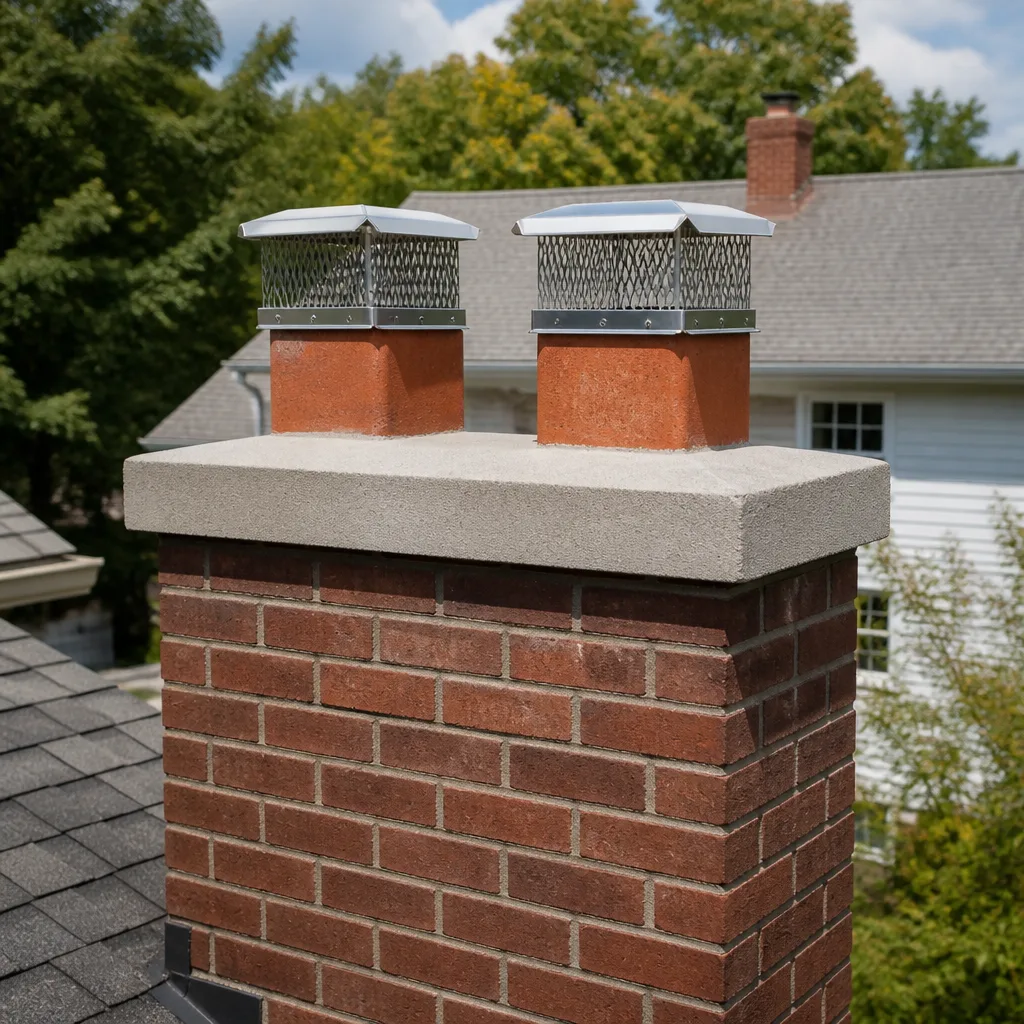 Caps & crowns
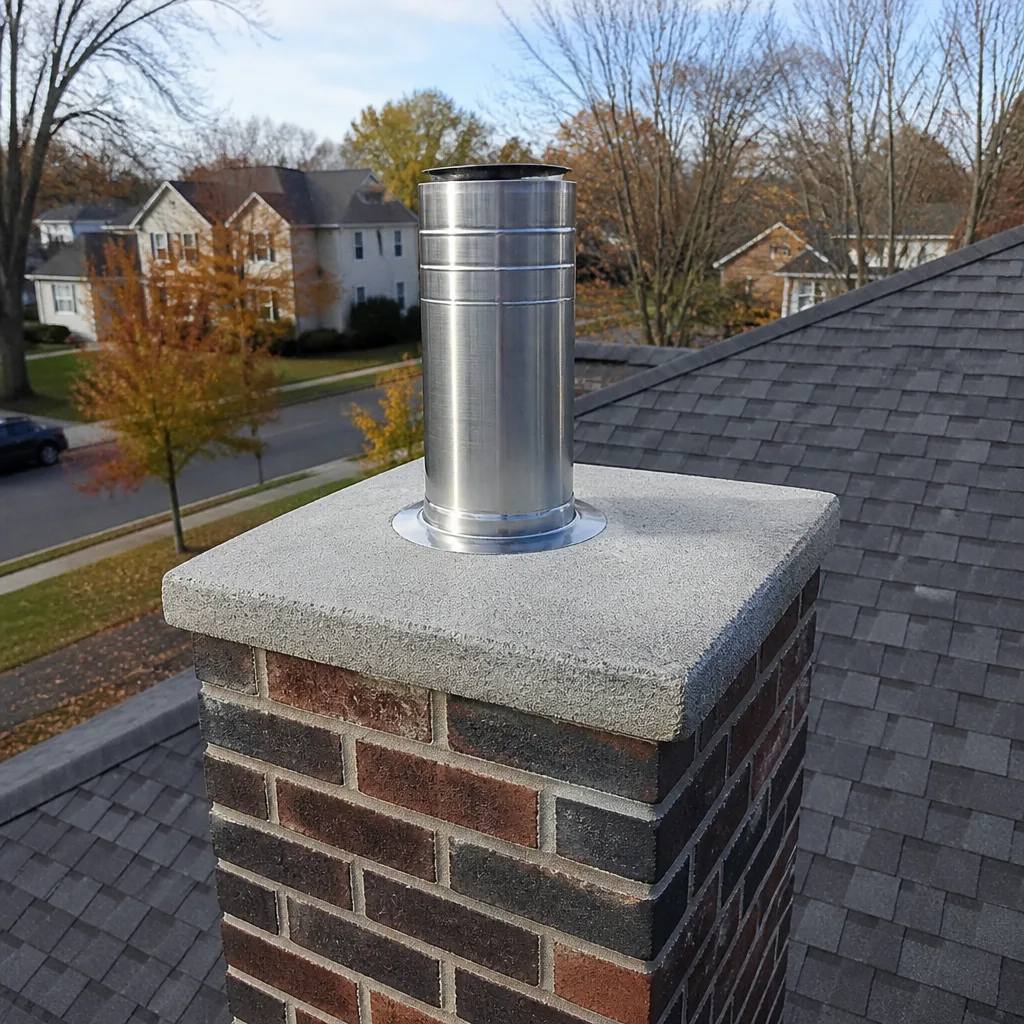 Flue relining
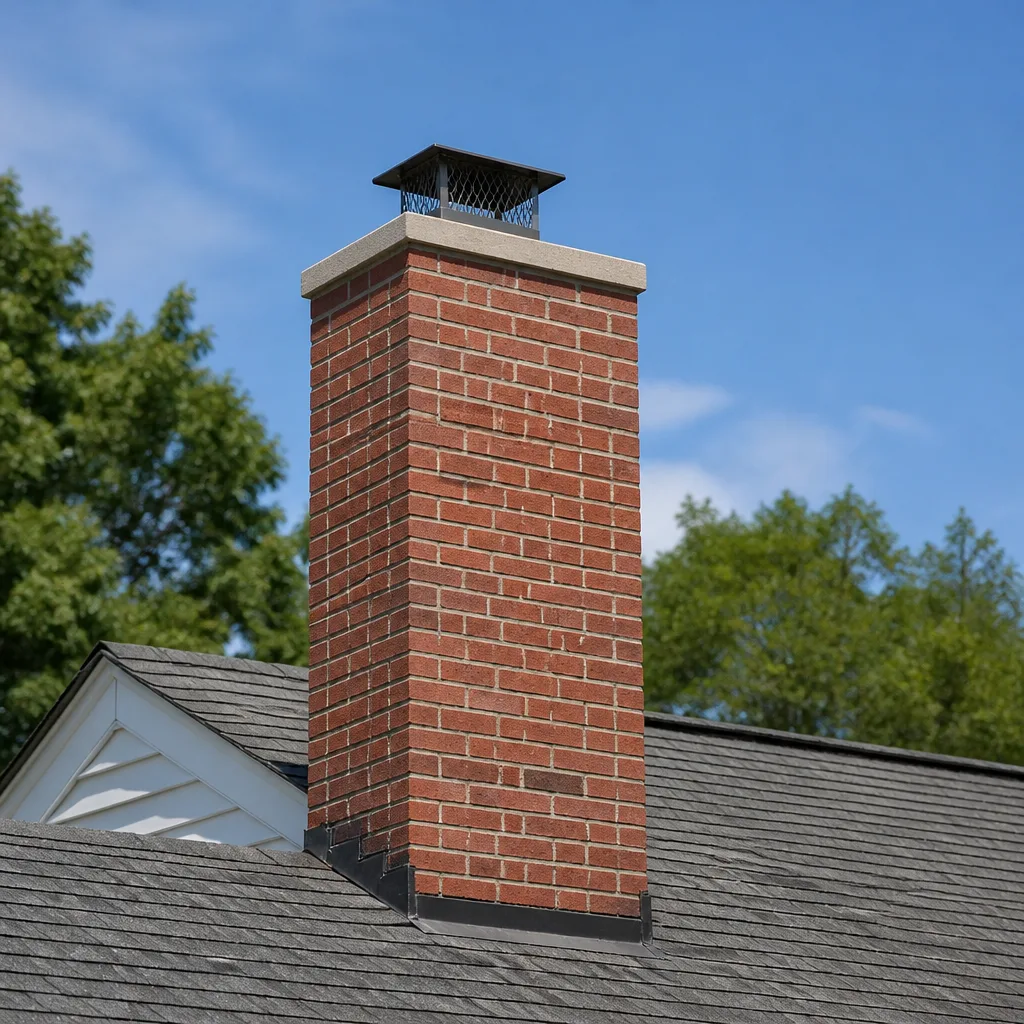 Masonry repair
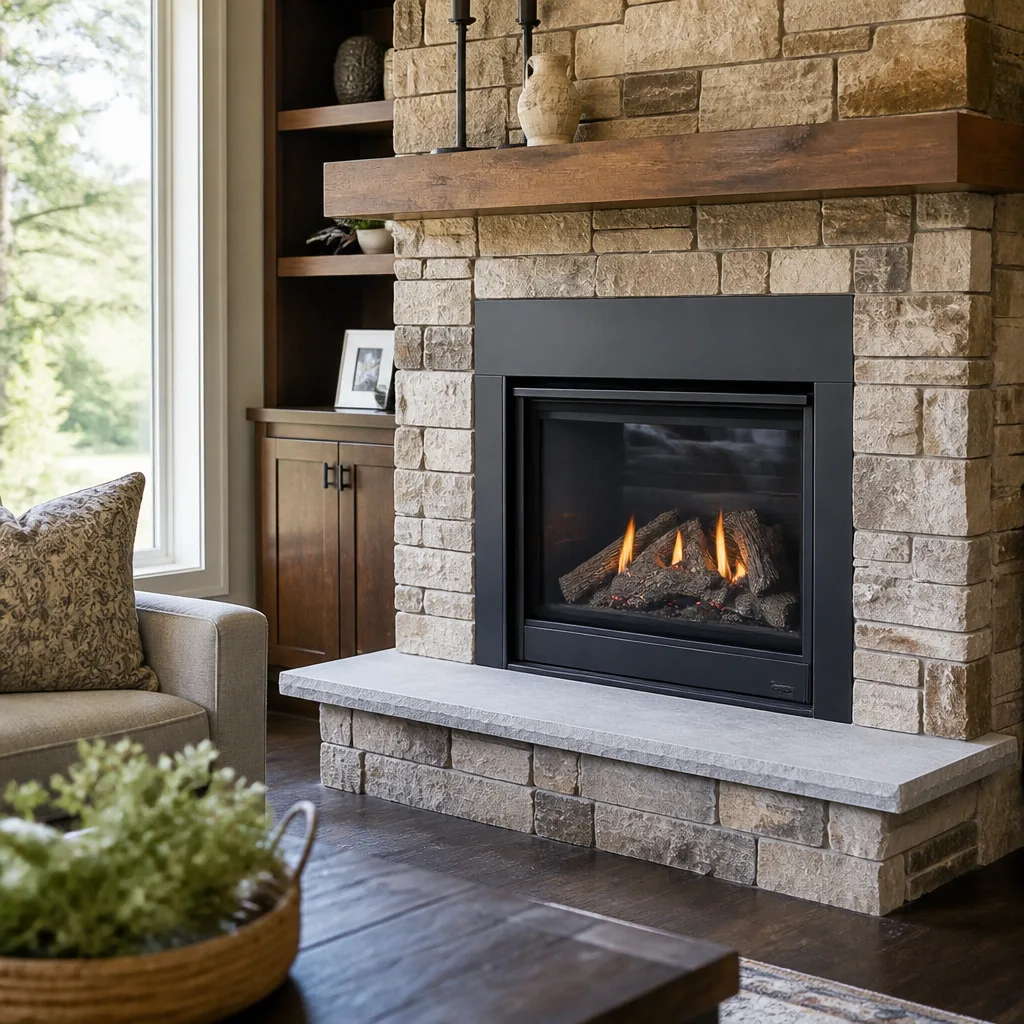 Gas fireplace service
Level 1 sweep and inspection to the NFPA 211 annual standard - flue, crown, cap, and flashing checked and photographed
Chimney sweep logs do not sweep chimneys. They loosen some creosote - which then falls where a brush and vacuum still have to collect it.
DIY vs Professional Chimney Cleaning: The Goodyear Homeowner’s Decision Guide
A chimney brush kit from a home improvement store costs $60 to $120. It cleans soot and light creosote from straight flues. It does not reach the smoke shelf, cannot assess the smoke chamber, and ships with no inspection camera. For most fireplace configurations in Goodyear, it doesn’t do the job it appears to do. That gap between what a brush kit looks like it accomplishes and what it actually accomplishes is where homeowners get into trouble. This guide defines the real boundary between a job you can handle and one that needs a trained technician with a camera and a proper set of tools. You’ll learn what DIY cleaning legitimately does well, what it misses, how the cost math works out once you add it all up, and where the line falls for your particular chimney.
Quick Answer
DIY chimney cleaning works for a narrow group: homeowners with a straight-flue masonry chimney, only light stage 1 creosote, and a way to verify the results with a camera. Everyone else isn’t saving money by sweeping it themselves; they’re deferring a larger expense onto a future season. If your chimney has an offset flue, a prefab metal fireplace, or creosote that has moved past the flaky stage, professional service is the cheaper path in the long run. For most Goodyear homes, that’s the honest answer.
Styles & brands we work with
- Sweep & inspection
- Caps & crowns
- Flue relining
- Masonry repair
- Gas fireplace service
Table of Contents
- What DIY Chimney Cleaning Can Actually Accomplish
- What DIY Cleaning Cannot Do
- Goodyear-Specific Factors That Push Toward Professional Service
- The Real Cost Comparison: DIY Kit vs. Full Professional Service
- Creosote Stages and Why the Distinction Matters
- The Liability Case: Insurance Records and DIY Sweeps
- A Step-by-Step Safety Check Before You Decide
- What a Professional Sweep in Goodyear Actually Involves
What DIY Chimney Cleaning Can Actually Accomplish
DIY chimney cleaning is not a myth. It has a legitimate use case, and it’s worth being specific about what that is. NFPA 211 sets the standards for chimney, fireplace, vent, and solid-fuel systems, and those standards give us a clear definition: a chimney is considered clean when the flue surface is free of soot and combustible deposits. For a straight masonry flue with only stage 1 creosote (the flaky, soot-like stage), a homeowner with the right brush, poles, and patience can genuinely achieve that.
Here’s what DIY can realistically handle:
- Soot removal from straight vertical flues. A properly sized polypropylene brush on a set of rods can scrub the interior walls of a straight masonry flue.
- Stage 1 creosote. The soft, flaky deposit that brushes off with mechanical action. If that’s all you have, you’re in DIY territory.
- Basic surface dust and ash. Clearing the firebox and smoke shelf area of loose debris after a burn season.
- Annual maintenance on a chimney that was already professionally inspected. If a technician verified the flue condition and told you a routine sweep is all that’s needed, an annual DIY sweep between professional inspections is reasonable for some homeowners.
That’s the honest list. It’s shorter than most DIY guides imply. The reason is that the chimney is only partly a straight pipe. The parts below the flue are where the brush kit runs out of reach. For homeowners in Goodyear who want to know whether their chimney fits this narrow band, a baseline chimney sweep with a camera inspection is the rational first step. You can’t evaluate whether a DIY sweep is safe if you don’t know what’s actually in the flue.
What DIY Cleaning Cannot Do
The limitations of DIY chimney cleaning come down to access. A brush on a rod reaches straight up the flue. Every component off the vertical axis is invisible to it. Here’s what sits out of reach:
The Smoke Chamber
The smoke chamber is the tapered transition between the firebox and the flue. It accumulates creosote and soot on its sloped walls, and it’s one of the most common locations for a chimney fire to start. A straight brush passes through the smoke chamber without touching the sloped surfaces. Cleaning the smoke chamber requires specialized tools and a technician who can see what they’re working on.
Camera Verification
After a brush sweep, you can see down the flue from the top and you can see up from the firebox. What you can’t see is the interior surface of the entire flue, especially around offsets, at joints, and behind ledges where the brush may have skipped. A chimney inspection camera lets a technician verify that the flue is genuinely clean and check for cracks, gaps, or spalling in the flue tile. A homeowner with a brush kit is working on faith. We prefer evidence.
Creosote Stage Assessment
Creosote deposits sit in three distinct stages, and each stage requires different treatment. A homeowner can see flaky stage 1 and reasonably assess it. Stage 2 (the hardened, crusty layer) and stage 3 (the glazed, tar-like coating) are another matter. Stage 3 in particular requires specialized chemical treatment, rotary cleaning, or in some cases a flue resurfacing product like HeatShield. A homeowner with a brush kit cannot reliably distinguish stage 2 from stage 3 based on a visual glance, and treating stage 3 like stage 1 can make the problem worse.
Flue Tile Inspection
Flue tiles crack. They spall. Joints open up. When they do, heat and combustion gases can pass into the masonry or nearby framing. A brush sweep does not evaluate tile condition. A camera inspection does.
That list is the reason we don’t recommend DIY sweep kits as a substitute for professional cleaning in most cases. They aren’t a bad tool. They’re a narrow tool.
Goodyear-Specific Factors That Push Toward Professional Service
Not every chimney in town is a candidate for DIY, and the local housing stock and weather patterns play a role in that. Three factors stand out when we look at chimneys around Goodyear:
Prefab Metal Fireplaces in Post-1990 Builds
A large share of homes built in Goodyear from the 1990s forward were fitted with prefab metal fireplaces and factory-built chimney systems. These have different cleaning requirements than masonry chimneys. The flue sections often have directional baffles, insulated liners, and manufacturer-specific clearances that a rigid brush can damage if used carelessly. Manufacturers publish cleaning procedures for these systems that don’t always match what a generic brush kit was designed for. A technician working on a prefab system needs to know the model and follow the right method.
Offset Flue Configurations
Some Goodyear chimneys have an offset in the flue: the top of the flue and the firebox don’t line up on the same vertical axis. The flue jogs sideways to clear a roofline or interior wall. A straight brush will pass through the main flue but typically misses the area around the offset entirely. Offsets are one of the main reasons we stock flexible liner systems like DuraFlex: when an offset chimney is cleaned and inspected, and a liner repair or replacement becomes necessary, a flexible liner works where a rigid one can’t navigate the jog.
Post-Monsoon Debris
Between July and September, Goodyear typically sees the seasonal monsoons. Those storms drive wind-blown dirt, dust, palm fronds, and roof debris into any chimney that lacks a proper rain cap. By October, plenty of local chimneys have accumulated a layer of material on top of whatever creosote was already there. That combined layer doesn’t always brush out cleanly. It can smear, compact, and form deposits against the flue wall that need to be assessed and treated properly. A homeowner in Goodyear who sweeps it themselves after a monsoon hasn’t necessarily solved the problem, because the composition of the debris is different than a routine soot layer.
Those three factors don’t apply to every house, but they apply to enough of the local housing stock that we encourage homeowners to know which category their chimney falls into before they decide. A quick inspection tells you. Guessing doesn’t.
The Real Cost Comparison: DIY Kit vs. Full Professional Service
Here’s the comparison most DIY guides skip: the actual cost of doing it yourself, all in. A brush kit sells for $60 to $120. That’s the headline number. It’s not the full number.
- Brush kit: $60 to $120. One-time purchase. Rods, brush, and a bag.
- Disposable drop cloths and tarps: $15 to $40. Soot gets everywhere. You’ll want to protect the floor.
- Respirator and goggles: $25 to $60. Soot and creosote are respiratory irritants. A dust mask from a home improvement store isn’t enough.
- Camera rental or purchase: $150 to $400. Without one, you cannot verify what you cleaned. This is the item most DIY-ers skip and shouldn’t.
- Time and risk: Half a day on a ladder, working over an open flue, on a roof, with a bag of soot. Not every homeowner is comfortable with that arrangement, and roofs in Goodyear’s summer heat are not a forgiving place to learn.
Add it up and a first-time DIY sweep is a $250 to $620 commitment, plus a half day, before you’ve spent anything on a professional inspection. Professional service includes the cleaning, the camera inspection, a documented report, and the technician time in one visit. If your chimney is more complicated than a straight flue with light creosote, the DIY math gets worse because you’re committing to a second professional visit anyway.
The other consideration is what happens if something goes wrong. A brush that’s the wrong size for the flue can damage flue tiles. A brush run hard through a prefab system can loosen baffles. A DIY sweep that dislodges a large creosote deposit that then jams halfway down the flue causes a bigger, more expensive problem than the sweep was meant to solve. Professional chimney repair work after a DIY mishap typically costs more than a professional sweep would have cost in the first place.
Creosote Stages and Why the Distinction Matters
Creosote is the residue left behind when wood smoke cools inside the flue. It builds up in three recognizable stages, and telling them apart is one of the most important judgment calls in chimney maintenance.
- Stage 1: Soot and flaky creosote. Soft, dusty, brushes off easily. This is the stage where DIY is genuinely viable.
- Stage 2: Hardened, crusty creosote. Firm, brittle, and bonded to the flue surface. A standard brush will only partially remove it. Rotary cleaning with the right attachments is typically needed.
- Stage 3: Glazed, tar-like creosote. Dense, shiny, and difficult to remove without specialized chemical treatment or rotary tools. This is the stage associated with the highest chimney fire risk.
NFPA 211 exists precisely because the difference between these stages matters. Stage 1 is a nuisance. Stage 3 is a hazard. A homeowner with a brush kit can handle stage 1 competently. The problem is that a brush kit doesn’t clearly show you when you’ve moved past stage 1. The deposit can look similar at a glance in the middle of a sweep, and the difference between “I removed the soot” and “I removed the soot but the hardened creosote underneath is still there” is easy to miss. Professional cleaning includes a camera pass that verifies what came off and what didn’t. That’s the difference between doing the job and thinking you did.
If the technician finds stage 2 or stage 3, or if the flue tile has spalled and needs to be resurfaced, options exist. HeatShield is a proprietary flue resurfacing system that can restore a deteriorated liner without a full reline in qualifying cases. It’s not available through general contractors, and it’s not something a homeowner can assess or apply from a DIY kit. It’s one of the reasons we specify materials by name: the product matters, and the answer isn’t always to replace the whole liner.
The Liability Case: Insurance Records and DIY Sweeps
This is the section most chimney guides don’t cover, and it’s the one homeowners should read carefully. If a chimney fire happens in a home, one of the first things an insurance adjuster will ask for is documentation of chimney maintenance. Specifically: when the chimney was last swept, who performed the sweep, and what was found.
For a professionally swept chimney, that record exists. The sweep produces a report with the date, the technician, the condition of the flue before and after, and any observations about creosote stage, tile condition, or needed repairs. That report is the homeowner’s evidence that maintenance was current.
For a DIY sweep, the record is a receipt for a brush kit and the homeowner’s memory. If the chimney fire began in a stage 3 creosote deposit the homeowner didn’t know was there, the absence of any inspection record makes it harder to argue that the maintenance was reasonable. Some policies handle this differently than others, and we’re not in the business of interpreting insurance contracts. But the general pattern is worth knowing: a professional inspection record is a document you can produce. A DIY sweep is not.
The other side of the liability picture is the chimney itself. If a DIY sweep dislodges flue tile, cracks a joint, or leaves a deposit that later ignites, the homeowner is on the hook for the repair. Professional service is backed by the technician’s competence and the company that performed it. We prefer that the person on the roof has insurance, and that the homeowner knows who to call if something needs to be corrected.
A Step-by-Step Safety Check Before You Decide
If you’re considering a DIY sweep in Goodyear, run this checklist first. It takes twenty minutes and it will tell you whether DIY is even on the table.
- Identify your chimney type. Masonry or prefab metal? Look at the firebox. A firebrick-lined firebox with a masonry surround is masonry. A steel firebox with a glass door and a manufacturer label on the frame is prefab. Prefab systems need professional cleaning because manufacturer-specific clearances and baffles are easy to disturb.
- Check the flue for offsets. From the roof, look down the flue. From the firebox, look up. If the two sight lines don’t line up, you have an offset, and a straight brush won’t reach the jog. Call a professional.
- Identify the creosote stage. Look at the flue interior with a bright light. Flaky and dusty is stage 1. Crusty and firm is stage 2. Glazed and shiny is stage 3. Only stage 1 is a reasonable DIY target, and even then, an inspection camera is the only way to confirm what you’re actually looking at below the visible line.
- Inspect the flue tile. Look for cracks, gaps at the joints, or spalling sections of tile. Any of those means the chimney needs professional evaluation before cleaning.
- Check the smoke chamber access. Look up into the smoke chamber from the firebox. If you see heavy deposit on the sloped walls, that’s beyond what a brush can reach.
- Confirm you have a proper rain cap. If your chimney is uncapped or the cap is damaged, the post-monsoon debris situation is worse than it needs to be. A proper cap is a cheap fix that preserves the chimney between sweeps.
- Decide honestly. If all six checks come back clean, and you’re comfortable on a roof, and you have a camera to verify the sweep, DIY is a reasonable call. If any check is uncertain, stop and book a professional.
In our experience, most homeowners who run this checklist find at least one item that pushes them into the professional category. That’s not a sales pitch. It’s what the checklist is for.
What a Professional Sweep in Goodyear Actually Involves
For homeowners who want to understand what they’re paying for, a professional chimney sweep is more than the brush work itself. A complete service visit typically covers:
- Inspection before cleaning. The technician inspects the firebox, smoke chamber, flue, and chimney exterior before starting. This establishes a baseline and identifies anything that needs to be handled differently.
- Cleaning with the right tools for the system. Masonry and prefab chimneys get different brushes, different techniques, and different care around baffles and clearances.
- Smoke chamber cleaning. The sloped walls of the smoke chamber are cleaned with tools designed to reach them, not with a brush passed straight through.
- Camera verification. After cleaning, a camera pass through the flue confirms the walls are clean and identifies any tile condition issues that were hidden by creosote.
- A written report. The technician documents what was found, what was cleaned, and any repairs recommended. That report is the maintenance record you’ll want on file.
- Repair and materials, if needed. If the inspection turns up a damaged cap, a missing damper, or a liner issue, the same visit can typically turn into a repair conversation. We work with trade brands like Gelco and Olympia Chimney for caps, dampers, and ventilation parts, and HeatShield for liner resurfacing where it applies.
One company handling all three phases (inspection, cleaning, and repair) matters because the person who diagnosed the problem is the person who fixes it. No handoff between a sweep-only service and a separate repair contractor. No ambiguity about who said what. The material specification we use is a reflection of that: we specify materials by name because the brand behind the product matters. A homeowner who’s been told by a generalist that they need a full reline, and wants a second opinion grounded in real materials, is exactly the customer a scope like this is designed for.
For homeowners in the Goodyear area, a professional sweep is also the moment to ask about the cap, the damper, and the smoke chamber, not just the flue. A clean chimney is the starting point. A structurally sound one is the goal.
Common Mistakes to Avoid
- Buying a brush kit and assuming that’s the whole job. The kit handles soot on a straight flue. It doesn’t inspect tile, verify the smoke chamber, or tell you what stage of creosote you have left. Buying the tool is the start of a decision, not the end of one.
- Sweeping without a camera. You cannot verify what you cleaned if you can’t see the walls. A camera is the only honest confirmation that the flue is clear, and it’s the one thing the DIY kit leaves out.
- Using a brush that’s the wrong size for the flue. A brush too large for the flue can crack tile. A brush too small for the flue leaves deposit on the walls. Flue sizing is not a guess; it’s a measurement.
- Ignoring the post-monsoon sweep. Goodyear’s monsoon season deposits debris in an uncapped or damaged-cap chimney. A sweep scheduled after the season ends clears the combined deposit before burning season begins.
- Treating stage 2 and stage 3 creosote with a standard brush. A brush will skim the surface of hardened or glazed creosote and leave the rest behind. The chimney looks cleaner than it is, which is worse than looking like it needs work.
- Not documenting the sweep. If the sweep isn’t written down with a date and a signature, it’s not a maintenance record. It’s a memory.
- DIY sweeping a prefab system without checking the manufacturer’s procedure. Prefab fireplaces have model-specific cleaning requirements. The general brush kit did not come with the manufacturer’s instructions for your particular system.
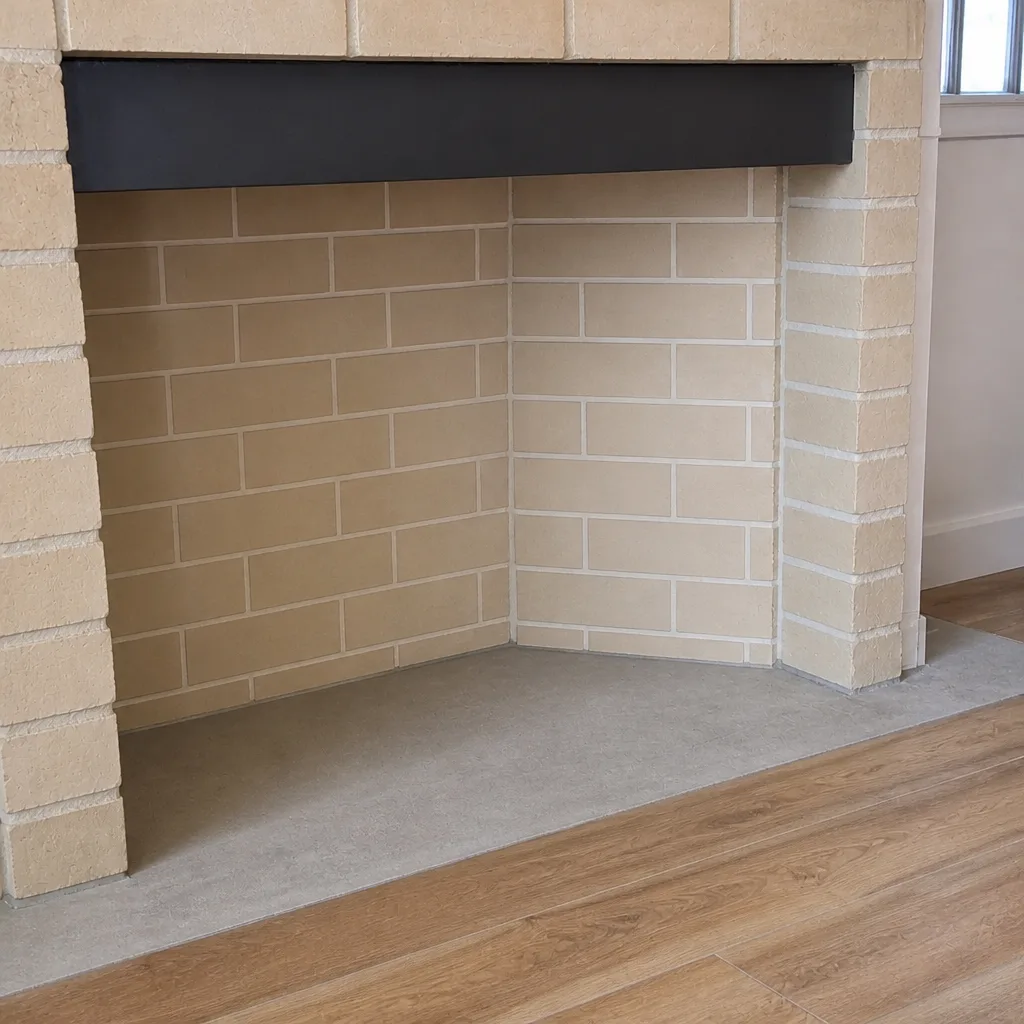
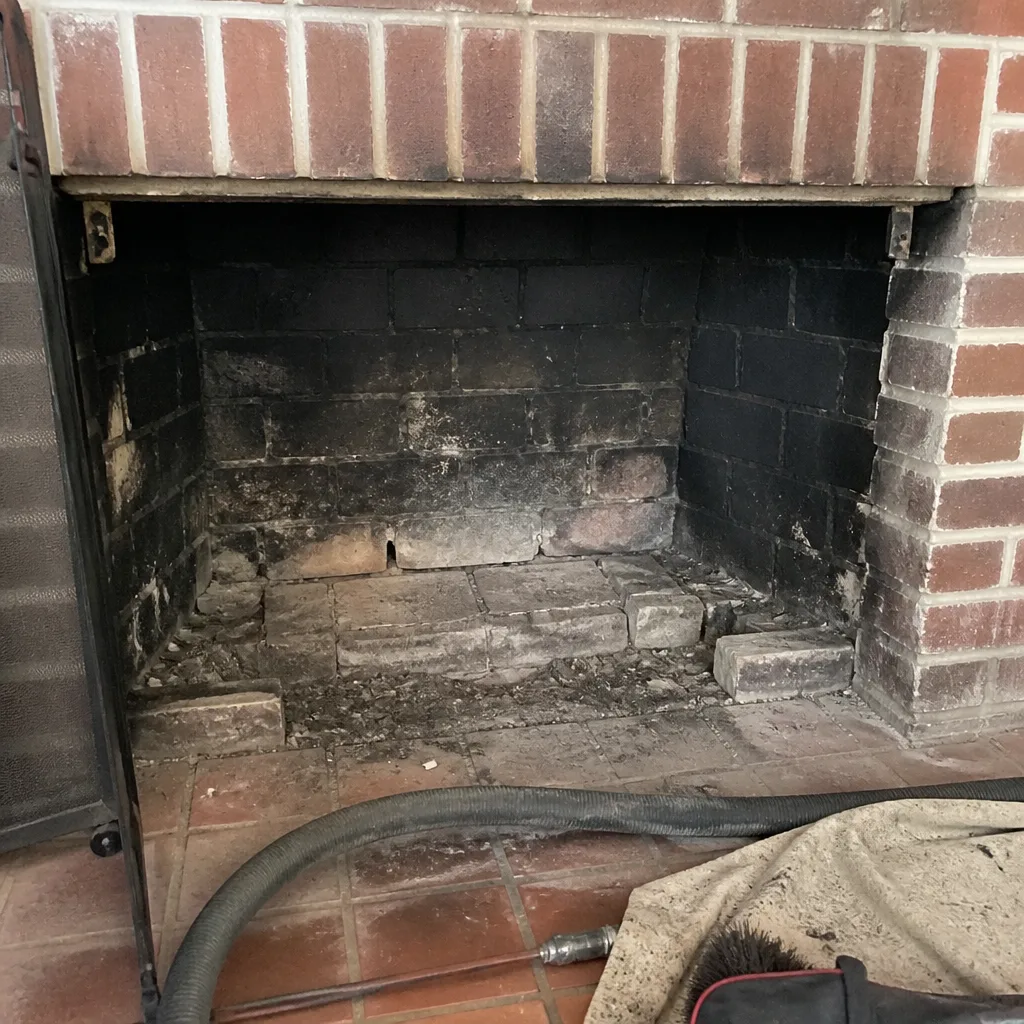
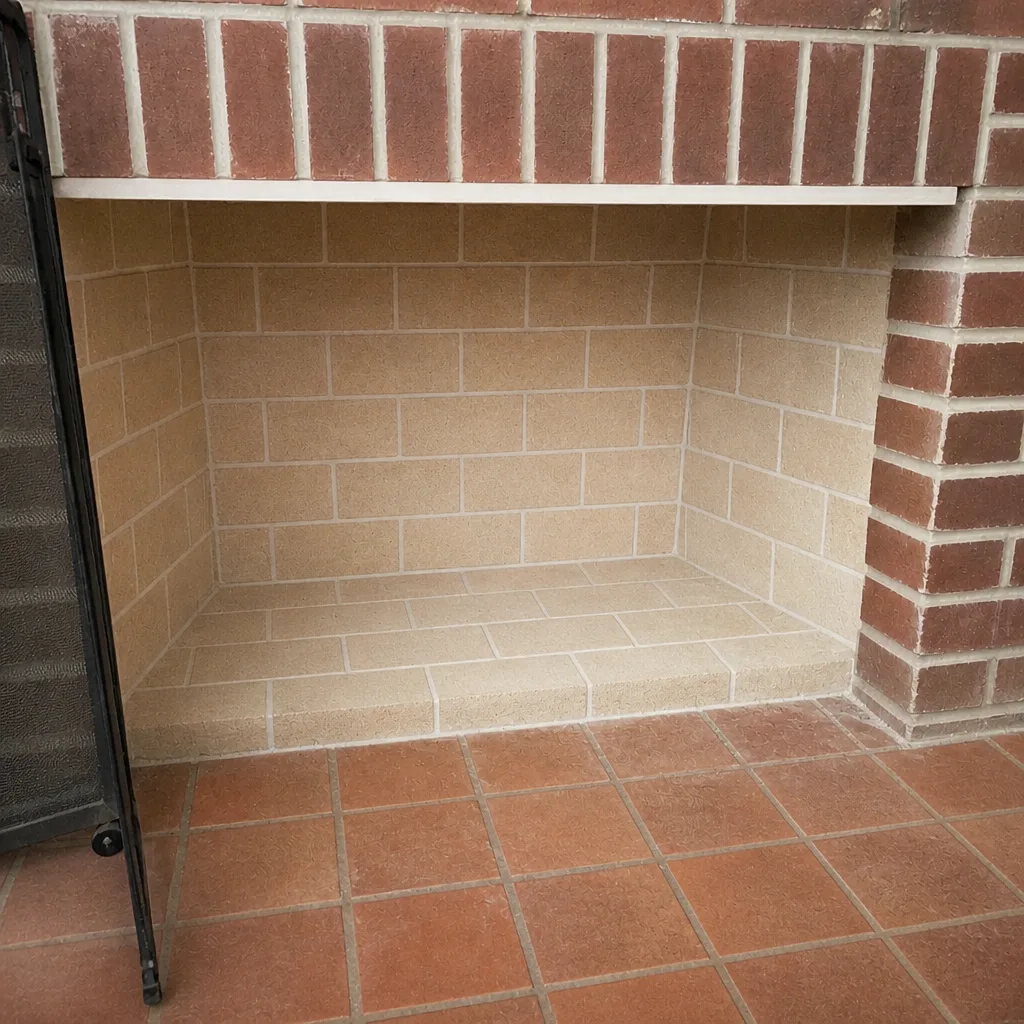
See the difference
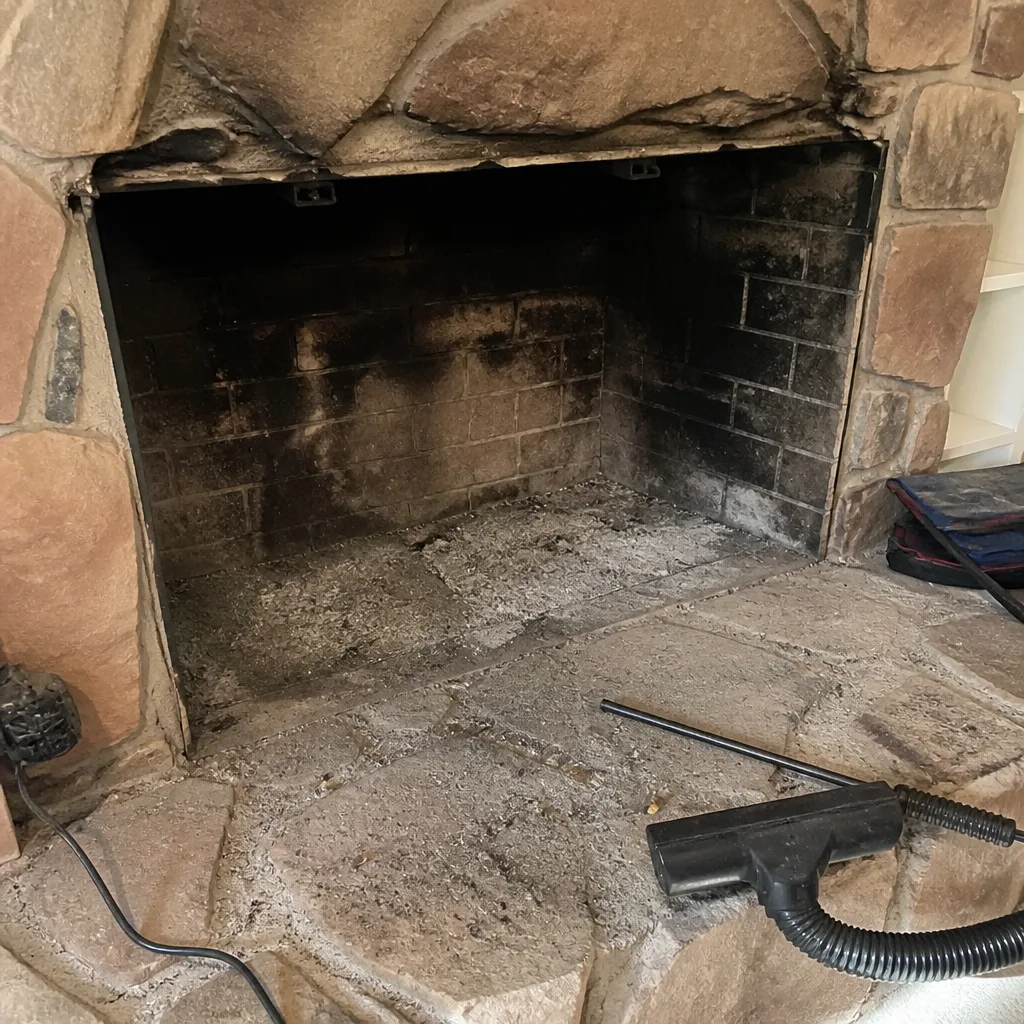 Before
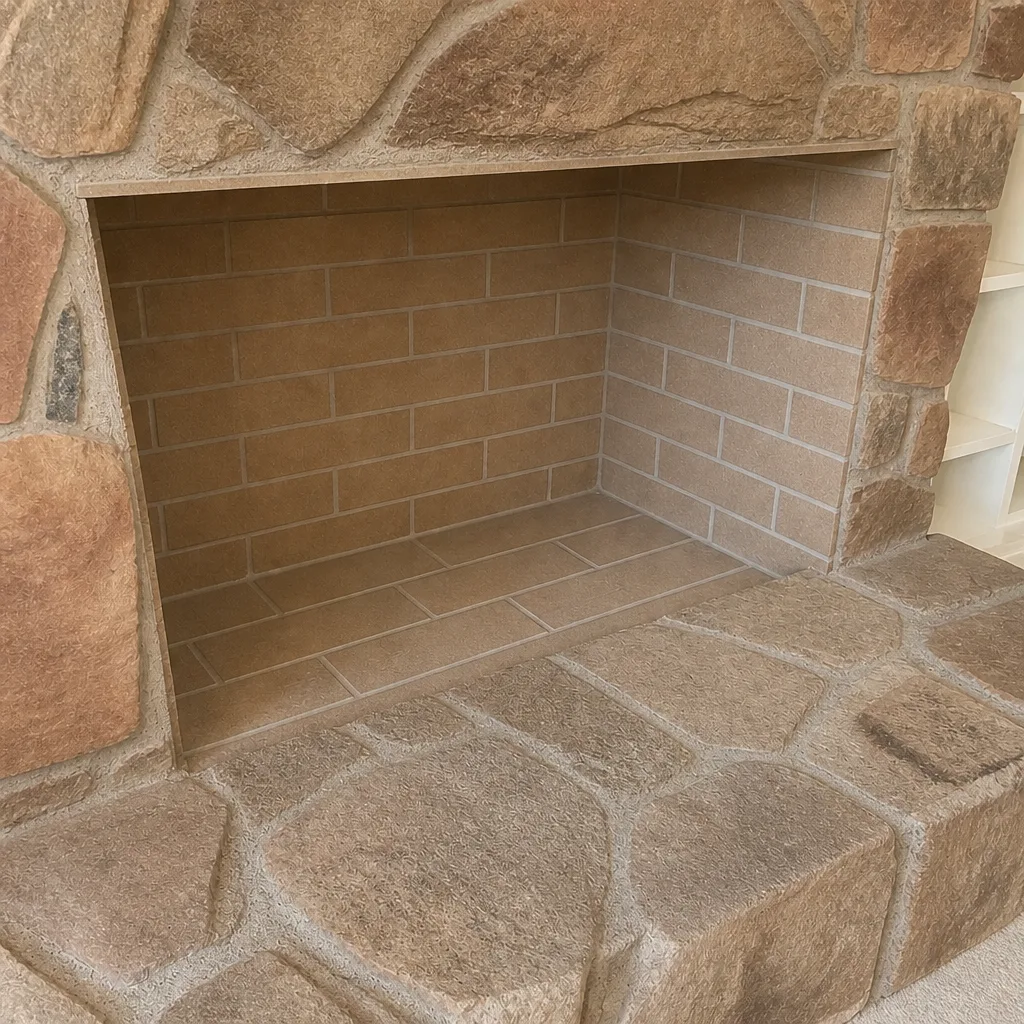 After
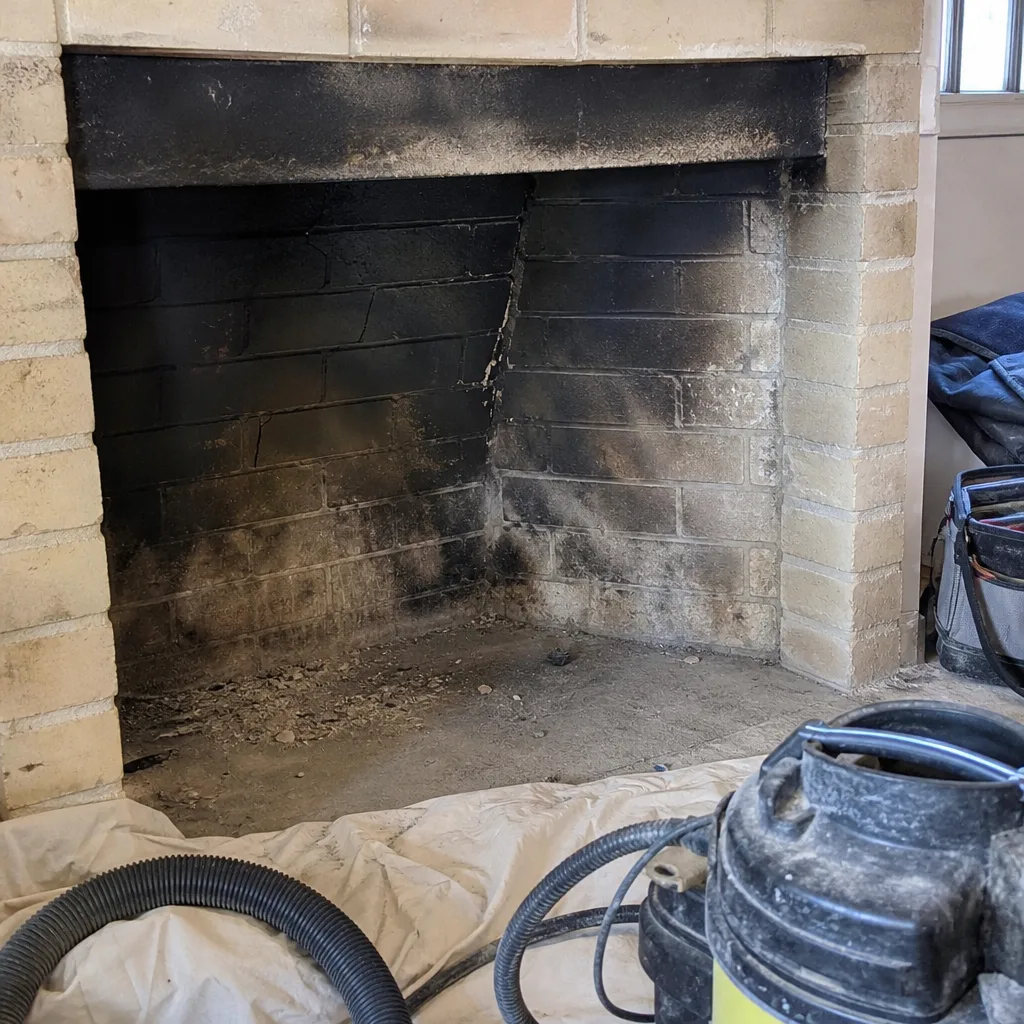 Before
 After
 Before
 After
When to Call a Professional
Call a professional whenever any of the following is true: your chimney is a prefab metal system, your flue has an offset, your creosote is anything past flaky stage 1, your flue tile has visible cracks or spalling, you smell smoke in the house after a burn, your chimney has no rain cap and hasn’t been inspected since before the last monsoon, or you’ve received a vague repair quote and want a second opinion. Call us too if you simply haven’t had the chimney inspected in a while; the first step is finding out what’s actually there. A safety caveat worth stating plainly: a serious creosote fire in a chimney can damage the flue in ways a visual glance won’t reveal, and carbon monoxide risk rises when a flue is blocked or leaking. We don’t recommend climbing on a roof you’re not comfortable with or reaching into a flue you can’t see. Goodyear Chimney Sweep offers free estimates in Goodyear. Call (866) 361-8426. We answer 24/7. Fast dispatch from 7am to 7pm, Sunday through Friday.
Frequently Asked Questions
Yes, if your chimney is a straight-flue masonry system with only stage 1 creosote, and you have a camera to verify the results. That’s a narrow band. Most chimneys in Goodyear fall outside it, either because they’re prefab metal fireplaces common in post-1990 builds, or because they have offset flues, or because the creosote has hardened past stage 1. If you’re not sure which category you’re in, call (866) 361-8426 for a free estimate and an inspection that tells you.
The cost is set per job by a written estimate, because every chimney is different: flue size, creosote stage, access, and whether repairs are needed all affect the total. The estimate itself is free. The number you get is what the written estimate says, not a phone-quoted range that changes on site. Call (866) 361-8426 for an exact quote, and ask what the inspection report will cover while you’re at it.
Not always, and that’s the reason a second opinion is worth getting. Liners can crack, spall, or separate at the joints, and when they do, they need attention. But some deterioration can be restored with HeatShield flue resurfacing, which is a proprietary restoration system for qualifying cases and not a full reline. We won’t recommend a liner replacement until the camera shows us something that requires it, and we’ll show you the footage. Call (866) 361-8426 if you’ve been quoted a reline and want an independent look.
NFPA 211 guidance is that a chimney should be inspected at least once a year and swept as needed. For a household that burns wood regularly through the winter, an annual sweep is common. For homeowners who burn occasionally, the annual inspection is the baseline and the sweep depends on what the camera shows. A Goodyear chimney inspected after the monsoon season and before the first cool-weather burn starts the heating year on solid footing. Call (866) 361-8426 to book a free estimate and get the schedule set for your chimney.
Creosote builds up stage by stage until the deposits become ignitable. A chimney fire fed by stage 3 creosote can reach temperatures high enough to crack flue tile, warp a prefab liner, or pass heat into nearby framing. Separately, a flue blocked by soot or debris can push carbon monoxide back into the living space instead of venting it out. Neither outcome is common in a well-maintained chimney and both are avoidable with routine inspection. We don’t say that to scare anyone; it’s the reason the annual inspection exists. Call (866) 361-8426 for a free estimate and put a real inspection on the record.
Monsoon winds between roughly July and September push dust, dirt, plant debris, and roof material into any uncapped or damaged-cap chimney. That debris settles on top of existing creosote and can pack into a combined layer that a standard brush sweep doesn’t clear cleanly. A post-monsoon sweep, ideally with a properly fitted cap in place before the season, is the practical way to keep this from becoming a spring repair. Call (866) 361-8426 for a free estimate and ask about a cap while you’re at it.
The Bottom Line
DIY chimney cleaning isn’t wrong. It’s just narrower than the brush kit aisle at the home improvement store suggests. A straight-flue masonry chimney with light stage 1 creosote, verified with a camera, is a reasonable DIY target for a homeowner who’s comfortable on a roof. Everything outside that profile (prefab metal fireplaces, offset flues, hardened or glazed creosote, cracked tile, missing caps, post-monsoon debris) is a professional job, and the cost comparison works in professional service’s favor once you add up the camera, the safety gear, and the time. The liability angle is the last word: a professional sweep produces a documented record, and a DIY sweep produces a receipt. For most homeowners in Goodyear, the answer is a Goodyear Chimney Sweep inspection first, and a decision about DIY second. If you’re not sure which category your chimney is in, or you want a second opinion on a quote you’ve already received, we can help. Goodyear Chimney Sweep provides inspection, cleaning, and repair as one connected service, with materials specified by name from trade brands including DuraFlex, HeatShield, Gelco, and Olympia Chimney. Our technicians have up to 8 years of experience. Call (866) 361-8426 for a free estimate. We answer 24/7. Fast dispatch from 7am to 7pm, Sunday through Friday.
Written by the team at Goodyear Chimney Sweep.