
Last updated November 15, 2026
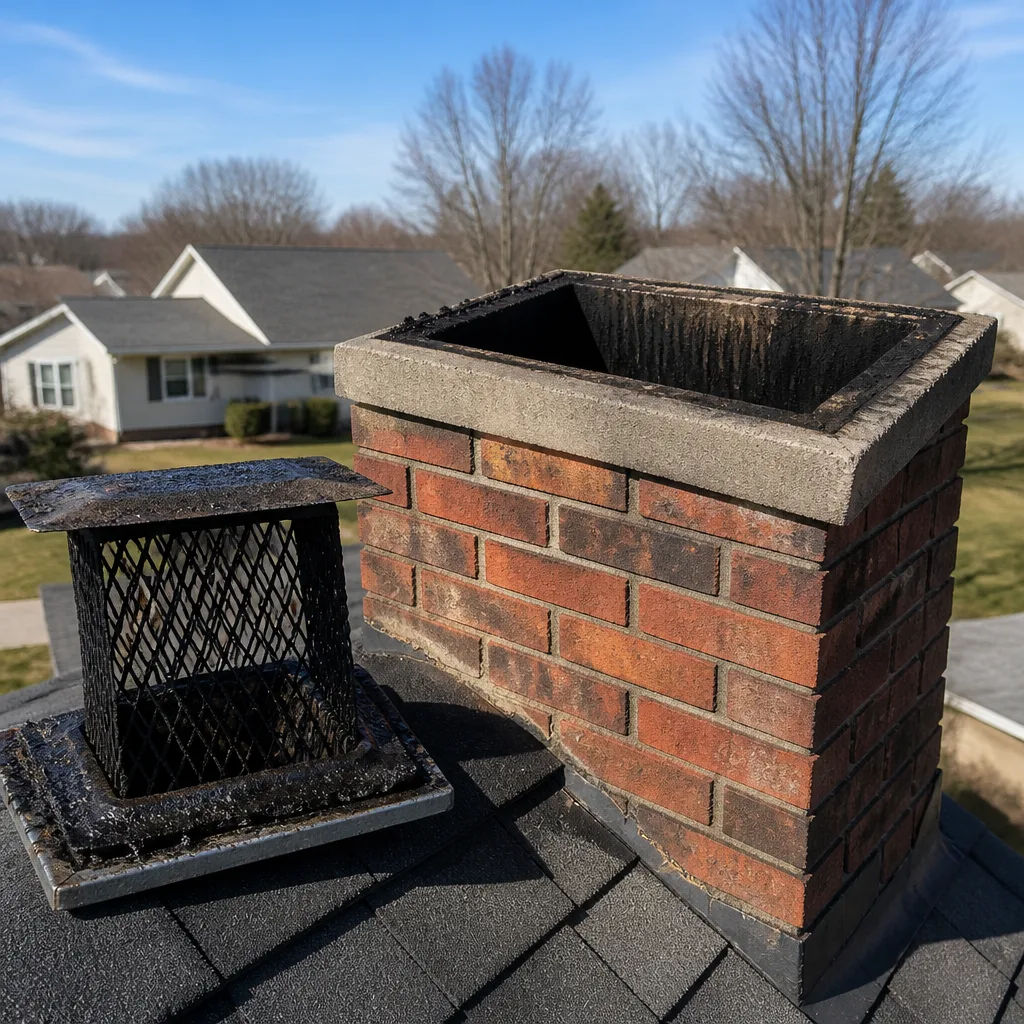 Sweep & inspection
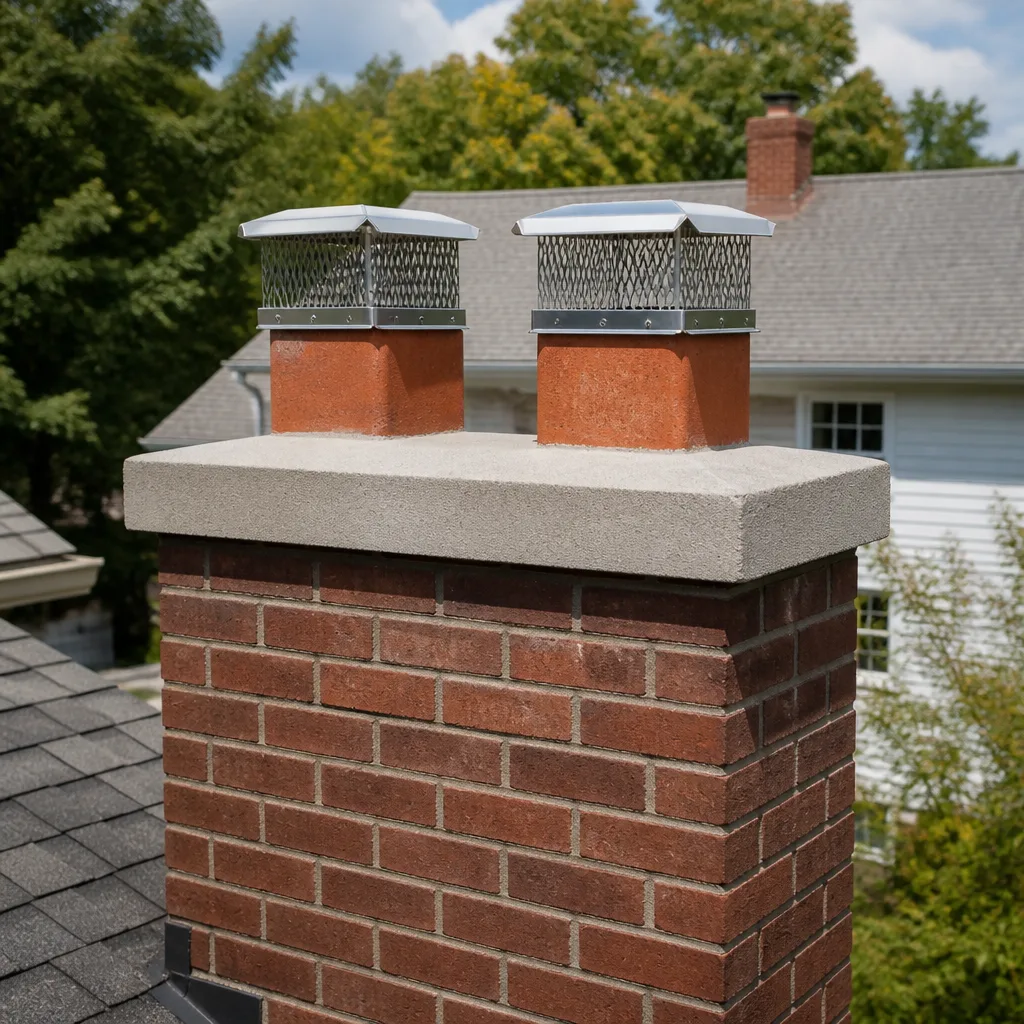 Caps & crowns
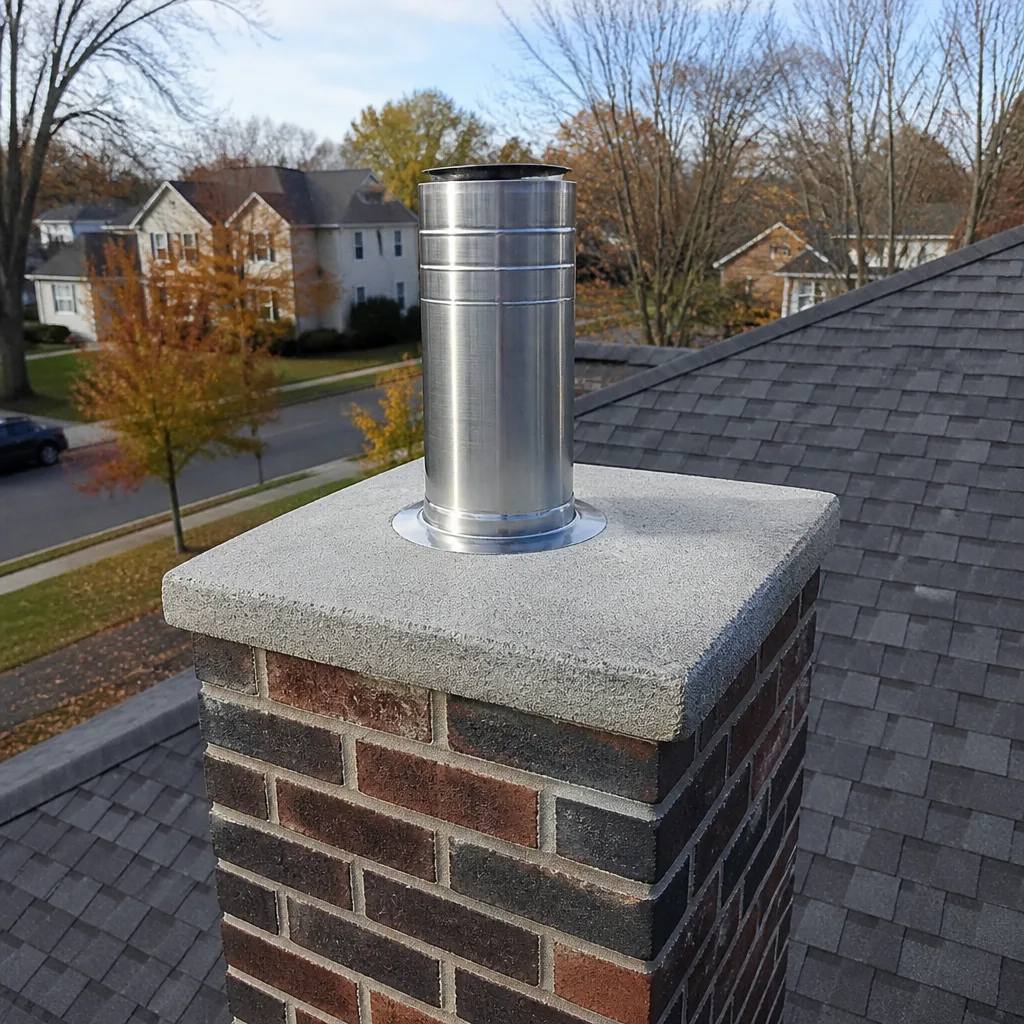 Flue relining
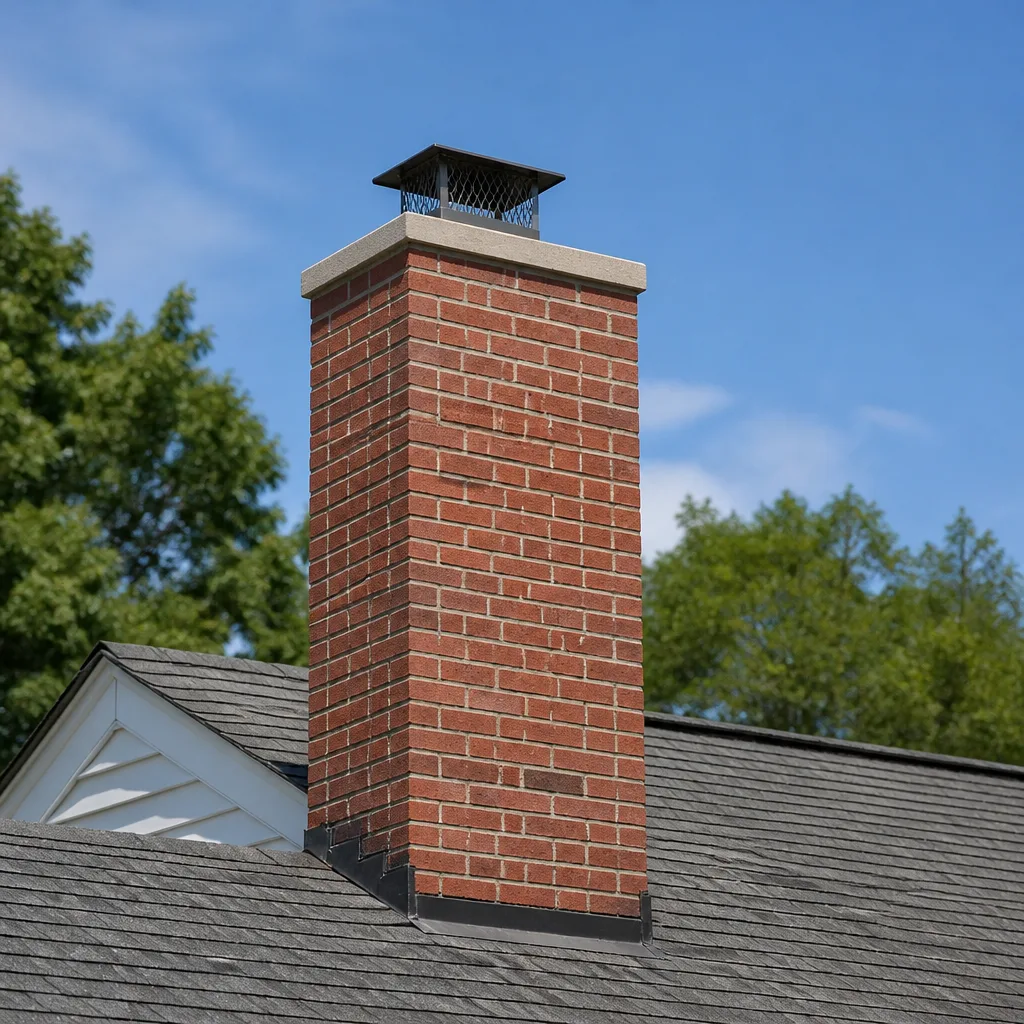 Masonry repair
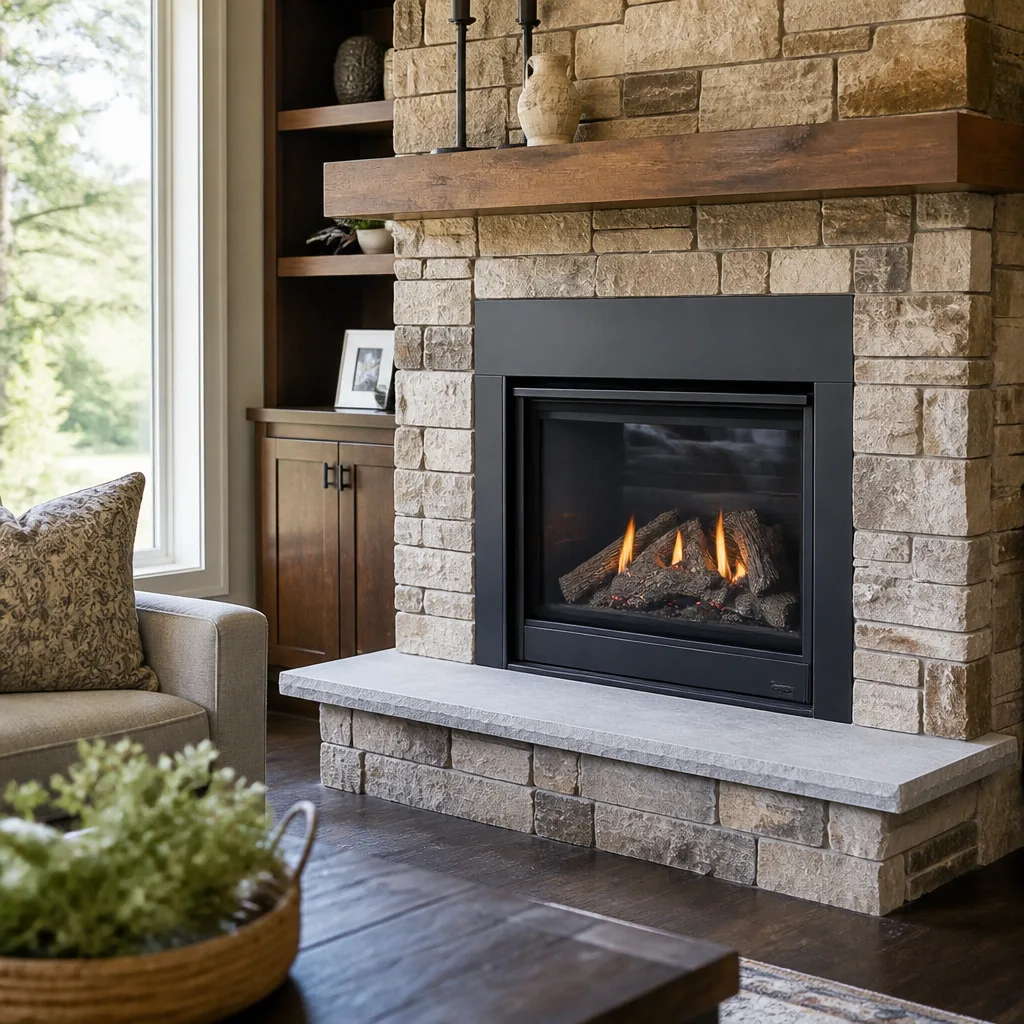 Gas fireplace service
Level 1 sweep and inspection to the NFPA 211 annual standard - flue, crown, cap, and flashing checked and photographed
Chimney sweep logs do not sweep chimneys. They loosen some creosote - which then falls where a brush and vacuum still have to collect it.
How to Hire a Chimney Cleaning Contractor in Goodyear: A Step-by-Step Guide
Most homeowners here shop for a chimney sweep the same way they shop for a haircut: lowest price wins, and the person who shows up gets the benefit of the doubt. That habit costs people real money, because the market in Goodyear is crowded with companies that treat chimney cleaning as a sideline. HVAC contractors, handymen, and roofing crews all advertise “chimney cleaning” without the credentials, tools, or trade-grade materials a specialist carries. This guide gives you a vetting framework built on things you can verify yourself: certification you can look up, questions you can ask before booking, and an estimate you can actually read.
Quick Answer
To hire a chimney cleaning contractor in Goodyear, verify the technician’s CSIA certification on the CSIA public database, ask five specific questions about inspection and cleaning methods before you book, and insist on a written condition report with photo or camera evidence. A low price without documentation is a warning sign, not a bargain. A specialist company should answer every question without hesitation and hand you a report you can read.
Styles & brands we work with
- Sweep & inspection
- Caps & crowns
- Flue relining
- Masonry repair
- Gas fireplace service
Table of Contents
- Three Red Flags That Appear on Real Bids and Three That Don’t
- What CSIA Certification Actually Means and How to Verify It
- The Five Questions to Ask Before Scheduling
- Why Low-Bid Cleaning in Goodyear Skips the Smoke Chamber
- How to Read a Written Chimney Estimate
- Chimney Company vs. Chimney Sweep Service: Why the Difference Matters
- What Material Brands Tell You About a Contractor
- Common Mistakes to Avoid
Three Red Flags That Appear on Real Bids and Three That Don’t
Homeowners assume a red flag looks like a red flag. In practice, legitimate bids contain things that sound alarming on first read, and fraudulent or careless bids contain things that sound reassuring. Learning to tell them apart is the whole skill.
Real flags, the ones a competent contractor puts on paper honestly:
- A recommendation for repair work. A real inspection often finds deteriorated liner sections, a cracked crown, or a failed damper. A bid that recommends repair is not automatically a scam, and the contractor should be able to show you the evidence in photos or on camera before you agree to anything.
- Language about what the work does not include. Professional bids are specific about scope limits. That is a sign of a contractor who knows where their responsibility ends.
- A note that access matters. Real bids account for roof pitch, cap type, and whether the flue can be reached safely. Generalists skip this because they haven’t thought about it.
Flags that should make you nervous, even though they sound fine:
- An unusually low flat rate with no mention of inspection. If an $89 cleaning includes neither a camera inspection nor a written condition report, you’re paying for a brush and a promise.
- Vague reassurance in place of specifics. A bid that says the chimney “looks good” without documentation is not an inspection.
- A hard same-day push to authorize repair. Repairs should be backed by evidence you can see. Urgency without evidence is a sales tactic, not a service finding.
If you’re in Canyon Trails or Palm Valley and you’ve received a bid you can’t interpret, that’s exactly the situation where a chimney repair second opinion makes sense before you spend money on anything.
What CSIA Certification Actually Means and How to Verify It
CSIA stands for the Chimney Safety Institute of America. It is a credential earned through testing and continuing education, and it is the credential most chimney professionals consider the floor for legitimate work. A CSIA-certified sweep has passed an exam on inspection standards, cleaning methods, and venting science. That’s the difference between a technician who has studied chimney construction and one who was handed a brush on a Tuesday.
Here’s the important part: the logo on the website means nothing until you check the database. Any company can put a badge on a page. The CSIA maintains a public, searchable directory of currently certified sweeps. Verifying takes two minutes.
- Ask the company for the name of the technician who will actually perform the work on your chimney.
- Open the CSIA public database and search that name.
- Confirm the certification is current, not expired.
- Confirm the certification belongs to the person doing the job, not just a name on the company’s marketing.
If a company can’t or won’t give you a technician name before the appointment, that’s your answer. In our experience, companies that skip this step are usually the ones adding chimney cleaning as an upsell to HVAC or roofing work. They may be perfectly competent at their actual trade. That’s not the same as being competent in yours.
A CSIA-certified sweep also carries liability insurance, which matters. Chimney work happens on roofs and inside your home. Ask for the certificate of insurance and read the name on it. If it doesn’t match the company coming to your door, ask why.
The Five Questions to Ask Before Scheduling
These five questions are designed to surface whether you’re talking to a specialist or a generalist. A specialist answers them without rehearsing. A generalist gets creative.
- Will you use a camera to inspect the flue? The right answer is yes, and it’s part of the inspection.
- What brush system do you use, and why? The answer should reference the flue type and liner material. Poly brushes for some liners, more aggressive methods for others. A technician who says “whatever’s on the truck” has not thought about your chimney’s construction.
- How do you dispose of the creosote and soot you collect? The answer should be specific and contained. Vacuums with HEPA filtration and sealed bagging are standard for specialists. If you don’t hear about containment, expect your living room to be the containment.
- What documentation do I receive when you leave? The answer should include a written condition report, and ideally photos or video of what was found. If documentation isn’t offered, ask for it in writing and see how the company responds.
- Who carries the liability insurance, and can I see the certificate? This is not a rude question. It’s a professional one, and every legitimate contractor expects it.
A sixth question is worth adding if you’re in Estrella or Sarival: does the company handle inspection, cleaning, and repair under one roof? Because a company that only sweeps will hand you a repair referral the moment the cleaning turns up a problem, and that referral is often to a generalist who will do the repair without documentation.
If you want a sense of what a proper visit looks like, the chimney sweep page covers the process in detail.
Why Low-Bid Cleaning in Goodyear Skips the Smoke Chamber
The smoke chamber is the sloped area directly above the damper and below the flue. It’s part of the path your smoke travels. Creosote accumulates there because the sloped surfaces slow airflow, and that accumulation is where glazed creosote forms most often.
Glazed creosote is the dangerous kind. It’s dense, hard, and burns hot. It’s also the hardest to remove, which is exactly why the low-bid sweep skips it. Brushing a smoke chamber takes time, specialized tools, and the willingness to get up inside the firebox. A “clean” that ignores the smoke chamber is a brush pass over the visible part of the flue. The dangerous part is still there when the technician leaves.
This matters in Goodyear specifically because of how people here use their fireplaces. Winters are mild, so fireplaces get used in short bursts, then sit idle for months, then get used heavily during a cold snap. Creosote layers build unevenly when a chimney is used that way. A chimney that sat through a long summer and then got hammered in December doesn’t look the same inside as one used every night through a cold season.
The fix is straightforward. Ask any company you’re considering whether their sweep includes the smoke chamber. Ask specifically. A specialist will give you a specific answer. A generalist will use the word “thorough” and change the subject.
Two signs that cleaning turned up something worth a closer look: smoke spills into the room when you light a fire, and you can smell creosote in the house even when no fire is burning. Either one calls for inspection, not another cleaning. More on the full range of Goodyear chimney conditions below.
How to Read a Written Chimney Estimate
Most homeowners read the bottom number and stop. The line items above it are where the real information lives. Here’s how to read an estimate the way a contractor reads it.
Line items that should always appear on a legitimate cleaning and inspection estimate:
- Inspection type. The estimate should say whether it’s an inspection performed with a camera, and whether it’s a condition report or something deeper. Level 1, 2, and 3 inspections mean different things, and the report should say which one you’re getting.
- Scope of cleaning. The estimate should specify the flue, the firebox, the smoke chamber, and the damper. If those words aren’t there, assume they’re not included.
- Containment method. What gets protected, what gets vacuumed, and how creosote leaves the property.
- Documentation. What report you receive, and when.
- Exclusions. What the estimate does not cover. Repairs turned up during the sweep should be a separate, separate-authorization item.
Vague language that signals a generalist wrote it:
- “Standard sweep.” What standard? Whose?
- “Minor repairs as needed.” Authorized by whom, at what price, with what evidence?
- “Cleaning as necessary.” Necessary by what measure?
Pricing is legitimately set per job and confirmed by the written estimate, not over the phone. An estimate that commits to a number before anyone looks at the flue is an estimate betting against the condition of your chimney. When you have a written estimate in hand and want to compare it against a second read, we’ll put the findings side by side with what a specialist found. That’s how the whole document gets easier to understand.
Chimney Company vs. Chimney Sweep Service: Why the Difference Matters
A chimney sweep service cleans. A chimney company inspects, cleans, and repairs. In Goodyear, the distinction shows up the moment cleaning turns up a problem.
With a sweep-only service, the workflow breaks at the repair. The sweep finds a deteriorated liner section, hands you a referral, and drives away. The referral may go to a generalist contractor, or to a second company that will re-inspect (and re-charge) before quoting. Now you’re coordinating between two certified companies, two schedules, and two sets of documentation. The estimate for the repair often shows up without the evidence from the original inspection attached to it.
With a full-service company, the workflow stays intact. The inspection uncovers the problem. The cleaning removes the hazard. The repair corrects the structural issue, using the same documentation that surfaced it. That continuity matters for accountability: when the same company did the inspection and the repair, there’s no gap in the record where a misdiagnosis can hide.
This is the model Goodyear Chimney Sweep works from. Inspected, cleaned, and repaired by one specialist team, start to finish. No handoff, no finger-pointing between contractors when a liner turns out to be worse than the first company thought.
It also matters for the customer who has already received a vague repair estimate elsewhere. A company that handles all three phases can re-inspect, document the findings with a camera, and tell you what’s actually wrong. Sometimes the answer is that nothing needs doing right now, and the work can safely wait. That answer only comes from someone with no reason to inflate the quote.
What Material Brands Tell You About a Contractor
When a chimney repair company names the brands it uses, it’s telling you something specific: whether it buys from big-box retail or from professional trade suppliers. Those supply chains are different, and the products are not the same.
Gelco products cover caps, dampers, and ventilation components. The quality of a cap matters because a failed cap lets water into the flue, and water does more damage to a chimney over time than fire does. Olympia Chimney supplies professional-grade liner components. Copperfield and Famco are recognized names in the trade, and their products show up in professional installations where the contractor expects the component to last.
The brand that matters most for older homes is HeatShield. It’s a proprietary liner resurfacing system, and certified applicators can restore a deteriorating liner without a full reline in qualifying cases. That’s a specific, modern repair option most generalist contractors cannot offer because they don’t have the certification or the material. For a homeowner facing a quote for a full reline on a liner that only has localized deterioration, HeatShield resurfacing is worth asking about before authorizing the bigger job.
DuraFlex flexible liner systems matter when the chimney has bends, offsets, or older masonry configurations that a rigid liner cannot navigate. Older Goodyear homes have these layouts. A company that only stocks rigid liners will quote a rigid liner whether or not your chimney is suited for one.
We specify materials by name because the brand behind the product matters. When a company replaces a damaged cap, the difference between a trade-grade cap and a retail one shows up years later.
Common Mistakes to Avoid
- Booking on price alone. A cleaning that skips the smoke chamber is cheaper for a reason. Ask what’s included before you compare numbers.
- Accepting a repair estimate without evidence. If the recommendation isn’t backed by photos or camera footage you can see, ask to see it before you agree to anything. In desert climates like Goodyear’s, chimney conditions can vary widely street by street, and no honest specialist is afraid to show you what they found.
- Assuming a logo on a website means certification. Check the CSIA database yourself. Two minutes of verification is worth more than any badge.
- Skipping the inspection because the cleaning “went fine.” A cleaning without an inspection tells you the flue got brushed. It doesn’t tell you the liner is sound, the crown is intact, or the damper is functioning.
- Paying for the “cleaning” and assuming it included a report. If documentation wasn’t discussed before the appointment, it probably wasn’t part of the service.
- Using the fireplace heavily during our mild winters without an annual check. Short bursts of heavy use followed by long idle periods lay down creosote unevenly. If you can’t remember your last inspection, that’s your sign.
- Authorizing repair work based on a phone conversation. Chimney repairs should be quoted on the written estimate after a documented inspection, with the evidence attached. Not before.
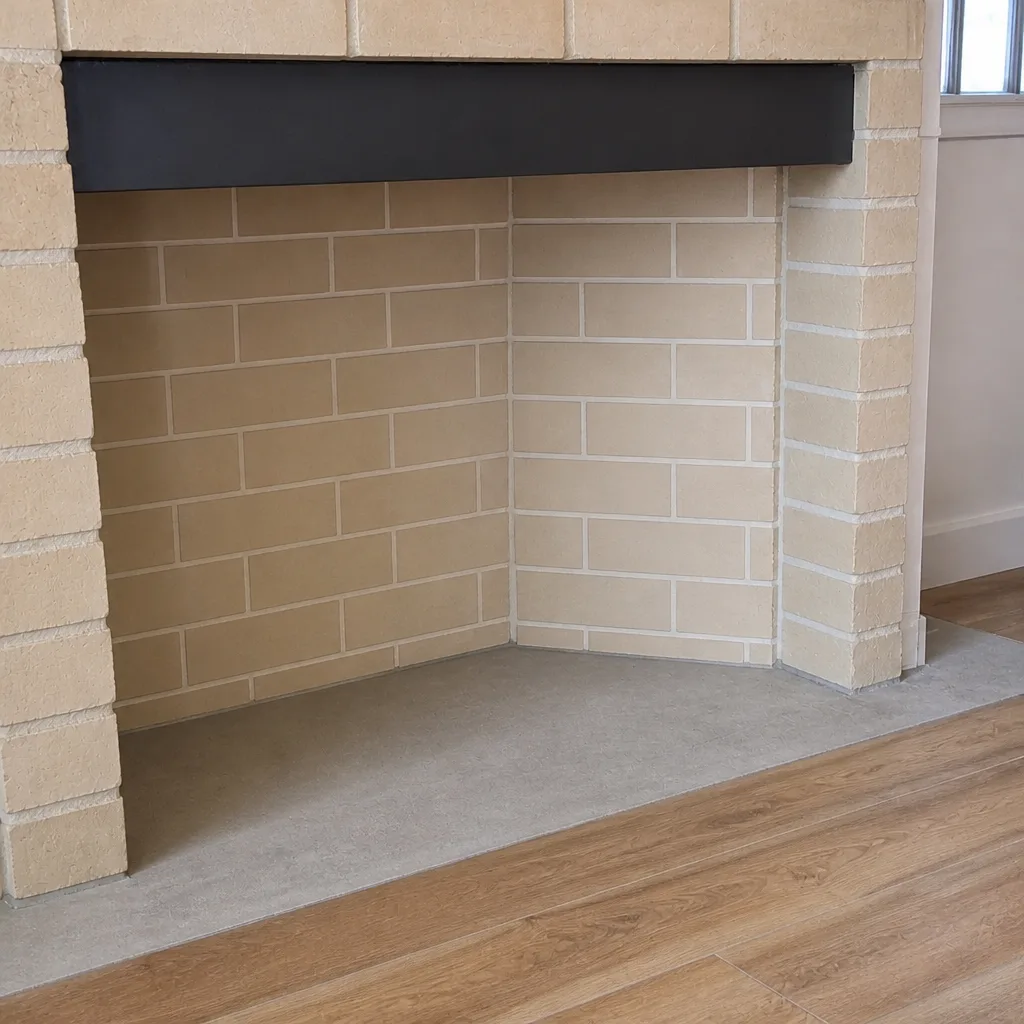
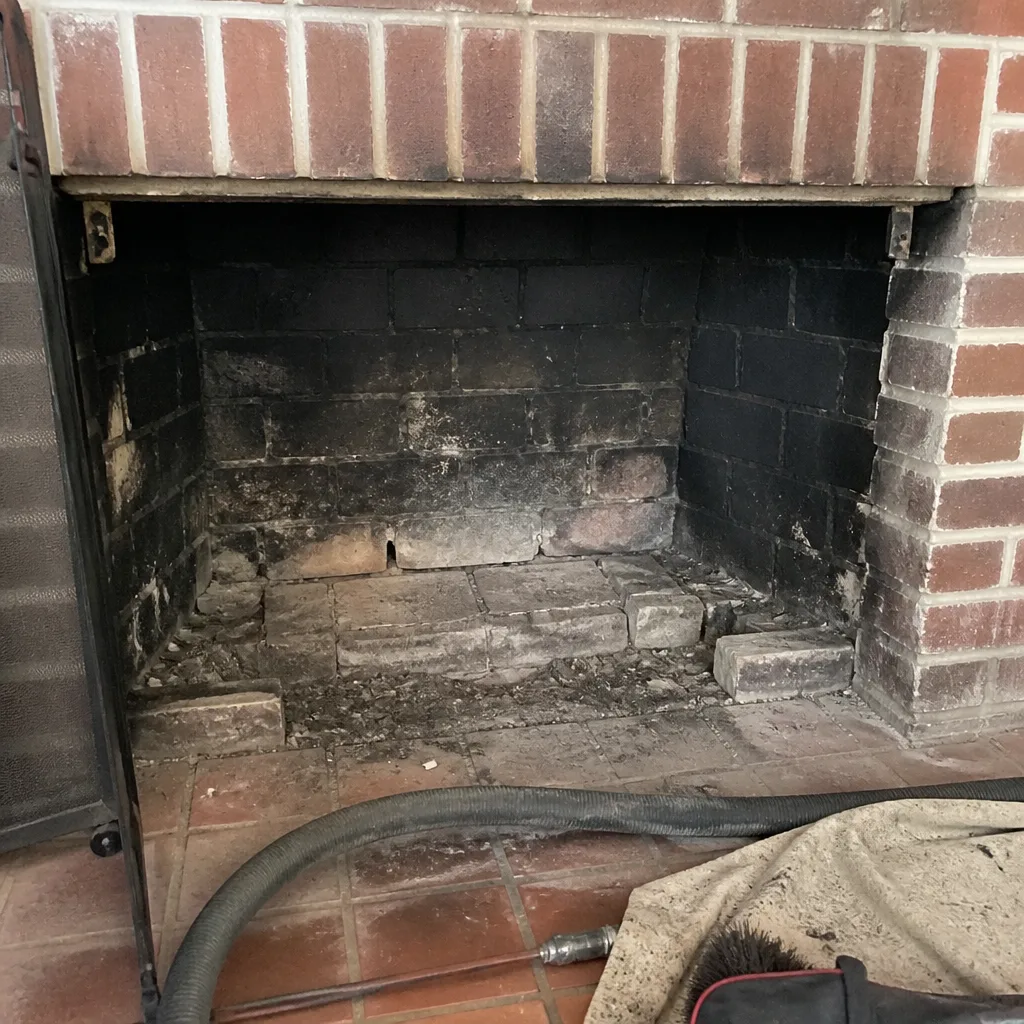
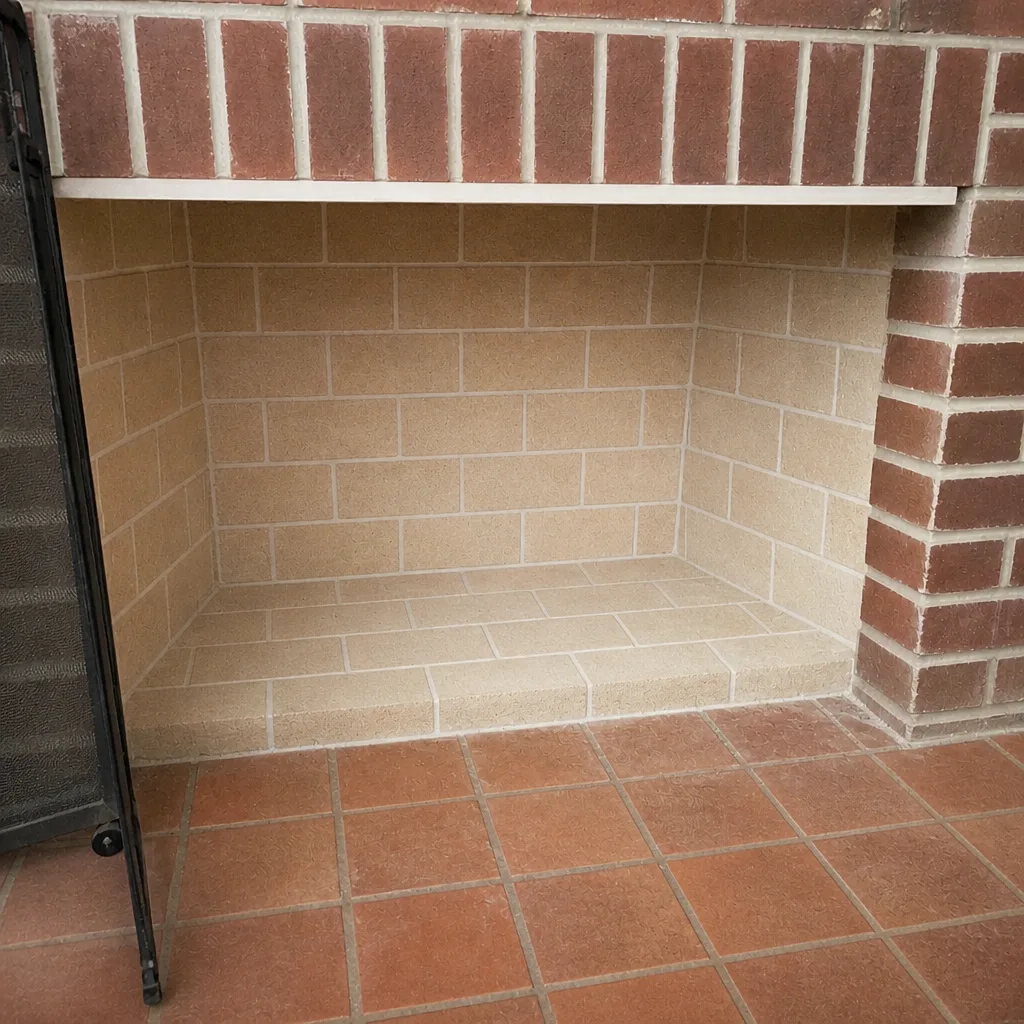
See the difference
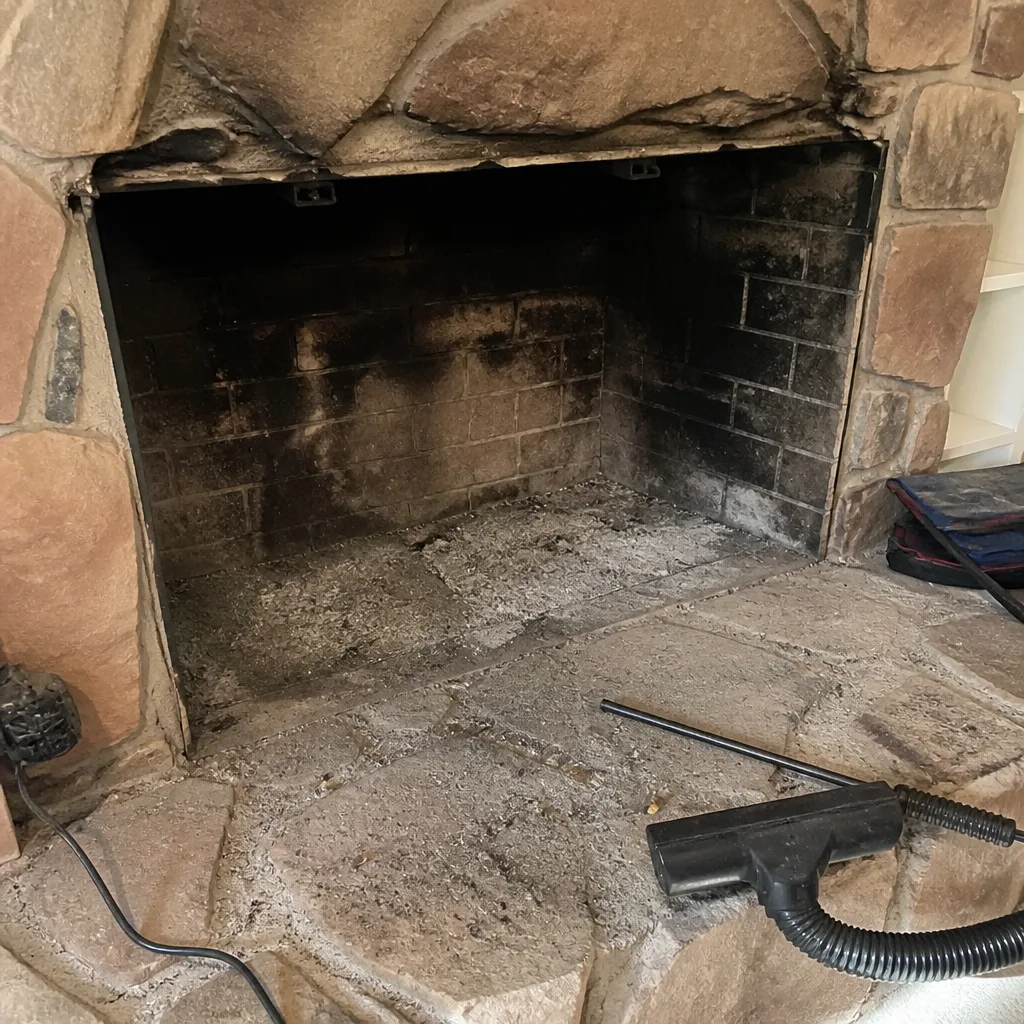 Before
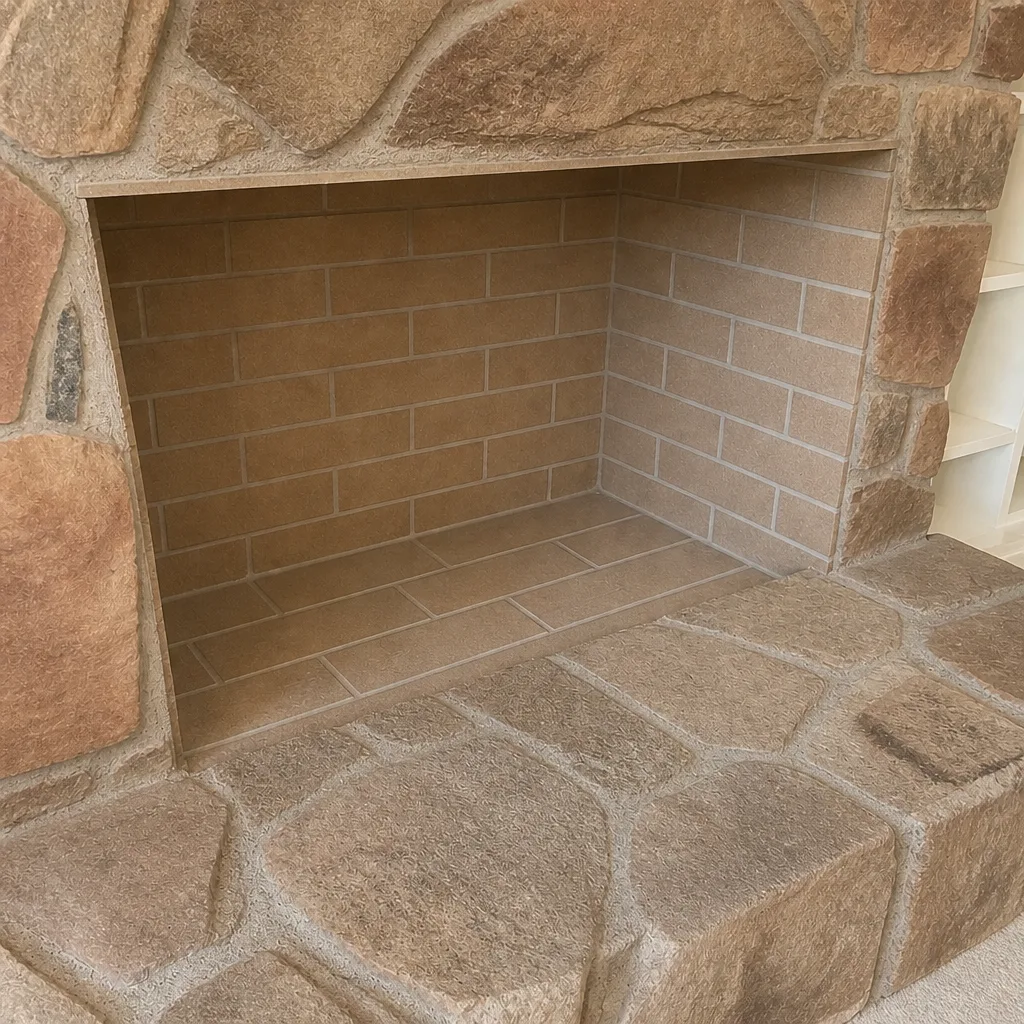 After
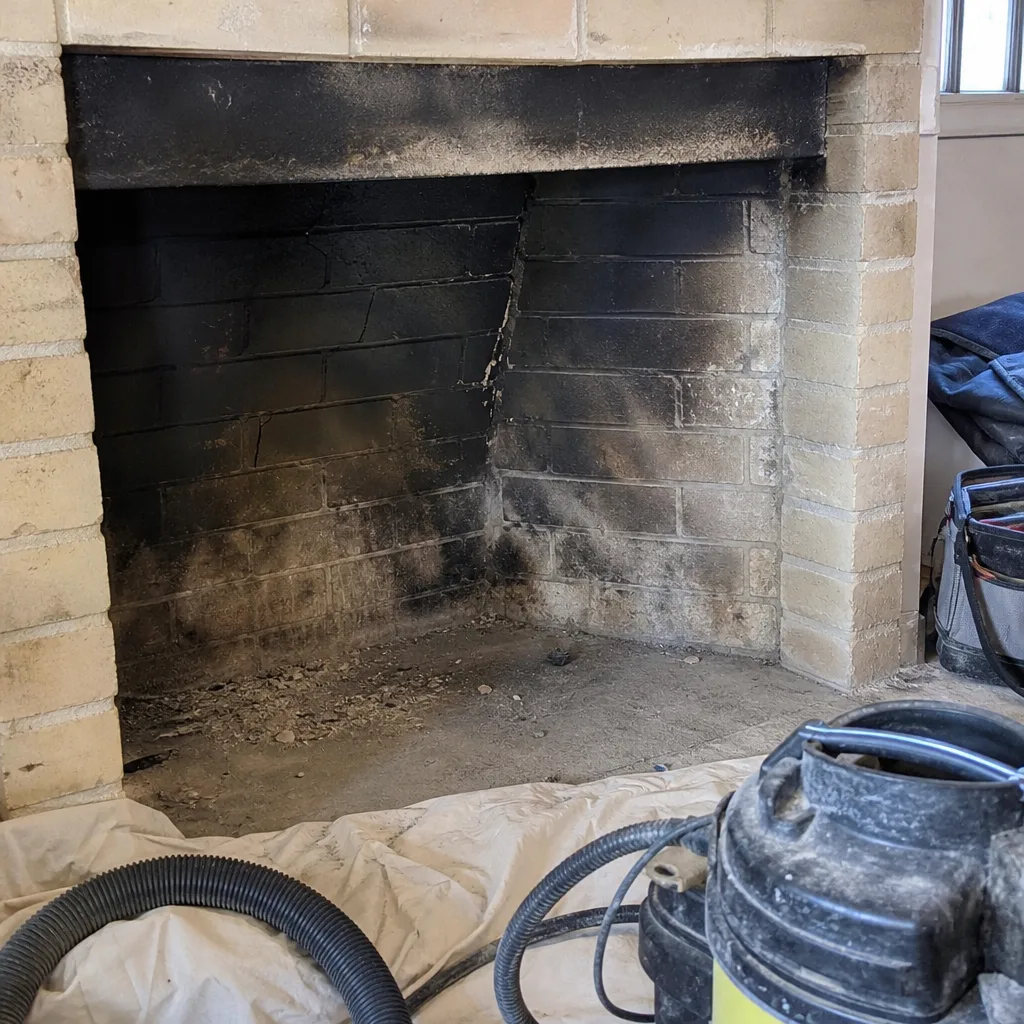 Before
 After
 Before
 After
When to Call a Professional
Call a chimney professional when you notice smoke backing into the room instead of going up the flue, when creosote odor is present in the house with no fire burning, or when you see visible cracks in the firebox masonry, the crown, or the visible portion of the flue. Call if the damper won’t open or close smoothly, if water is getting into the firebox, or if your last inspection is older than the recommended interval for your usage.
Call immediately if a chimney fire has occurred, even if it appeared to go out on its own. Chimney fires damage liners and masonry in ways that are not visible from the outside, and the damage doesn’t announce itself until the next fire.
Goodyear Chimney Sweep offers free estimates in Goodyear. Call (866) 361-8426. We answer 24/7. Fast dispatch from 7am to 7pm, Sunday through Friday.
Frequently Asked Questions
Most wood-burning chimneys should be inspected annually, and swept when the inspection shows enough creosote buildup to warrant it. In Goodyear, where fireplaces are used in short bursts and idle for long stretches, the inspection is often the more useful appointment. Call (866) 361-8426 for an exact scheduled visit. Estimates are free.
Creosote accumulates. That’s the whole story, and it’s enough. Over time the deposits harden into glazed creosote, which is the kind that burns hot and is the most common cause of chimney fires. A blocked flue also backs carbon monoxide into the living space instead of venting it outside. The risk builds quietly and gives no warning until it doesn’t. Call (866) 361-8426 to get on the schedule. Estimates are free.
Pricing is set per job by the written estimate after the technician sees the flue, because condition, access, and flue type all change the scope. That’s why a committed phone price isn’t a real estimate. Ask for the written estimate and read the line items, not just the total. Call (866) 361-8426 for an exact quote. Estimates are free.
Maybe, but not always. The answer depends on what the camera shows. Localized deterioration can sometimes be addressed with HeatShield liner resurfacing instead of a full reline, and a full reline is warranted when the damage is broader or the existing liner is the wrong type for the appliance. Ask whether resurfacing is an option before you authorize replacement. Call (866) 361-8426 and we’ll walk you through what the inspection found. Estimates are free.
Ask the five questions above. A specialist answers them specifically and without hesitation. A generalist gets vague about brush systems, deflection about camera use, and noncommittal about documentation. The verbal hesitation on the phone is usually the same hesitation that shows up on the written estimate. Call (866) 361-8426 for a straight answer on any of them. Estimates are free.
CSIA certification is a credential earned by passing an exam on chimney inspection, cleaning, and venting practice, and it’s the standard most chimney professionals recognize as the floor for legitimate work. It matters because it’s verifiable: the CSIA maintains a searchable public database. Look up the technician’s name yourself before the appointment. Call (866) 361-8426 if you want our certification details ahead of scheduling.
The Bottom Line
Hiring a chimney cleaning contractor in Goodyear comes down to verification. Check the CSIA database for the technician’s name. Ask the five questions before booking. Read the written estimate for line items, not just the total. And understand the difference between a sweep who cleans and a company that inspects, cleans, and repairs: the specialist is the one still accountable when the cleaning turns up a problem. A clean chimney is the starting point. A structurally sound one is the goal.
Ready to schedule? Call (866) 361-8426 for a free estimate. We answer 24/7. Fast dispatch from 7am to 7pm, Sunday through Friday.
Written by the team at Goodyear Chimney Sweep.