
Last updated November 15, 2026
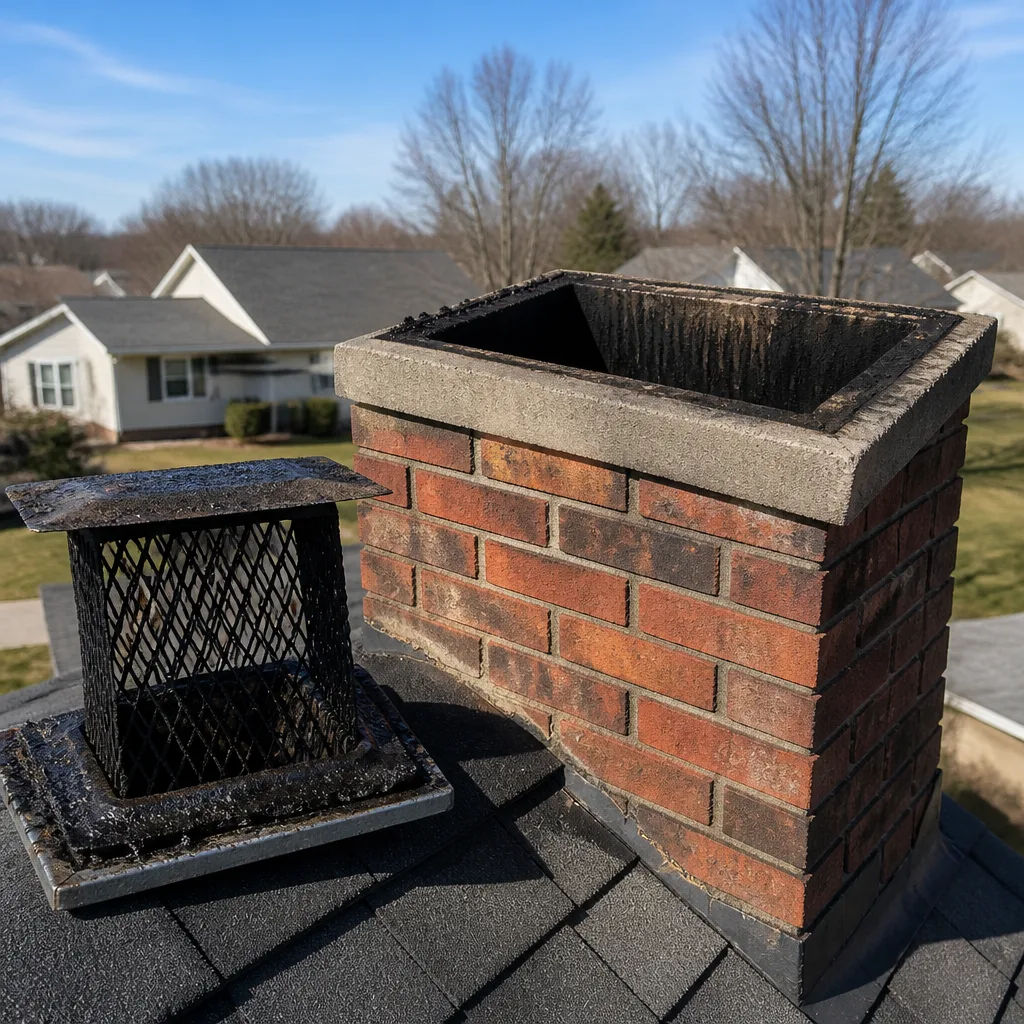 Sweep & inspection
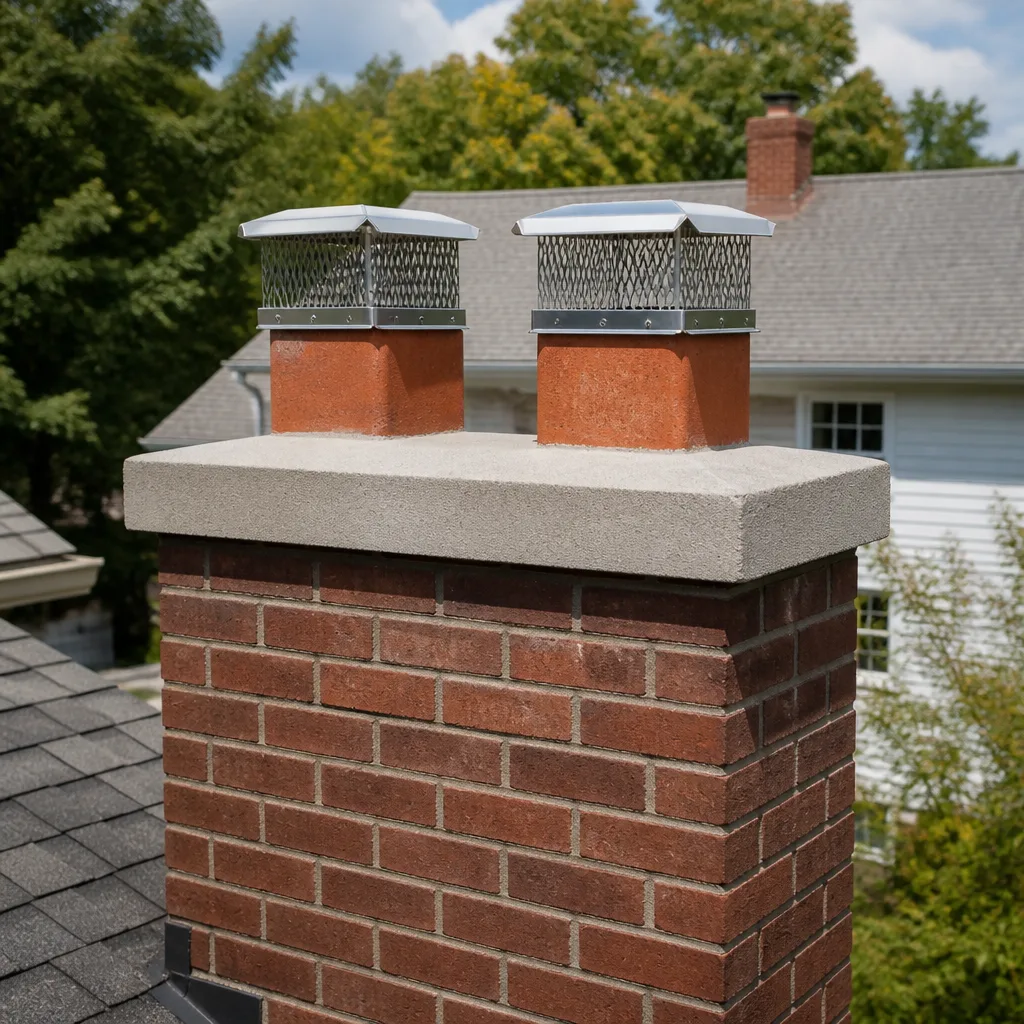 Caps & crowns
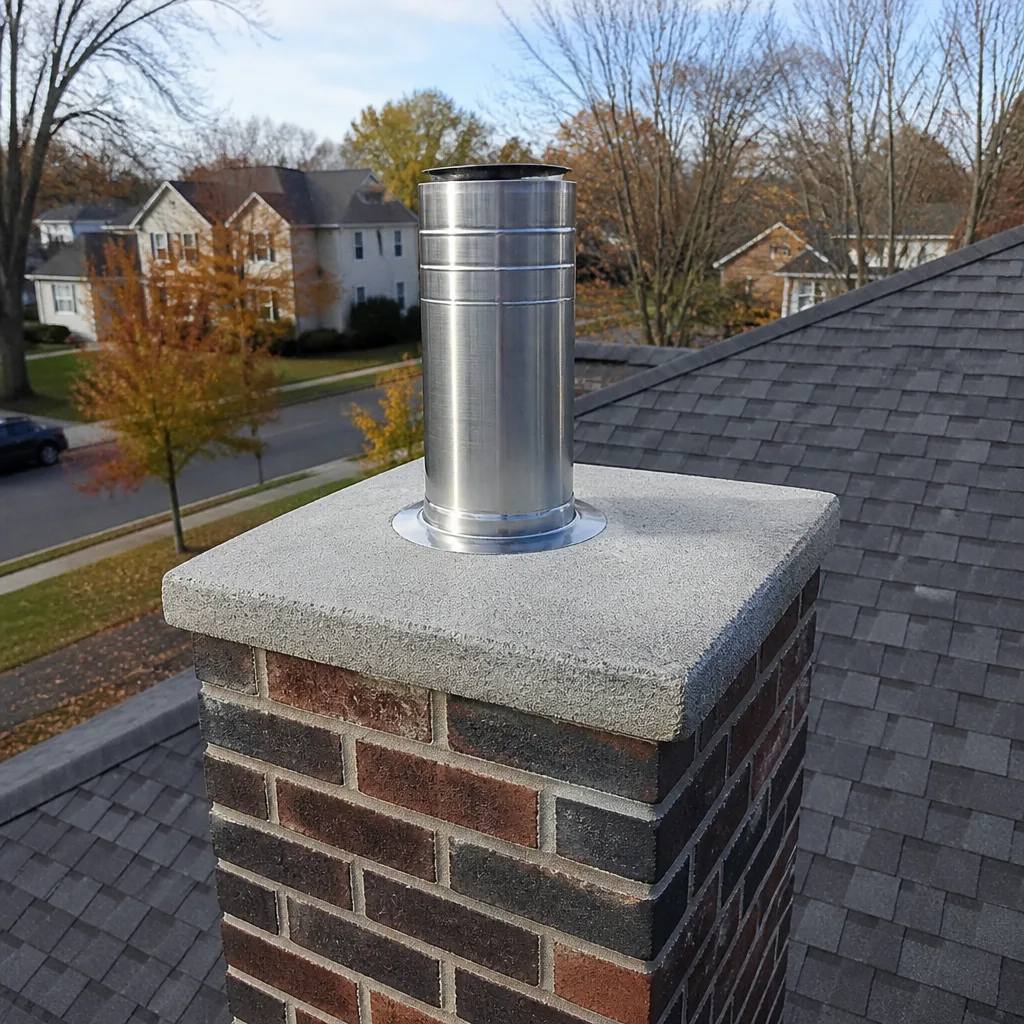 Flue relining
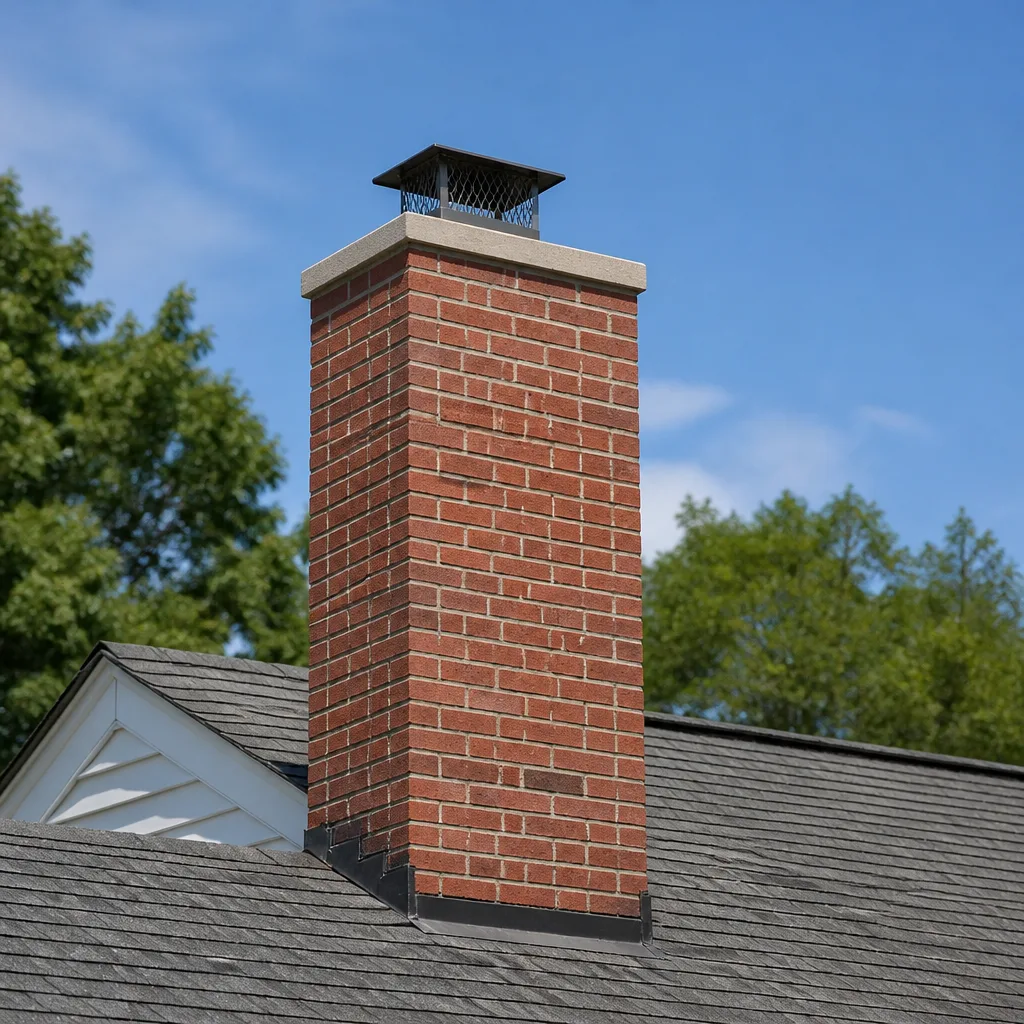 Masonry repair
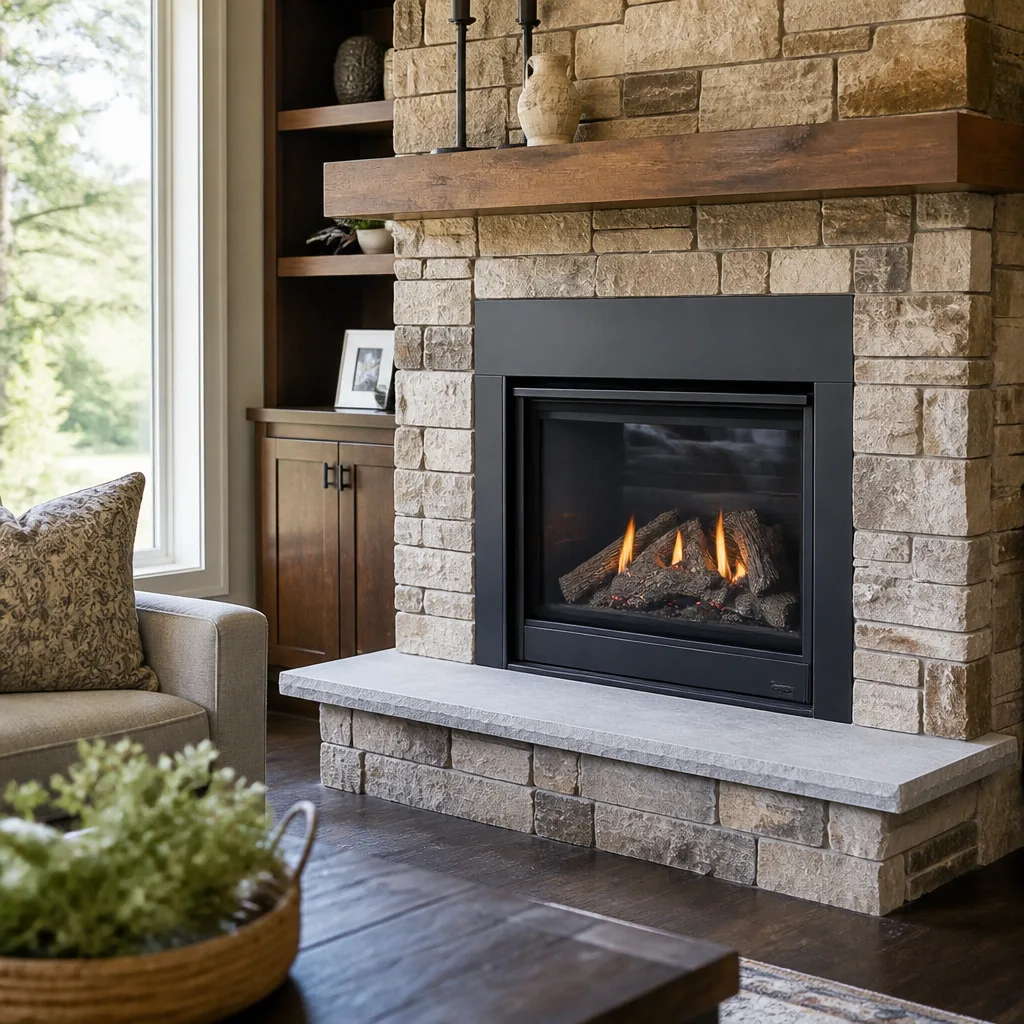 Gas fireplace service
Level 1 sweep and inspection to the NFPA 211 annual standard - flue, crown, cap, and flashing checked and photographed
Chimney sweep logs do not sweep chimneys. They loosen some creosote - which then falls where a brush and vacuum still have to collect it.
Seasonal Chimney Cleaning Care for Goodyear: Year-Round Homeowner’s Guide
October through February is fireplace season in Goodyear. That’s roughly 120 days. The other 245 days aren’t downtime for your chimney – they’re when heat stress, pest intrusion, and monsoon moisture do their damage unchecked. Most homeowners treat chimney care as a fall ritual: sweep it once, light the first fire, forget about it until next year. That approach works in a climate with one long winter. Goodyear doesn’t have one. It has a burn season, a heat season, and a monsoon season, and each one leaves a different mark on masonry, liners, and flashing. This guide walks through the full Goodyear calendar, month by month, so you know what your chimney is doing in July even when the hearth is cold.
Quick Answer
Chimney care in Goodyear runs on two real seasons – monsoon and burn season – and the highest-value service window is the gap between them, roughly September into early October. A post-monsoon, pre-burn inspection and sweep catches water damage from summer storms and clears creosote before the first fire, so problems are found while there’s still time to repair them. Spring cleaning works too, but it means burning on a chimney that sat through monsoon season without a look.
Styles & brands we work with
- Sweep & inspection
- Caps & crowns
- Flue relining
- Masonry repair
- Gas fireplace service
Table of Contents
- Why the Goodyear Calendar Doesn’t Match the National One
- Winter (October-February): Burn Season in Goodyear
- Spring (March-May): The Post-Season Cleaning Window
- Summer (June-August): What 115°F Heat Does to Chimney Components
- Monsoon (July-September): Water, Flashing, and Efflorescence
- The Annual Scheduling Logic: Why September-October Wins
- What a Seasonal Inspection Actually Checks
- Common Mistakes to Avoid
- When to Call a Professional
- Frequently Asked Questions
Why the Goodyear Calendar Doesn’t Match the National One
Most chimney-care advice you’ll read online was written for a place with a hard freeze and a five-month heating season. Goodyear isn’t that place. Winters here are mild. Fires get lit in the evening and on cool mornings, not for weeks on end. The chimney never sits in deep cold, and it never gets the long, slow, cold-season cure that masonry in other regions relies on. What it gets instead is intense summer heat, a concentrated rainy season, and a burn season that’s short and sporadic.
That rhythm changes what actually matters. In a cold climate, the enemy is freeze and thaw working on saturated brick. Here, the enemy is heat and water: 115°F afternoons baking the top of the chimney, then monsoon rain hitting a hot structure that’s already expanding and contracting through the day. Mortar joints take the brunt of it. So do the elastomeric sealants around flashing, which dry out faster in desert sun than most people expect.
Every chimney is different, so we don’t apply a one-size calendar to every home in Goodyear. A masonry chimney on a 1980s house and a prefab metal unit on a newer build in Estrella or Palm Valley fail in different ways at different times of year. But the seasonal pattern – what to watch in winter, spring, summer, and monsoon – holds for nearly every chimney in the city. That pattern is what this guide is built around.
Winter (October-February): Burn Season in Goodyear
Burn season in Goodyear is short. That’s a benefit in one way – less total wood burned means less total creosote – but it also creates a problem: because the season is short, people skip mid-season checks. A fireplace that gets used 40 or 50 times between October and February builds creosote just like one up north. It just builds it in fewer weeks.
Track your burn frequency, not the calendar
Creosote accumulates by fire count and burn quality, not by month. What we’ve seen is that a wood-burning fireplace used nightly through the cool months needs attention well before the season ends; one used occasionally can go the whole winter on a clean flue if the wood is dry and the draft is good. The simplest habit is a tally: a small note on the mantel, a mark for every fire. When you get to about 15 fires, that’s the point to think about the flue.
The 15-fire creosote stage check
Around 15 fires is where stage-one creosote – the light, sooty, flaky stuff – typically starts to build a visible layer. Stage one is sweepable and easy to remove. Stage two is denser and glazed, and stage three is hard, tar-like, and difficult to clear. Catching it at stage one, mid-season, keeps a routine cleaning routine. Letting it go two seasons usually doesn’t.
You can’t diagnose creosote stage from the firebox floor. The buildup sits higher in the flue where the gases cool, and the only reliable way to see it is a camera inspection or a sweep. If you’ve counted 15 fires and the glass is hazing or you’re smelling smoke at the top of the fire, call the question.
Damper seal performance
In Goodyear, the damper does double duty. It’s open during fires and closed the rest of the day, and in a mild winter, the fireplace may be open and closed many times. A damper that doesn’t seal is an energy leak in summer and a draft problem in winter. Check it in January or February – open it, close it, feel for sticking, look for a gap around the edge. If it clanks shut without resistance and you can feel air moving through when it’s closed, the gasket or the damper frame is the likely culprit. Gelco dampers and top-sealing assemblies are what we fit when a residential damper is past adjusting.
Spring (March-May): The Post-Season Cleaning Window
March through May is the second-best window for a cleaning in Goodyear – and it’s the one most homeowners actually use. The fires are done, the mornings are still cool, and there’s time before the heat arrives. A spring cleaning clears the winter’s creosote, gives you a look at the structure before summer, and catches problems while you have months to schedule repair instead of fighting a fall backlog.
Spring is also when it pays to think about the smoke chamber. The smoke chamber is the tapered section above the damper and below the flue, and it’s a common blind spot. It’s sloped, it collects soot, and the corbelled masonry in older chimneys can be rough enough to trap creosote that the flue sweep never reaches. A proper chimney sweep includes the smoke chamber, and if the chamber walls are damaged or the corbelling is breaking down, that’s a repair question rather than a cleaning one.
Why spring is the right time to assess smoke chamber resurfacing
HeatShield resurfacing restores the smoke chamber and flue lining from the inside. It’s a modern option for a liner that’s deteriorating but still structurally sound enough to be worth saving. It’s also a decision that’s much easier to make in spring, when there’s no urgency, than in October when the first cool night is coming and every chimney service in Goodyear is booked. If your inspection report in spring shows a liner that qualifies for HeatShield, you have months to schedule it. If it shows a liner that needs a full reline, you have months for that too.
- Post-season sweep: clears winter creosote before it sits all summer.
- Smoke chamber check: catches soot and damage above the damper.
- Cap inspection: looks for cracked or missing caps, bird nests, and pest entry.
- Crown inspection: checks the concrete crown for cracks before the heat season opens them further.
- Liner assessment: identifies whether resurfacing, relining, or no action is appropriate.
Cap and crown: small parts, big consequences
The chimney cap takes the full brunt of the Arizona sun, and in our experience it’s the component most likely to fail silently. A cap with a cracked lid or a failed screen lets water in during the first monsoon and invites birds and squirrels all summer. Famco caps and Gelco venting components are what we use because they hold up to heat and UV better than the big-box caps that get screwed on and forgotten. The crown – the sloped concrete top of a masonry chimney – matters just as much. A hairline crack in March becomes a water channel by August. Catching it in spring is a reseal. Catching it in October is usually a rebuild.
Summer (June-August): What 115°F Heat Does to Chimney Components
Summer is the season most homeowners assume nothing happens to a chimney. In Goodyear, the opposite is true. June through August is when heat stress does most of its annual damage, and it’s also, counterintuitively, the season a thorough inspection is most likely to find structural issues.
When exterior temperatures climb to 115°F, the top of the chimney is hotter than that in direct sun. Masonry absorbs heat through the day and gives it back slowly at night. That daily expansion and contraction cycle runs every day for months, and it works on mortar joints the whole time. Joints that were fine in April can be visibly cracked by September. The same cycle stresses the metal components of a prefab chimney – flue sections, the cap, the storm collar – and it’s why summer inspections tend to turn up things spring inspections missed.
Why summer inspections find more structural problems
Inspection is a comparison against a baseline. When we inspect in the middle of summer, we’re looking at the chimney at the peak of its annual stress, and cracks, gaps, and failed seals read more clearly than they do in a cooler month. The heat has already opened them. That’s why summer is a good time to schedule an inspection if you didn’t do one in spring – the structure is showing what it’s been doing all season. It also gives you a realistic repair list well before the fall rush.
Attic heat and prefab chimney components
Most prefab chimneys in Goodyear run through an attic space that gets brutally hot in June, July, and August. Attic temperatures on a summer afternoon can run far above the outside air. The prefab flue doesn’t care much about attic air temperature in itself, but the components around it – framing clearances, firestop assemblies, insulation contact – are specified to work under certain conditions, and heat pushes those clearances. A summer inspection includes the attic run, not just the roof and the firebox. If the installer’s clearances were tight to begin with, summer is when a problem shows up.
Monsoon (July-September): Water, Flashing, and Efflorescence
Monsoon season overlaps the back half of summer and runs into September. For a chimney, rain is the single most destructive force in the Goodyear year. Masonry absorbs water, holds it, and dries slowly. Water that gets in through flashing, a cap, or a cracked crown weakens mortar, rusts metal, and can work into the smoke chamber and the interior of the house.
The four flashing failure points
Flashing is the metal that seals the chimney to the roof. There are four places it usually fails:
- The roof-to-chimney joint itself – where the metal meets the roof surface. Sealant here dries out faster in Arizona sun than in cooler climates.
- The step flashing – the interlocking pieces along the chimney’s sides. Lifted or missing steps are a direct water path.
- The counter-flashing – the piece let into a masonry joint on the chimney face. A failed mortar joint above it lets water behind the flashing.
- The cricket or backer flashing – the sloped diverter on the uphill side. If it’s undersized or missing, water pools against the chimney instead of splitting around it.
Water penetration indicators inside the firebox
You don’t have to get on the roof to suspect a water problem. Look inside. Rust on the damper, a flue that feels damp to the touch, white staining on the firebox brick, or a musty smell when you open the damper are all signs that water is getting in from above. So is a flue that smokes badly on the first cool evening after a storm – wet soot and damp masonry draw poorly until they dry out.
Efflorescence on exterior masonry
Efflorescence is the chalky white staining that appears on exterior brick and mortar when water migrates through masonry and evaporates at the surface, leaving mineral salts behind. It’s not a cosmetic issue. It’s a diagnostic sign: water is moving through the chimney from the inside out. If you see efflorescence on the chimney’s south or west face – the sides that take the most sun and rain – that’s a strong indicator that water is entering higher up and traveling down. Efflorescence that keeps coming back after a monsoon is a flashing or crown problem that needs repair, not just cleaning.
The Annual Scheduling Logic: Why September-October Wins
If you do one service a year, make it a post-monsoon, pre-burn inspection and sweep in September or early October. Here’s the reasoning, and it holds for nearly every chimney in Goodyear:
- Monsoon is over. The summer storms have already done whatever they’re going to do. Any water damage, flashing failure, or crown crack has shown itself. An inspection in September catches it while there’s still time to repair before the first fire.
- Burn season is about to start. A clean flue going into the season means the creosote layer starts at zero, and mid-season checks are simpler.
- There’s still time to repair. If the inspection finds a liner that needs HeatShield resurfacing or a full reline with DuraFlex, there’s still weeks of schedule left before the first cool night.
- You’re not competing with the fall rush. The busiest weeks for chimney work in Goodyear are the first two of October. Booking in September puts you ahead of it.
- The chimney is at its most diagnosable. Post-monsoon, the structure has been through everything the year throws at it and has had a few weeks to dry. That’s the best possible condition for an inspection to read clearly.
Spring cleaning is a fine alternative if September doesn’t work. It’s simply the second-best window, and it has one drawback: it means the chimney sits through monsoon season without a look. If you want to know what your chimney survived this summer, September is the month.
What a Seasonal Inspection Actually Checks
A chimney inspection is a camera-assisted, top-to-bottom review of the whole system, not a quick look up the flue. Here’s what a proper one covers, in the order we go through it:
- Exterior: the chimney cap, crown, masonry joints, flashing, and any efflorescence or staining on the faces.
- Roof transition: the four flashing points listed above, plus the cricket on the uphill side.
- Attic run: clearance to combustibles, firestop condition, and framing contact on prefab systems.
- Flue interior: a camera pass to assess creosote stage, check for cracks or flue tile separation, and see whether the liner is structurally sound.
- Smoke chamber and damper: soot depth, corbelling condition, and whether the damper seals properly.
- Firebox: brick and mortar condition, signs of water intrusion, and grate and hearth clearance.
The result is a clear diagnosis. If a liner is deteriorating but still qualifies for resurfacing, that’s a HeatShield conversation. If it needs full replacement, we specify a DuraFlex flexible liner – it’s designed to handle bends and offsets, which is what older masonry in Goodyear often has. What it won’t find is work that needs doing when it doesn’t. If the inspection shows a sound flue and a clean firebox, we say so, and no repair gets recommended.
Every repair decision should be visible in the camera record. You should see the creosote, the crack, the flashing failure, or the damaged tile on the screen before you agree to any work. That’s a standard part of our process, and it’s the honest answer to the fear that a sweep will always find something expensive.
Material choice matters here. We specify materials by name because the brand behind the product matters. HeatShield is a proprietary resurfacing system with a specific application process; it’s not a general-purpose cement. DuraFlex is a flexible liner family built for real flue geometry, not just straight chimney runs. Gelco and Olympia Chimney supply components that are engineered for the app, and Famco caps are built to hold up to the heat and sun exposure that Goodyear puts on a chimney top. Trade-grade parts, residential pricing, no generalist shortcuts.
Common Mistakes to Avoid
- Treating chimney care as a fall-only job. Goodyear’s two real seasons are monsoon and burn season, and the gap between them is the best service window. Waiting until October means every inspection is urgent.
- Skipping the mid-season check. Around 15 fires is where stage-one creosote starts to build. A short mid-season look in January or February keeps the flue clean without turning a routine sweep into a hard creosote removal.
- Ignoring efflorescence as cosmetic. White staining on exterior brick in Goodyear is a sign water is moving through the chimney. It’s a flashing or crown diagnosis, not something to wash away and forget.
- Assuming the summer is safe. 115°F days stress masonry, mortar joints, and cap components every day for months. The heat season is when most structural problems originate.
- Trusting a big-box chimney cap. Caps and crowns take the worst of Arizona UV, and a cap that fails in August lets water in through the first monsoon. Use a cap rated for outdoor heat and sun exposure.
- Skipping the camera inspection. You can’t see creosote stage or flue cracks from the firebox floor. Any repair recommendation without a camera record is a recommendation you can’t verify.
- Scheduling the first week of October. It’s the busiest window of the year. Booking in September means the work is done before the first cool night, not booked behind every other fireplace in Goodyear.
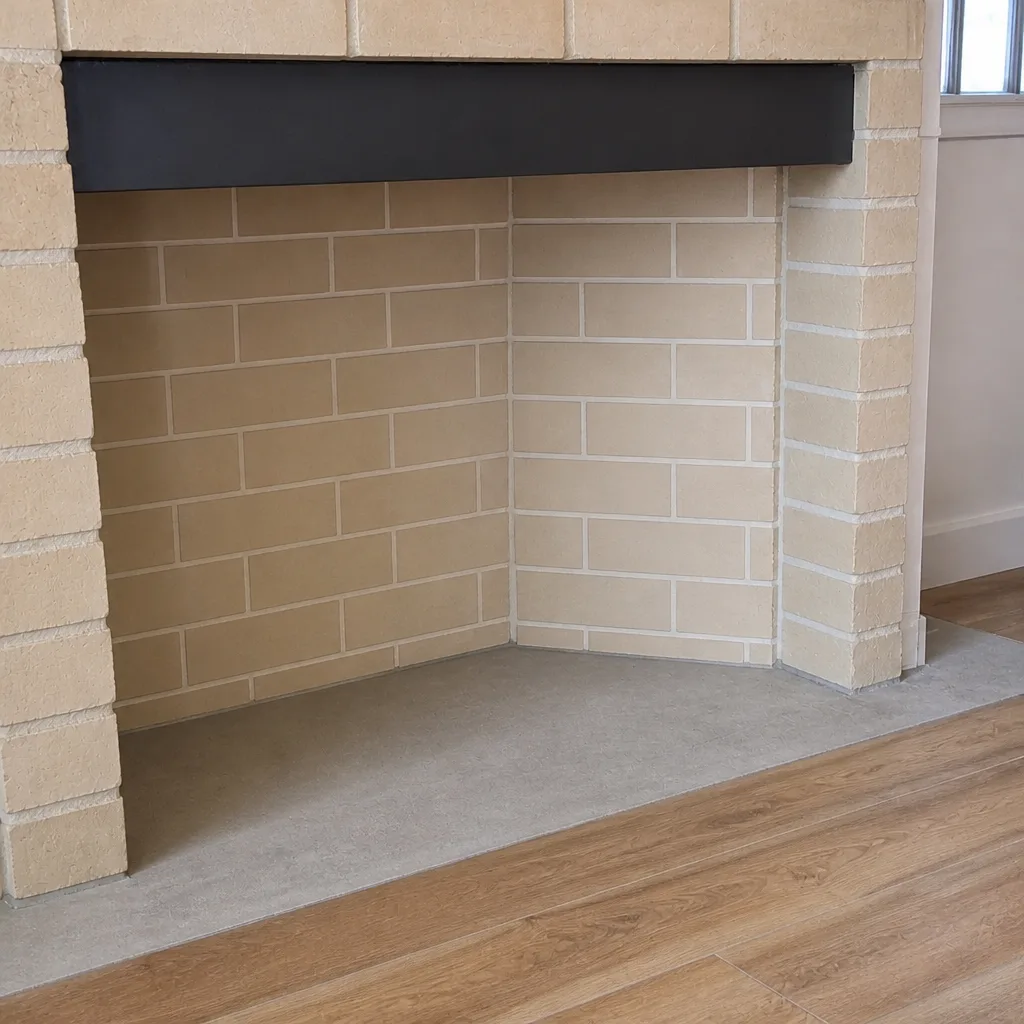
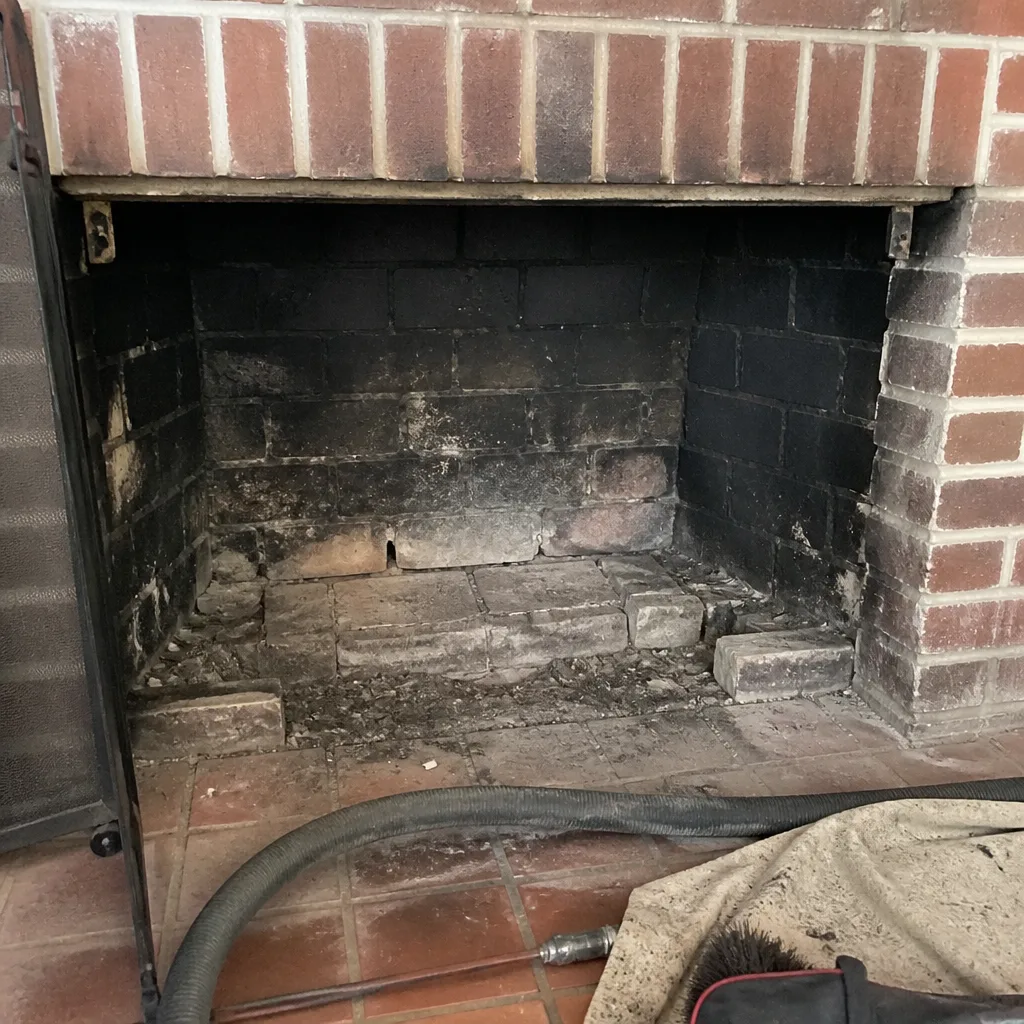
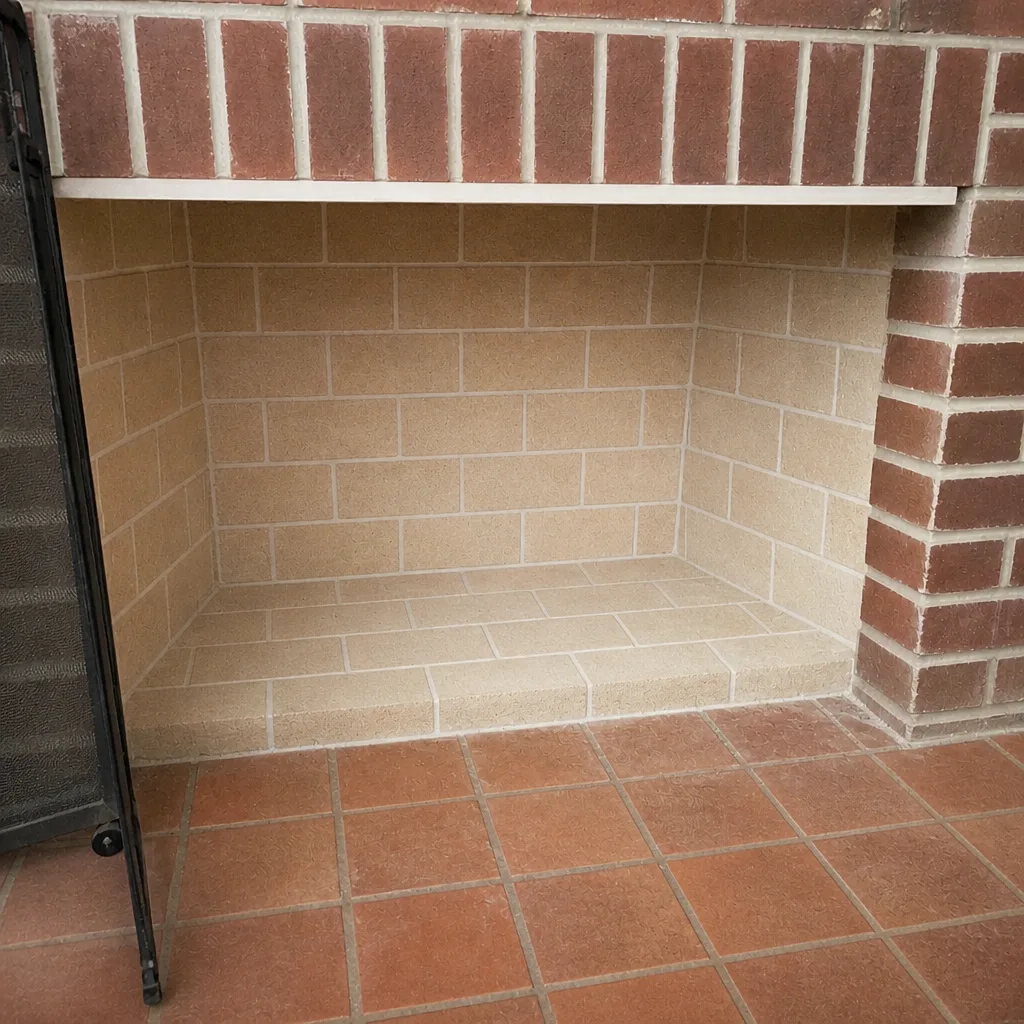
See the difference
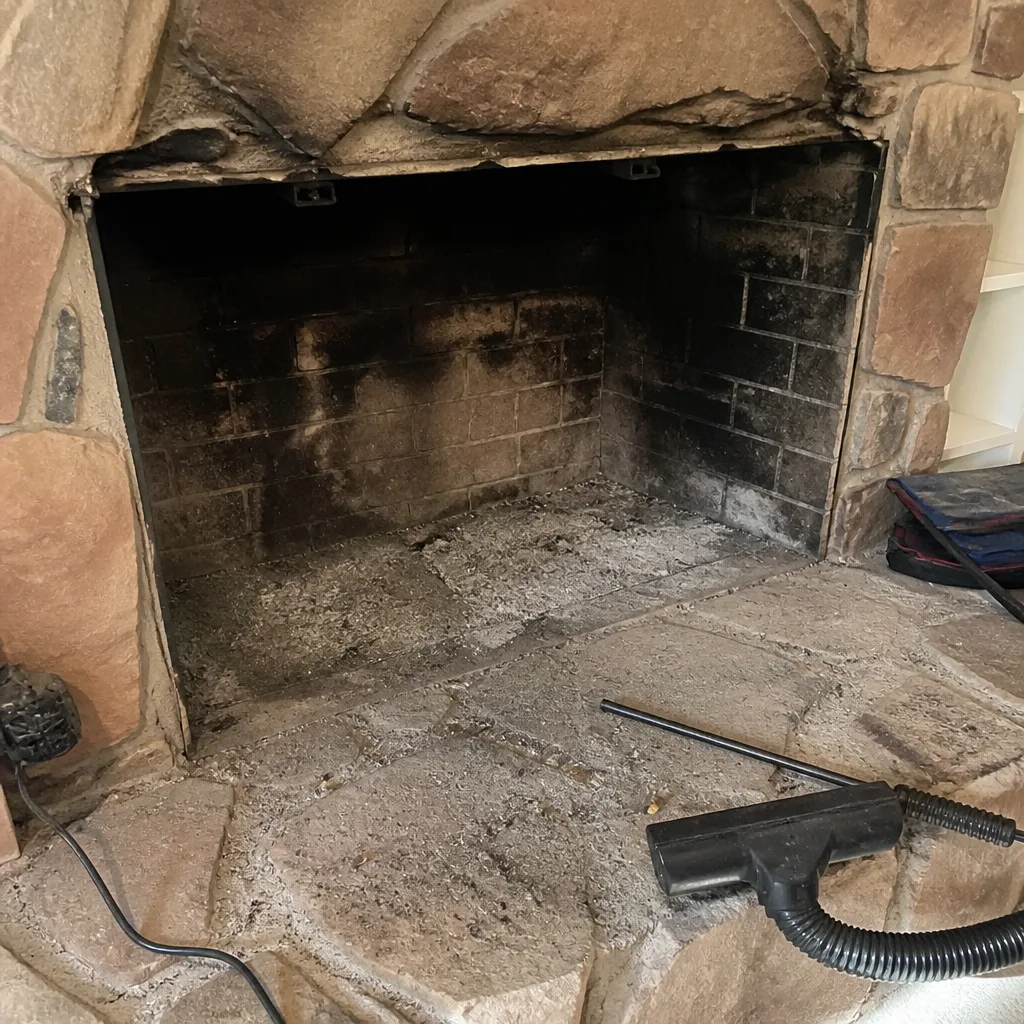 Before
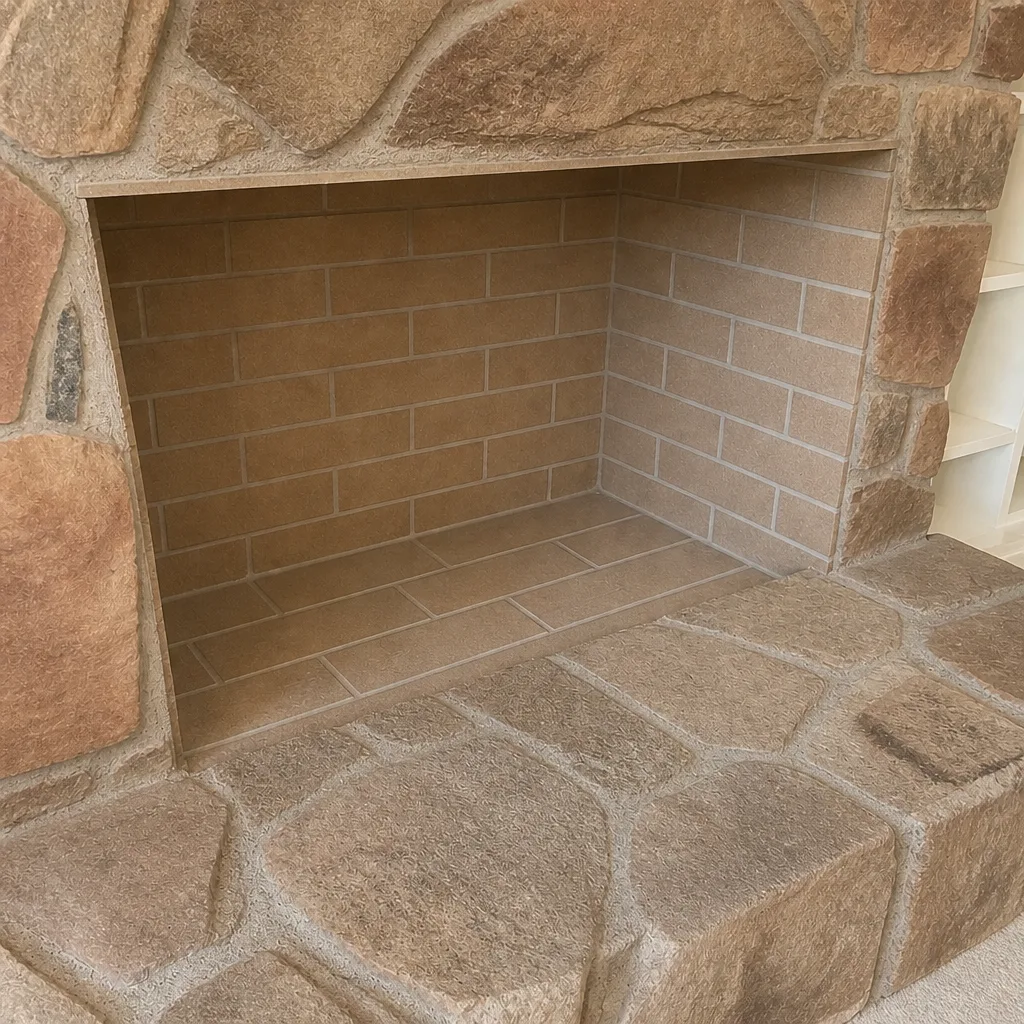 After
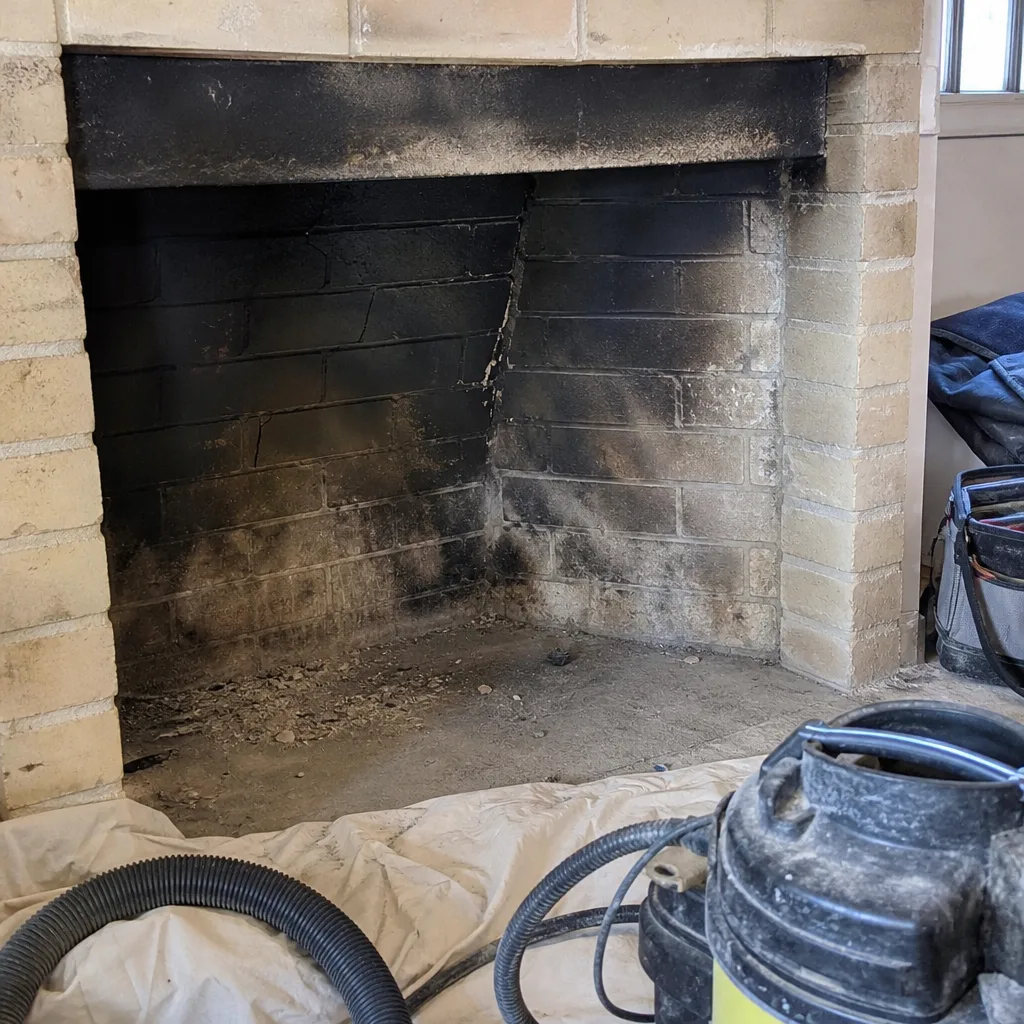 Before
 After
 Before
 After
When to Call a Professional
Some chimney issues are routine and seasonal. Others warrant a call now. Call us if you smell smoke inside the house when the fireplace isn’t lit, if the flue feels damp or the firebox shows white staining, if you see cracking in the exterior masonry or efflorescence that keeps returning after a storm, if the damper doesn’t seal, or if you’ve burned through a season and can’t remember when the flue was last cleaned. Call sooner if you’ve had a chimney fire or a damaged flue has been identified. A camera inspection and photo report are included, so nothing gets recommended without visible evidence you can see for yourself. Goodyear Chimney Sweep offers free estimates in Goodyear – call (866) 361-8426. We answer 24/7. Fast dispatch from 7am to 7pm, Sunday through Friday.
Frequently Asked Questions
Once a year for most wood-burning fireplaces, and that one sweep should land in the September-to-early-October window if possible. A gas fireplace with a gas log set generates less creosote but still needs an annual inspection to check venting and the flue liner. If you burn heavily through the short season, add a mid-season creosote check around the 15-fire mark. Call (866) 361-8426 for an exact quote – estimates are free.
September into early October is the highest-value window, because it comes after monsoon season and before burn season. The chimney has been through everything the year throws at it, any water damage has already shown itself, and there’s still time to schedule repair before the first cool night. Spring is the second-best option if fall doesn’t work. Call (866) 361-8426 to book a sweep – estimates are free.
Monsoon rain finds the flashing points, the cap, and the crown, and works its way in. The most destructive path is water getting behind step flashing or counter-flashing, soaking the masonry, and then weakening mortar joints and rusting metal from the inside. Efflorescence on the exterior face is the clearest sign it’s happening. An inspection after the monsoon catches it before it does more damage. Call (866) 361-8426 for an exact quote – estimates are free.
Yes, the daily expansion and contraction cycle in summer stresses mortar joints and cap components every day for months, and it’s the season when inspections most often find structural issues. The metal components of a prefab chimney are also stressed by attic heat on summer afternoons. A summer inspection is a good way to catch what the heat season opened up. Call (866) 361-8426 – estimates are free.
It depends on the condition of the existing liner. If the inspection shows a liner that’s deteriorating but still structurally sound, HeatShield resurfacing is a modern restoration option that avoids a full reline. If the liner is cracked through, separated, or failing, a full reline with a DuraFlex flexible liner is the right answer. A camera inspection is what tells the two apart, and you should see the evidence on the screen before you decide. Call (866) 361-8426 for an exact quote – estimates are free.
Creosote keeps building, and a mid-season fire can push a stage-one layer into stage-two glazed creosote that’s much harder to remove. Water intrusion from monsoon season also goes unchecked, so a small flashing problem becomes a masonry repair. The safest approach is the annual September sweep. If you’ve already skipped a year, book an inspection and sweep together. Call (866) 361-8426 – estimates are free.
The Bottom Line
Goodyear runs on a two-season chimney calendar: monsoon, then burn season, with the gap between them as the highest-value service window. September into early October is when an inspection and sweep catch the most and cost the least in urgency – water damage has shown itself, creosote is cleared before the first fire, and there’s still time for a HeatShield resurfacing or a DuraFlex reline before the first cool night. Winter needs a mid-season creosote check around 15 fires and a look at the damper. Summer needs eyes on mortar joints and prefab components. Every season has a job, and none of them are a fall-only problem in a desert city.
Contact
If you want a sweep, an inspection, or a repair plan that covers all three phases with one company, we’re ready to help. Inspected, cleaned, and repaired by one specialist team – start to finish, with a camera report you can see before anything is repaired. Call (866) 361-8426 for a free estimate. We answer 24/7. Fast dispatch from 7am to 7pm, Sunday through Friday.
Start here for the full picture of what we do: Goodyear Chimney Sweep. If you’ve already got a diagnosis and want a quote on the work, our chimney repair page covers the repair side, and our chimney sweep page covers the cleaning side.
Written by the team at Goodyear Chimney Sweep.