
Last updated November 15, 2026
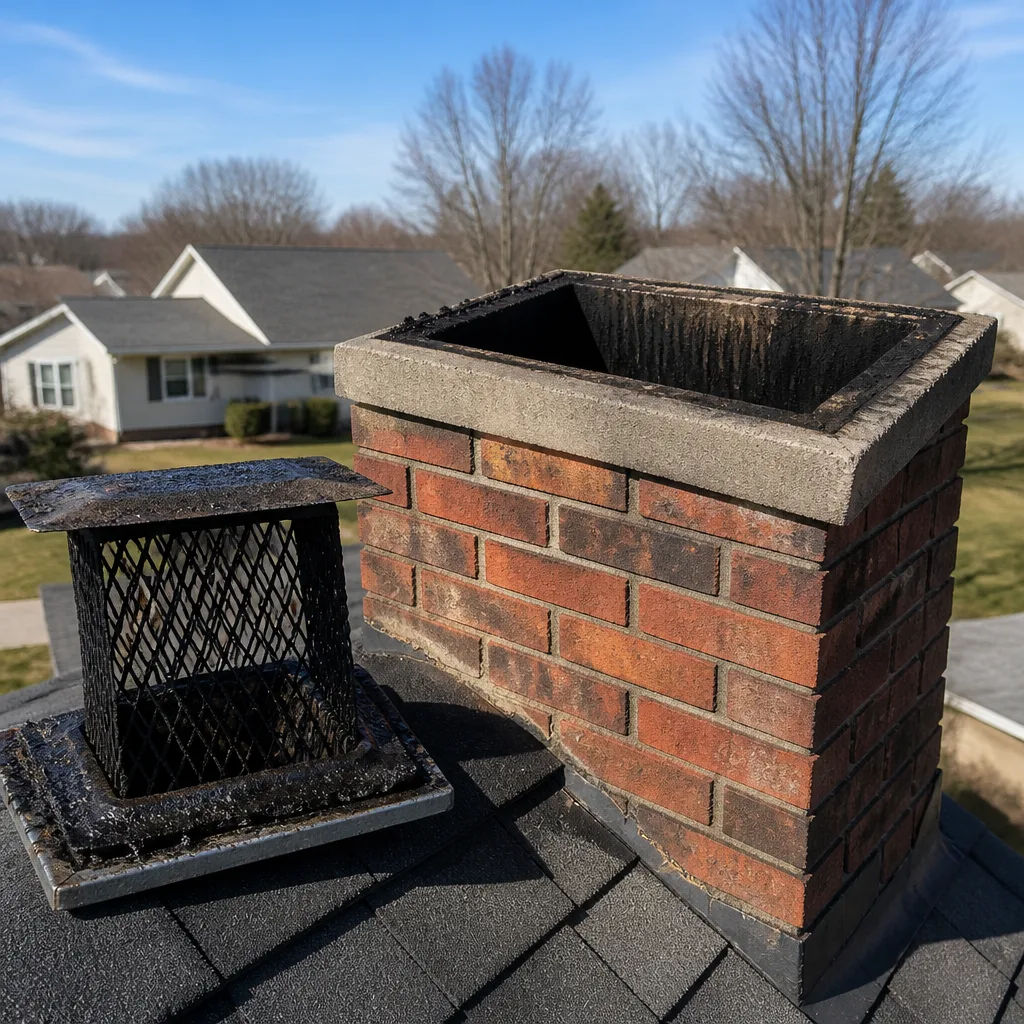 Sweep & inspection
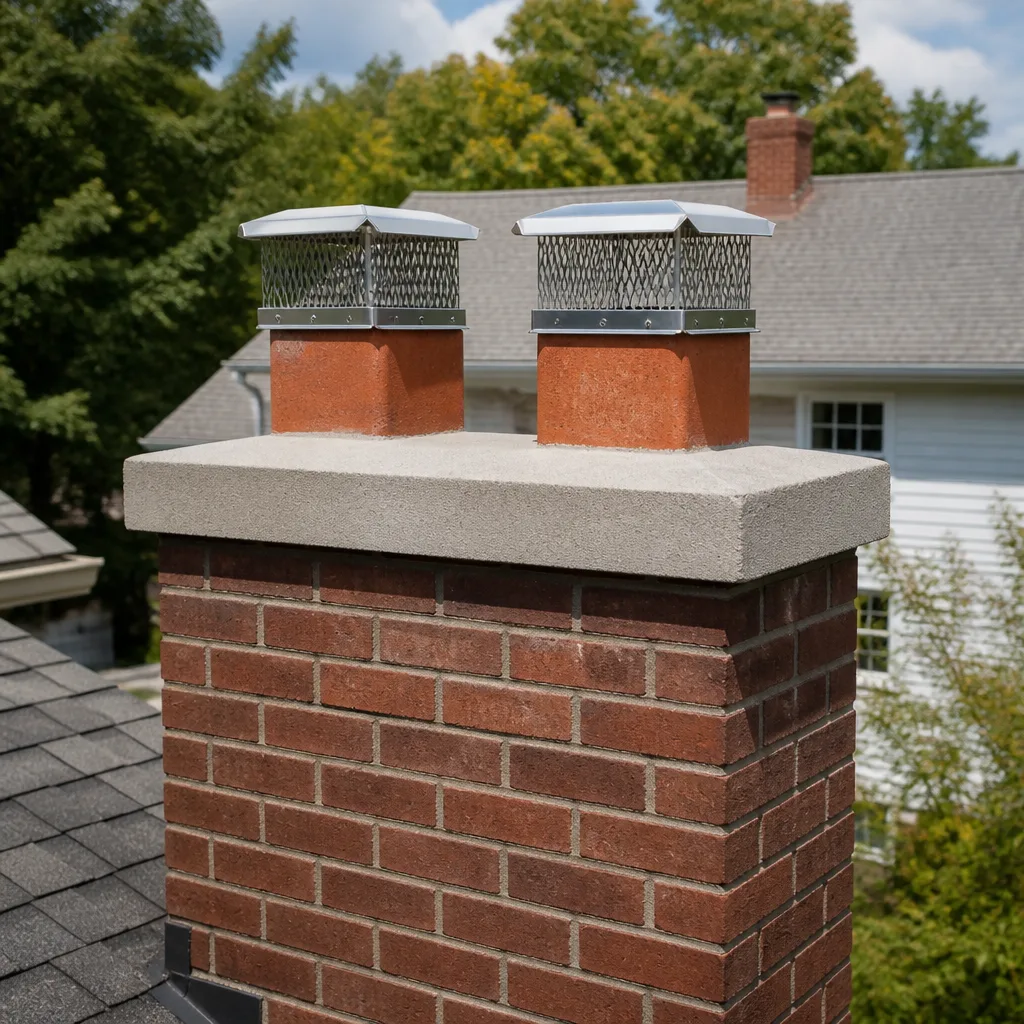 Caps & crowns
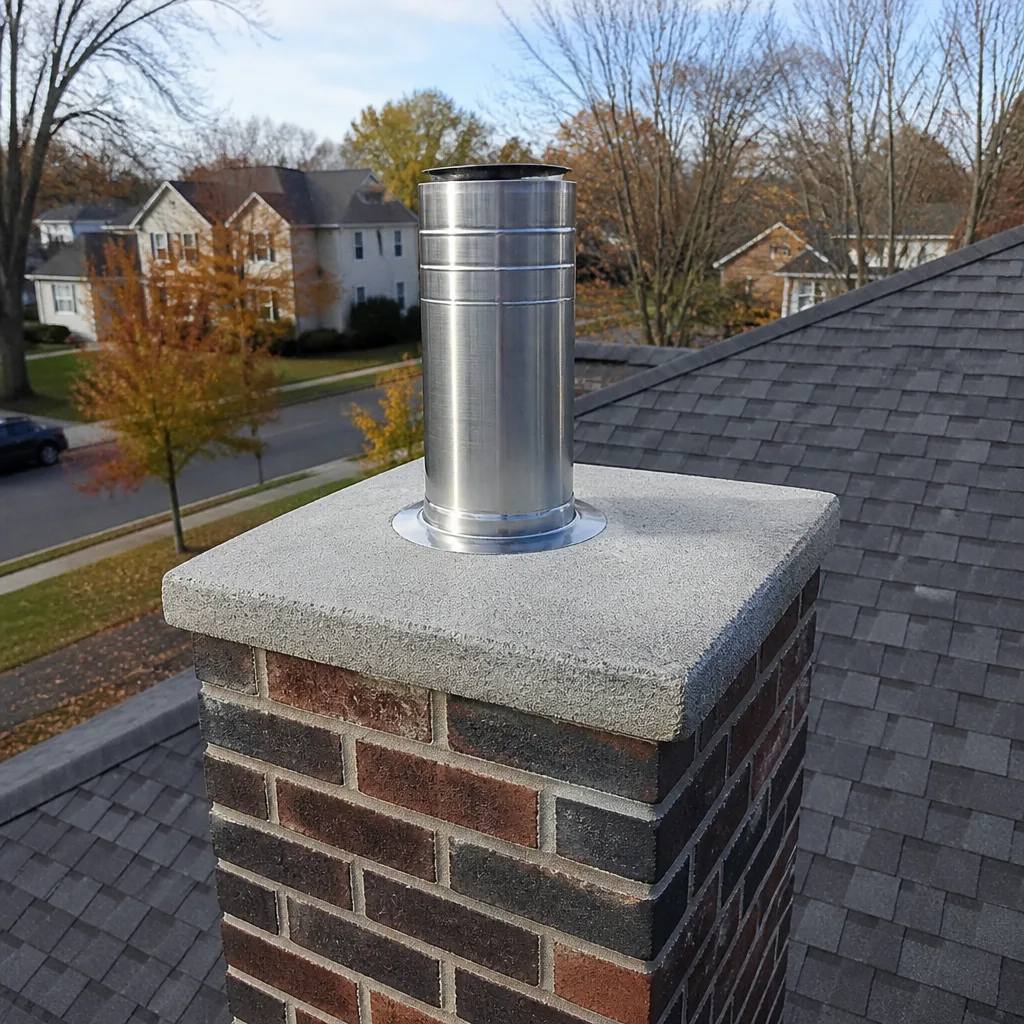 Flue relining
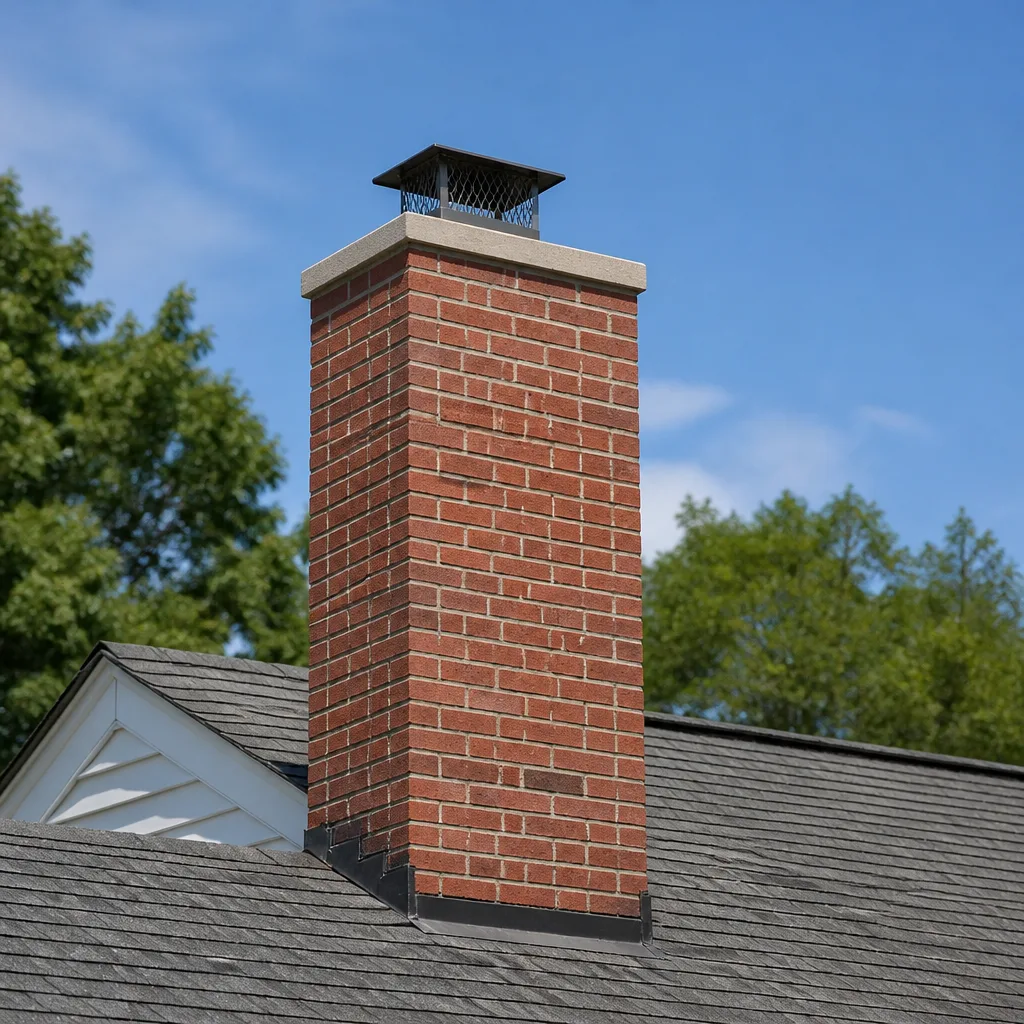 Masonry repair
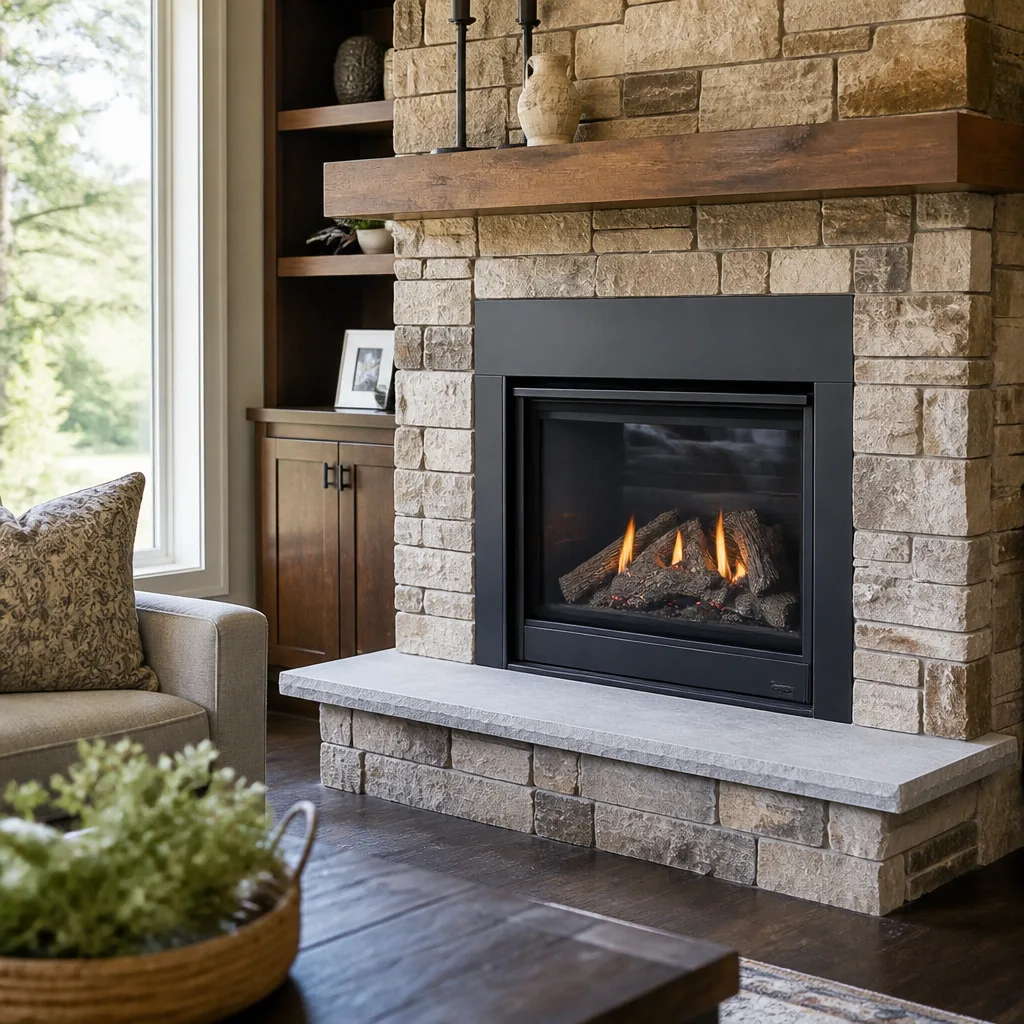 Gas fireplace service
Level 1 sweep and inspection to the NFPA 211 annual standard - flue, crown, cap, and flashing checked and photographed
Chimney sweep logs do not sweep chimneys. They loosen some creosote - which then falls where a brush and vacuum still have to collect it.
The Complete Guide to Chimney Cleaning in Goodyear
Most Goodyear homeowners light their fireplace fewer than fifteen nights a year. That sounds like a reason to skip the sweep. It’s actually the reason your chimney needs one. A fire burned every night keeps a flue hot and dry. A fire burned a handful of times each winter leaves behind creosote that never fully cures, and that soft, sticky residue traps dust, insects, and debris for months at a time. By the time the next cold snap arrives, the system is dirtier than a fire that runs all season. In this guide we’ll walk through how cleaning actually works in the desert, which inspection level applies after a long Arizona summer, why the brush type matters for the flues common in Goodyear tract homes, and what a finished job should hand you in writing.
Quick Answer
Chimney cleaning in Goodyear means a professional sweep of the flue combined with a Level 1 or Level 2 inspection, followed by a written condition report and video evidence of what was found. For most local homes that burn wood occasionally, one cleaning before the heating season is enough. Homes that see regular fires, or that sat closed up through the summer, may need more frequent attention. The cleaning itself is the starting point; the inspection is what tells you whether the chimney is structurally sound.
Styles & brands we work with
- Sweep & inspection
- Caps & crowns
- Flue relining
- Masonry repair
- Gas fireplace service
Table of Contents
- Why Chimney Cleaning Works Differently in Goodyear
- The Three Inspection Levels and Which One You Need
- Why Rotary Brushes Beat Flat-Rod Brushes Here
- How Local Firewood Changes Your Creosote
- What a Finished Job Should Produce
- What You Can Check and What You Shouldn’t Touch
- How Often to Schedule Cleaning in Goodyear
- Common Mistakes to Avoid
Why Chimney Cleaning Works Differently in Goodyear
Chimney advice written for wetter parts of the country doesn’t map cleanly onto Goodyear. The low humidity and heavy dust load here change both what collects in a flue and how it behaves. Creosote in a humid climate tends to stay softer and get broken down by seasonal moisture. In our air, chimney residue dries out fast and hardens into a glassy, brittle layer on the flue wall. That glaze is stubborn, and a light pass with a hand brush won’t remove it.
Dust is the other factor. Goodyear sits in the Sonoran Desert, where wind moves fine grit and pollen through the air most of the year. An open or poorly capped chimney acts as a collection point. That dust settles on top of creosote, insulates it, and keeps it from drying evenly. The result is a flue that looks fine from the firebox but carries a crusty, layered deposit higher up.
On top of that, wildlife finds uncapped flues appealing. Birds, squirrels, and other small animals nest in chimneys during the long warm months when no one is burning. When fall arrives, that nesting material is still up there. A sweep clears it; a quick visual check from below does not.
What this means in practice:
- Cleaning should happen before the first fire of the season, not after.
- Residue here is often harder than in humid climates, so glazed creosote may need rotary tooling rather than a simple brush.
- A chimney cap rated for local conditions is not optional. It’s the cheapest way to keep dust and wildlife out of a flue you’ll want working in winter.
- Gas fireplaces still need inspection even though they produce no wood creosote. Venting and debris blockages are the concern there.
If you want the short version of this whole guide, it’s this: a Goodyear chimney is a desert system, and it should be serviced like one. For a closer look at the discipline itself, see our chimney sweep page.
The Three Inspection Levels and Which One You Need
The Chimney Safety Institute of America defines three inspection levels, and knowing which one applies is the difference between a useful report and a guess. After a long Arizona summer dormancy, when a flue has sat shut up for months, the right level is usually a Level 2. Here’s the breakdown.
Level 1: Readily Accessible Check
A Level 1 inspection covers the parts you can see without special tools: the firebox, the damper, the accessible portions of the flue, and the exterior where reachable. It’s the right call when nothing has changed in how the chimney is used and there’s no history of trouble. It’s also what accompanies a routine annual sweeping. It does not see hidden voids, offsets, or the top of the flue interior.
Level 2: Camera Inspection
A Level 2 adds a video camera run through the flue. It’s indicated after a change in the system, after an event like a chimney fire or a tremor, after a long period of no use, and whenever a property changes hands. For Goodyear homes that go untouched from spring to fall, a Level 2 is the inspection that actually finds the problems. It catches broken flue tiles, gaps at joints, bird nests above the smoke shelf, and the condition of any liner.
Level 3: Diagnostic Access
A Level 3 is a Level 2 plus selective opening of walls or other construction to reach a suspected problem. It’s used sparingly, when a camera inspection has identified an issue that can’t be examined or corrected without access. Most cleaning visits never reach this level.
- Routine year, no changes: Level 1 alongside the sweep.
- After a summer dormancy or a change of use: Level 2 with camera footage.
- Suspected hidden damage: Level 3 with targeted access.
Ask which level your inspection is before it starts. If the answer is vague, that’s your cue to ask a different question.
Why Rotary Brushes Beat Flat-Rod Brushes Here
A flat-rod brush is a straight rod with a round brush on the end. It works on a perfectly straight, uniform flue. Many Goodyear homes, particularly the tract-built houses that fill the neighborhoods west of the Estrella Mountains, weren’t built that way. Offsets, angled flue runs, and transitions from one masonry section to another are common. A straight rod hitches on those turns, and a brush that binds doesn’t clean. It scuffs.
Rotary cleaning uses a spinning head driven by a flexible cable. The head follows the shape of the flue rather than fighting it. On an angled run, the spinning action keeps the bristles in contact with the wall instead of skipping that side. That matters a great deal with desert-hardened creosote, which resists a straight scrub and yields to sustained, rotating contact.
What rotary cleaning does that flat-rod tooling often doesn’t:
- Reaches the full circumference of an offset flue, not just the side the brush leans against.
- Breaks up glazed deposits rather than polishing them.
- Works through transitions and past shelf angles without forcing the rod.
- Leaves the flue wall suited for a camera pass afterward, so the inspection can actually see the surface.
There’s a companion point about liners. When a flue is cracked or failing, a flexible stainless liner is often the fix, and flexible systems are the ones that adapt to the bends and offsets a rigid liner can’t make. That’s why our toolkit includes DuraFlex for relines in older and angled configurations, alongside HeatShield flue resurfacing for liners that are deteriorated but not yet ready for full replacement. The right repair depends on what the camera shows, not on which fix is easier to sell. You can read more on the repair side at our chimney repair page.
How Local Firewood Changes Your Creosote
The wood you burn shapes the deposit in your flue. Goodyear homeowners have access to a firewood selection that differs a lot from the oak and pine back east: mesquite and palo verde in particular. Each affects creosote buildup at a different rate, and using that knowledge helps you plan cleaning intervals.
Mesquite is dense and burns hot with a long, steady flame. A hot, clean burn tends to produce less soft creosote and more of the dry, flaky type, which is easier to sweep. The catch is that mesquite also throws sparks and leaves a lot of fine ash, so the firebox and the smoke chamber gather more soot between burns. Palo verde is lighter and burns faster. It’s often used as kindling or mixed into a fire to get it going. Because it burns cooler and faster, it can contribute more soft creosote if it makes up a large share of the load.
Oak and pine sit at different points on that scale. Oak burns steady and clean when well seasoned but leaves a heavy deposit if it’s green. Pine burns hot but fast and produces a great deal of soot and sticky residue because of its resin content. The takeaway isn’t to avoid any of these. It’s to know what’s in the fire.
What matters most, whatever the species:
- Burn seasoned wood. Dry wood burns hotter and cleaner than green wood.
- Mix soft and dense woods so the fire stays hot enough to burn off volatiles.
- Avoid a slow, smoldering fire. Smoldering produces the sticky creosote that’s hardest to remove.
- Keep a small hot fire rather than a large cool one.
Seasoned wood and a hot fire reduce the rate at which creosote builds. They don’t eliminate it, which is why the sweep still needs to happen.
What a Finished Job Should Produce
A good cleaning ends with more than a cleaner firebox. It ends with documentation you can keep, read, and show to anyone. This is where generalist services and dedicated chimney specialists part ways. You should expect the following from any cleaning in Goodyear.
- A written condition report. The report lists what was inspected, what was found, and the condition of the firebox, damper, flue, and cap. It notes anything that needs attention and anything that doesn’t.
- Before-and-after video inspection footage. Camera footage of the flue interior before cleaning and after. It’s the difference between “trust us” and a record you can see with your own eyes.
- A clear statement of what was cleaned. The flue, the smoke chamber, the firebox, and the damper each get their own line. A vague “chimney cleaned” tells you nothing.
- A plain recommendation on repairs. Anything structural is described in specific terms with the material and approach named, and anything that can safely wait is labeled as such.
This documentation matters most when a homeowner has gotten a vague repair estimate somewhere else and wants a second opinion. We specify materials by name because the brand behind the product matters, and we’ll tell you when we can point to a HeatShield resurfacing option that avoids a full reline, or when a flexible DuraFlex liner is the honest answer. A report that names the material and shows the footage is the one you can act on. If you’re comparing approaches, the standard we hold ourselves to lives at Goodyear Chimney Sweep.
What You Can Check and What You Shouldn’t Touch
Some chimney maintenance is safe to do yourself, and some of it isn’t. Knowing the line keeps you out of the emergency room and keeps the chimney safe. Here’s the honest split.
Safe for the homeowner
- Looking up the flue from the firebox with a flashlight to spot obvious blockages or a heavy deposit.
- Checking that the damper opens and closes freely.
- Confirming the chimney cap is intact and in place.
- Keeping the area around the hearth clear of anything combustible.
- Making sure the fire is fully out and the firebox cold before anyone looks inside.
Not safe, and not a job for a broom and a ladder
- Climbing onto the roof. Roof work at height is the leading source of serious injury in this trade, and the pitch and material of many local roofs make it riskier still.
- Reaching into the flue above the smoke shelf. A load of creosote can loosen and drop without warning.
- Diagnosing a cracked flue tile or a failing liner. It takes a camera and the training to interpret what it shows.
- Applying any kind of sealant or refractory product inside the flue.
Chimney cleaning and repair are dangerous work when done by an untrained hand, and the danger is invisible from the firebox. A trained professional has the tools to see the whole flue and the experience to interpret it. That’s the reason to bring one in, not a sales pitch.
How Often to Schedule Cleaning in Goodyear
The general rule is once a year, and in Goodyear that once should land before the heating season starts. But the right interval depends on how you use the system. The CSIA guidance is to inspect annually and clean when the deposit reaches about an eighth of an inch. Reading that thickness by eye from below is difficult, which is why the annual visit exists.
For a home that sees a handful of fires each winter, one cleaning plus an inspection in the fall is the standard. For a home that burns frequently, cleans less often than it should, or has sat closed up for a full summer, the annual visit may need to become two. The same applies to homes with a high proportion of pine or green wood in the fire, which builds deposit faster.
Gas fireplace owners aren’t off the hook. A gas system doesn’t produce wood creosote, but its venting can still gather dust, lint, and wildlife debris, and the inspection still matters. A gas unit that has never been looked at since installation is worth a professional once-over.
One scheduling note. We answer 24/7, and fast dispatch runs from 7am to 7pm, Sunday through Friday, closed Saturday. A call outside dispatch hours is booked into the next opening. If you want work done before the first cold snap, book the sweep early in the season, not the week you need it.
Common Mistakes to Avoid
- Treating a low-use chimney as a no-maintenance chimney. A fireplace lit fifteen nights a year still collects creosote, dust, and wildlife debris over the months it sits idle. A flue that goes untouched through a Goodyear summer can be in worse shape than one in constant use.
- Skipping the inspection because the sweep “looked clean.” Cleaning removes deposit; it doesn’t reveal a cracked tile or a failed joint. The camera inspection is what catches structural problems the eye can’t see from the firebox.
- Burning green or unseasoned wood to save a trip. Green wood smolders, and smoldering wood makes the sticky, hard-to-remove creosote that rotary cleaning has to work harder to strip. Season your wood; the flue will show the difference.
- Leaving the flue uncapped through the summer. An open flue is an invitation to birds and squirrels, and the nesting material stays up there until it’s swept out. A proper cap is a small cost against a recurring problem.
- Accepting a repair estimate that names no materials. A quote that says “liner repair” without naming the system or showing the footage leaves you with nothing to verify. Ask for the video and the product name.
- Assuming a gas fireplace needs no service. Gas systems still collect dust, lint, and debris in the vent, and an inspection is the only way to catch a blockage before it matters.
- Letting a “quick sweep” stand in for a full cleaning. A surface brush pass leaves the glazed deposit on the flue wall. If there’s no camera pass and no written report at the end, the job isn’t finished.
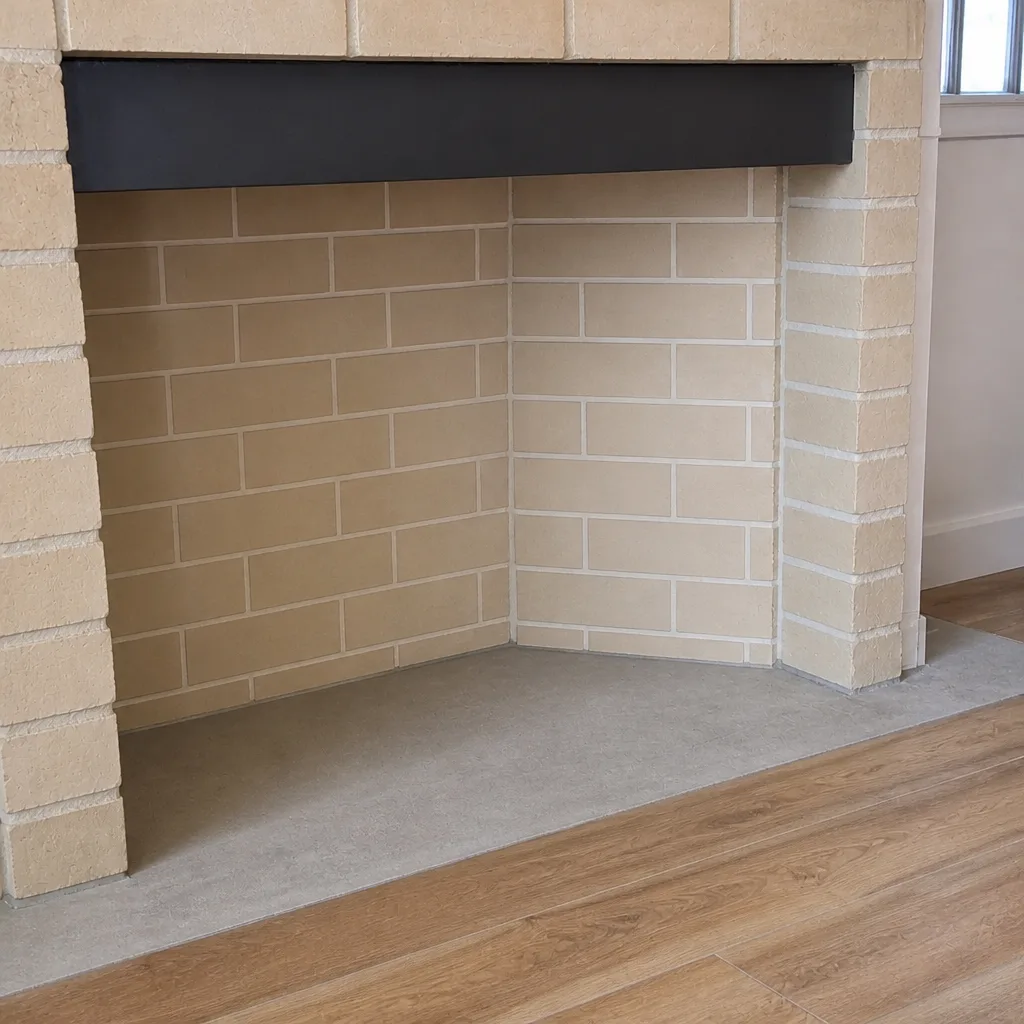
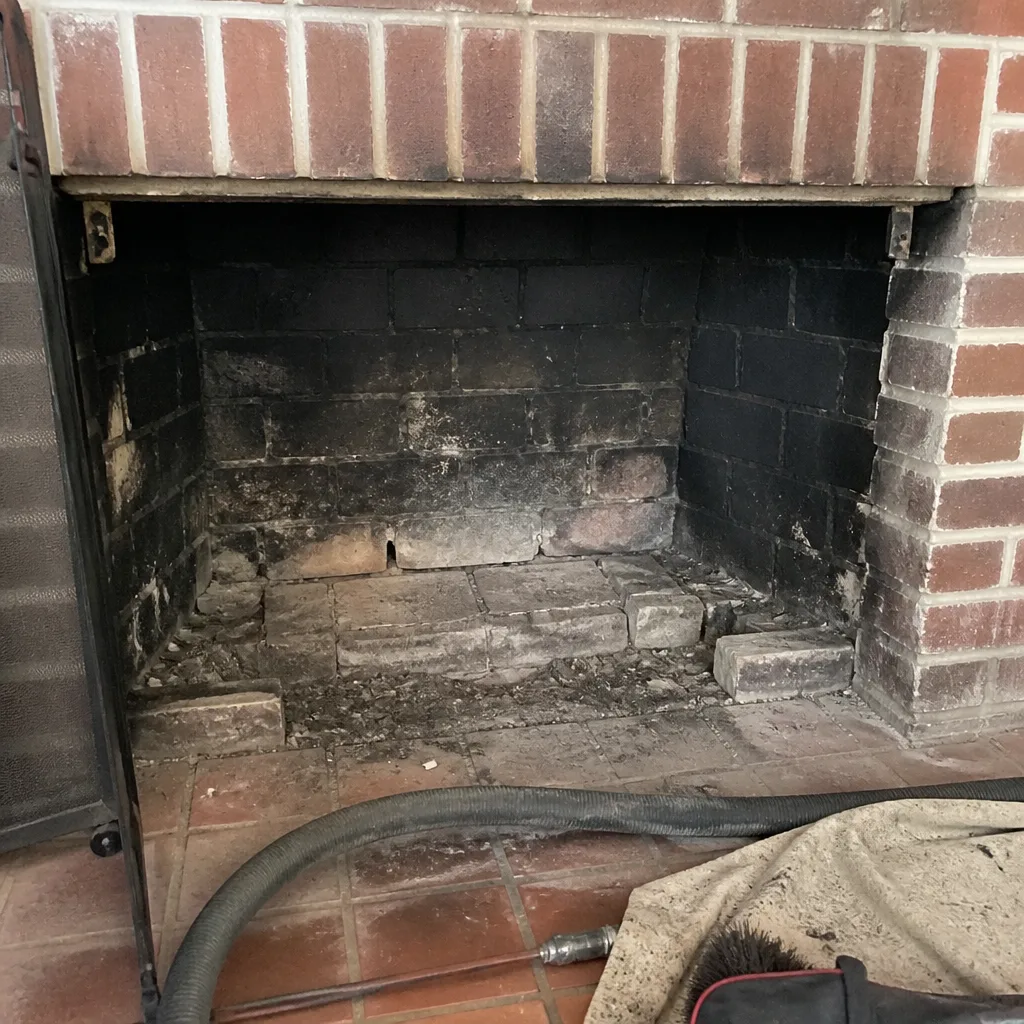
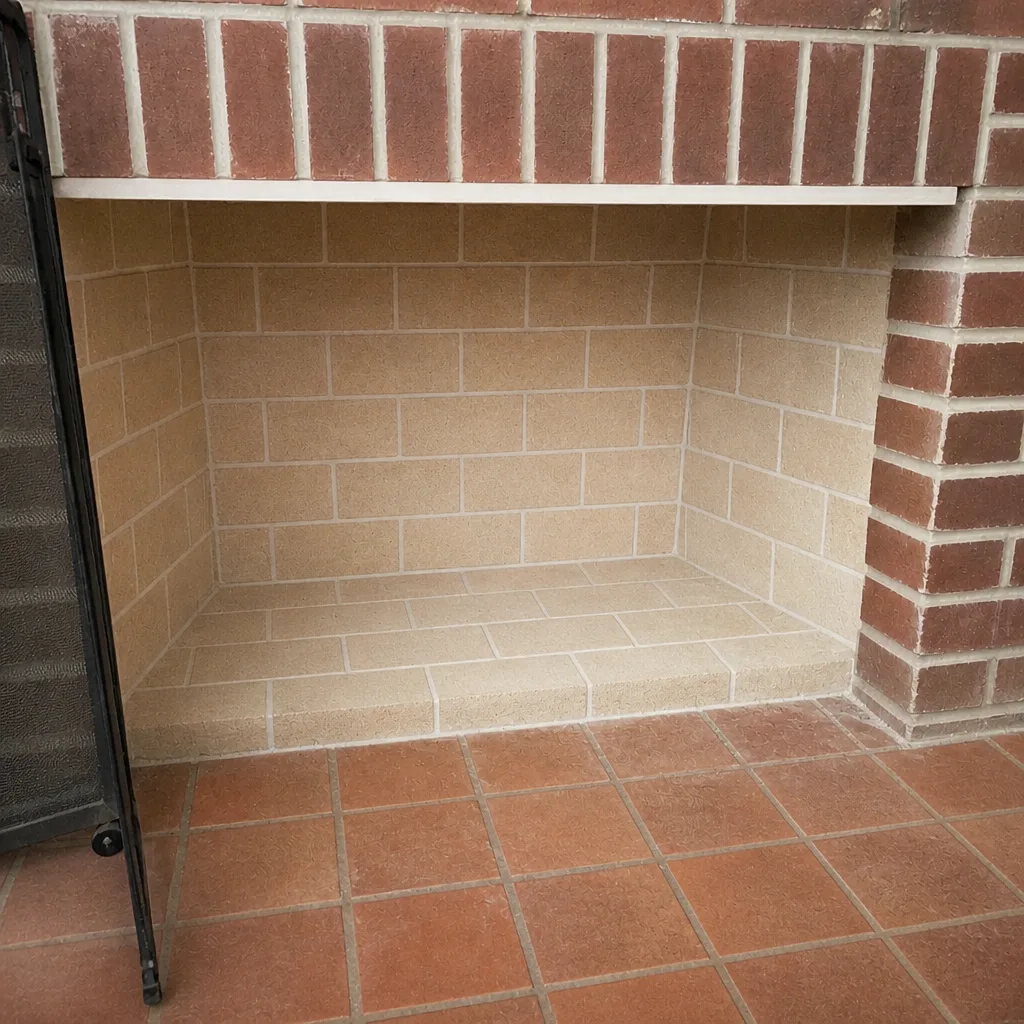
See the difference
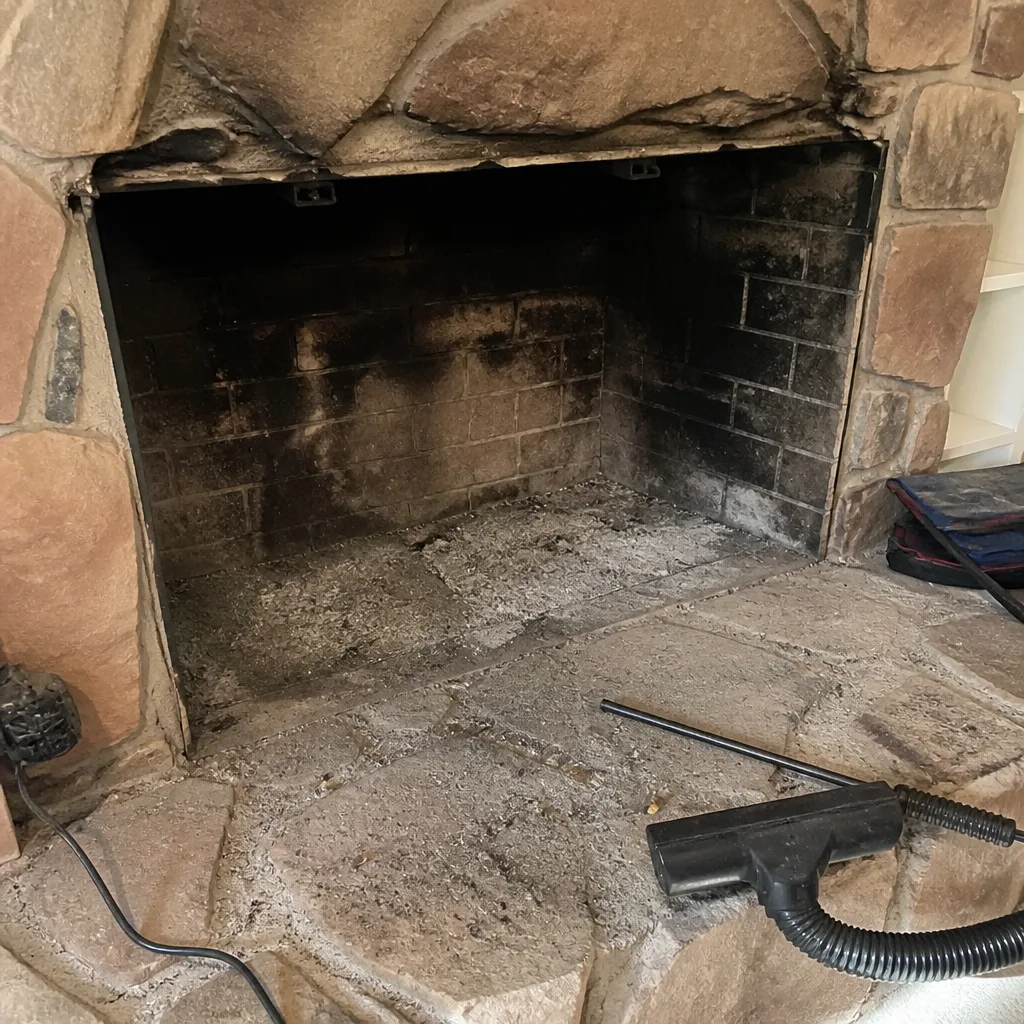 Before
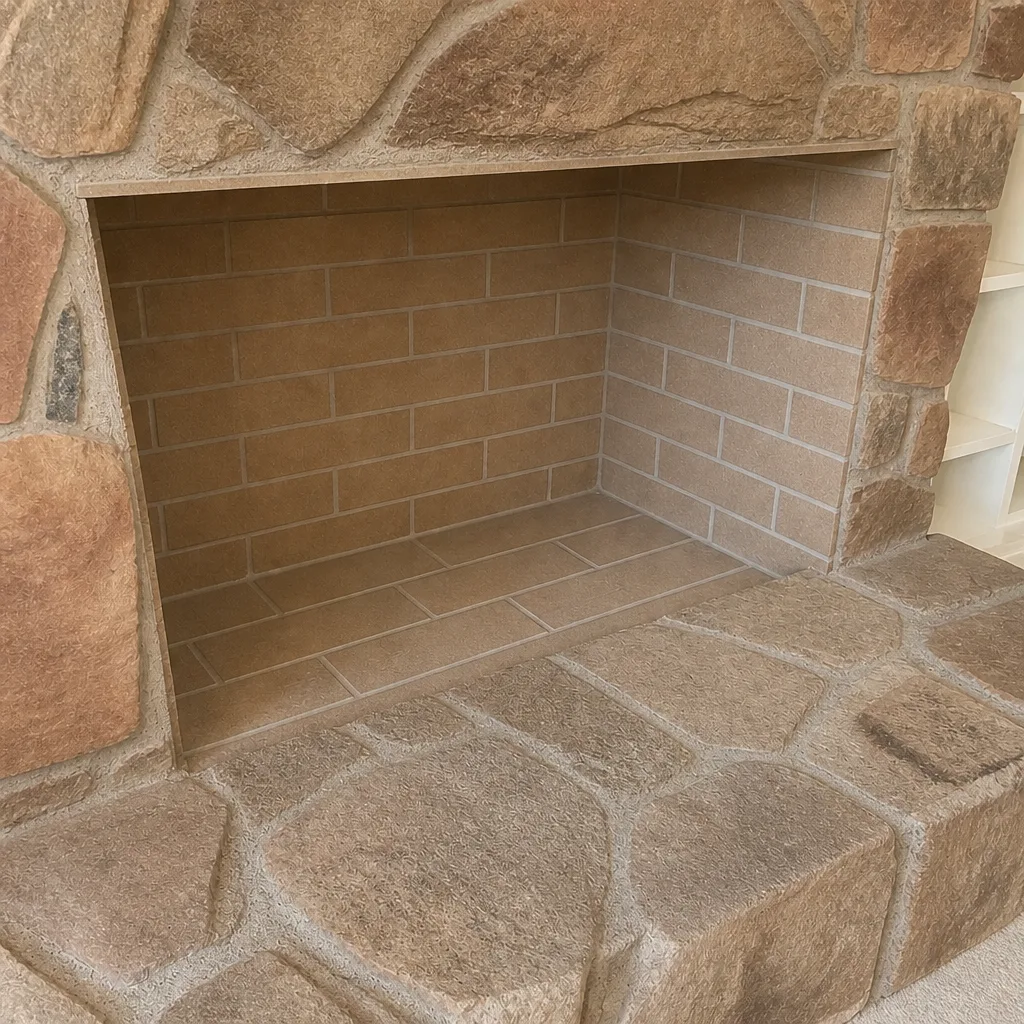 After
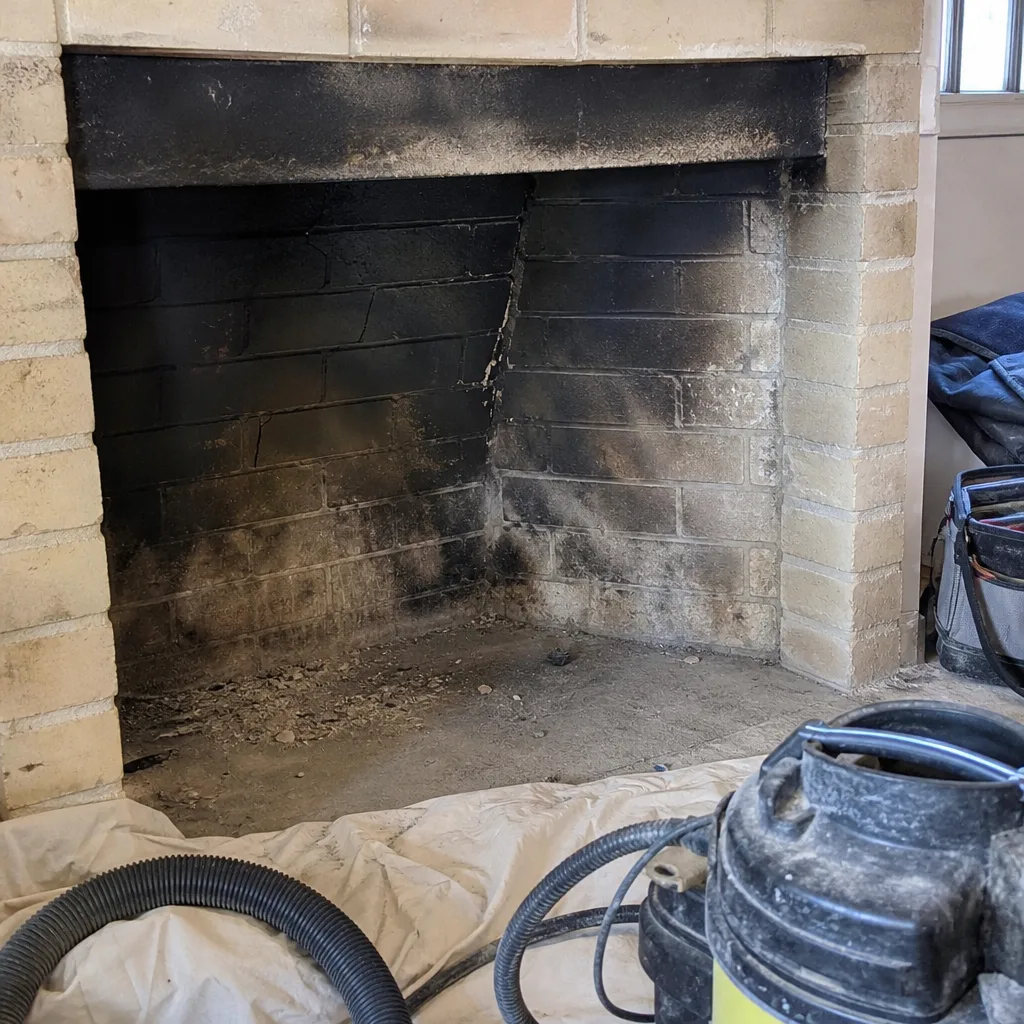 Before
 After
 Before
 After
When to Call a Professional
Some situations are clearly a call for a trained chimney specialist, not a do-it-yourself project. If you smell smoke in the room when there’s no fire, if the fire struggles to draw or smoke rolls back into the room, or if you’ve had a chimney fire, call before your next burn. A damaged flue or a heavy hidden deposit is a fire and carbon monoxide risk, and it’s not something to diagnose from the floor. The same applies after a long summer dormancy, after any event that may have disturbed the masonry, or when you’ve gone more than a year without an inspection.
And if you’ve gotten a vague repair quote from a generalist and want a second opinion grounded in named materials and camera evidence, that’s exactly the call to make. Goodyear Chimney Sweep offers free estimates in Goodyear. Call (866) 361-8426. We answer 24/7. Fast dispatch from 7am to 7pm, Sunday through Friday.
Frequently Asked Questions
Chimney cleaning is priced per job, and the written estimate sets the final figure once we’ve seen the system. Cost depends on the flue configuration, the level of inspection needed, and the deposit you’re working with. The estimate is free, so there’s no reason to guess. Call (866) 361-8426 for an exact quote.
Once a year for most homes, ideally before the heating season, plus a cleaning whenever the creosote reaches about an eighth of an inch. Homes that burn frequently or use a lot of pine may need more frequent attention. An annual inspection tells you whether the sweep and the clean are still in step. Call (866) 361-8426 to book.
Not always. A deteriorated liner can sometimes be restored with HeatShield resurfacing rather than replaced, and the honest answer depends on what the camera shows. We never recommend work without footage you can see for yourself, and we’ll tell you plainly when the liner can safely wait. Call (866) 361-8426 for an inspection.
Creosote and debris build up in the flue, which raises the risk of a chimney fire and can restrict venting, which in turn raises carbon monoxide risk. A blocked flue also pushes smoke back into the room. The danger sits in the parts you can’t see from the firebox. A sweep clears it, and an inspection confirms the flue is sound. Call (866) 361-8426.
Usually, yes. Months of dormancy are exactly when wildlife nests, debris accumulates, and unseen damage goes unnoticed. A Level 2 adds camera footage that reveals what a surface check can’t, which is why it’s the right level after a long Arizona summer. Call (866) 361-8426 to schedule one.
We inspect and service gas fireplaces as well as wood-burning systems. Gas units don’t produce wood creosote, but their venting collects dust, lint, and debris, and an inspection catches blockages a surface look can’t. Cleaning, inspection, and repair stay with one specialist team from start to finish. Call (866) 361-8426.
The Bottom Line
Cleaning a chimney in Goodyear is a desert service, not a transplanted Eastern one. Low humidity hardens creosote into a glaze; dust and wildlife find their way into uncapped flues; angled runs in local homes respond to rotary tooling where a straight brush won’t. The annual visit should pair a proper clean with the right inspection level (usually Level 2 after a summer of no use) and end with a written report and video footage you can keep. That documentation is what separates a real job from a quick brush pass, and it’s what lets you decide on repairs with confidence. For any of it, from sweep to inspection to repair, we can help. Call (866) 361-8426 for a free estimate, and get a clear read on your chimney before the next fire. You can also start by learning more about what we do across Goodyear.
Written by the team at Goodyear Chimney Sweep.