
Last updated November 15, 2026
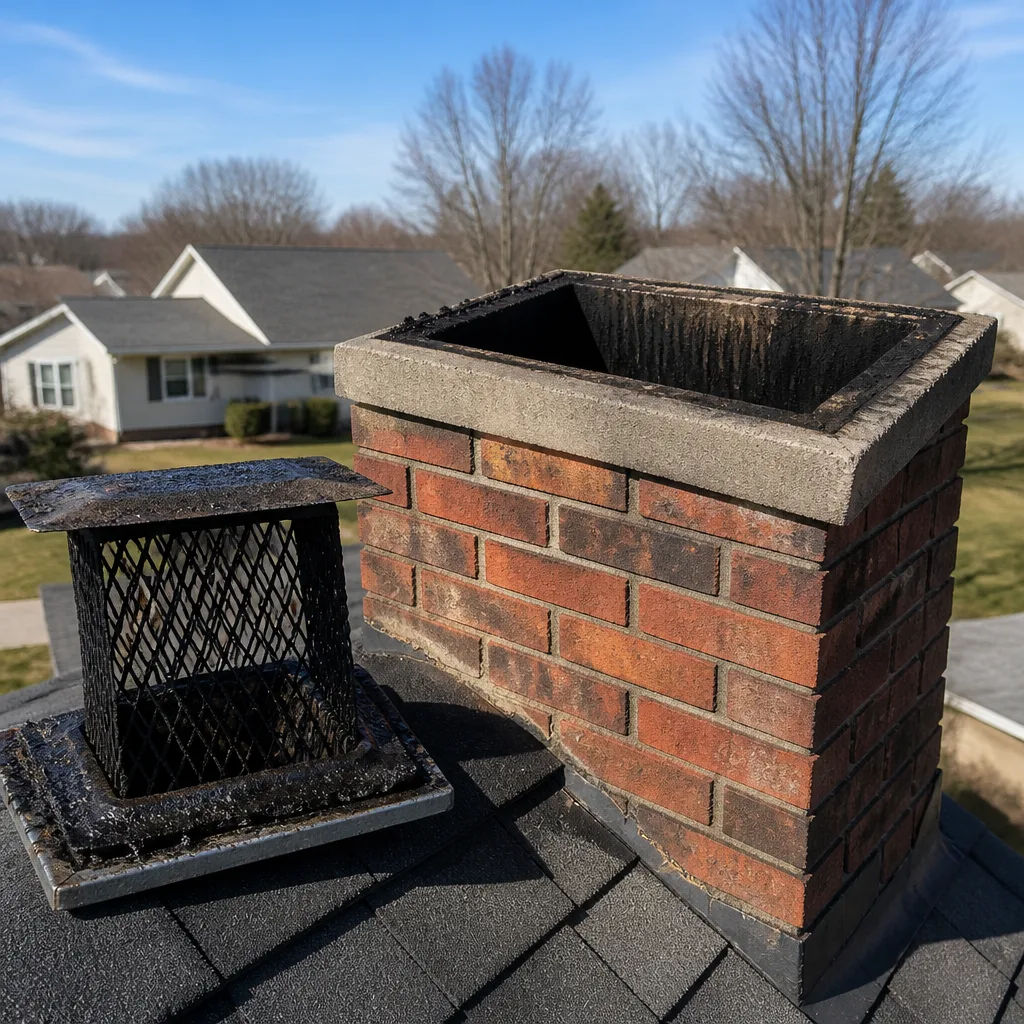 Sweep & inspection
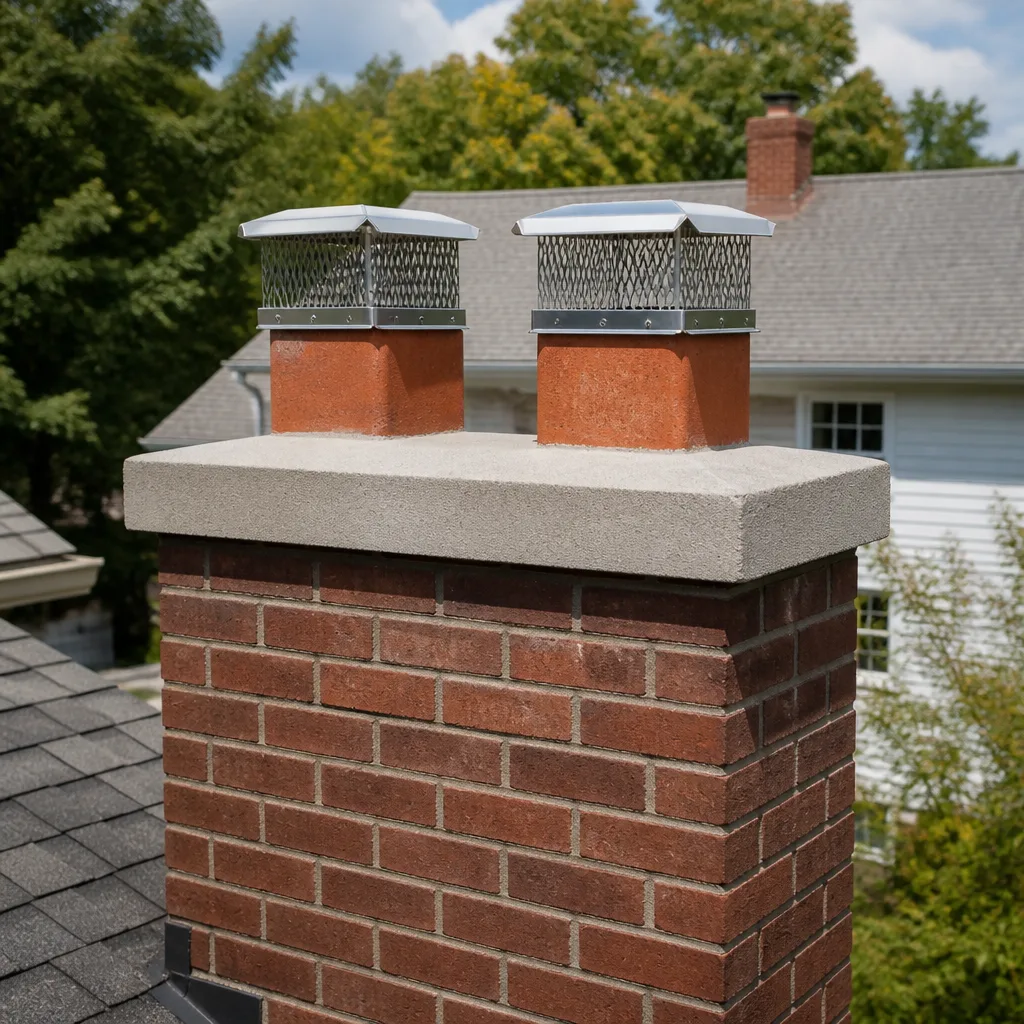 Caps & crowns
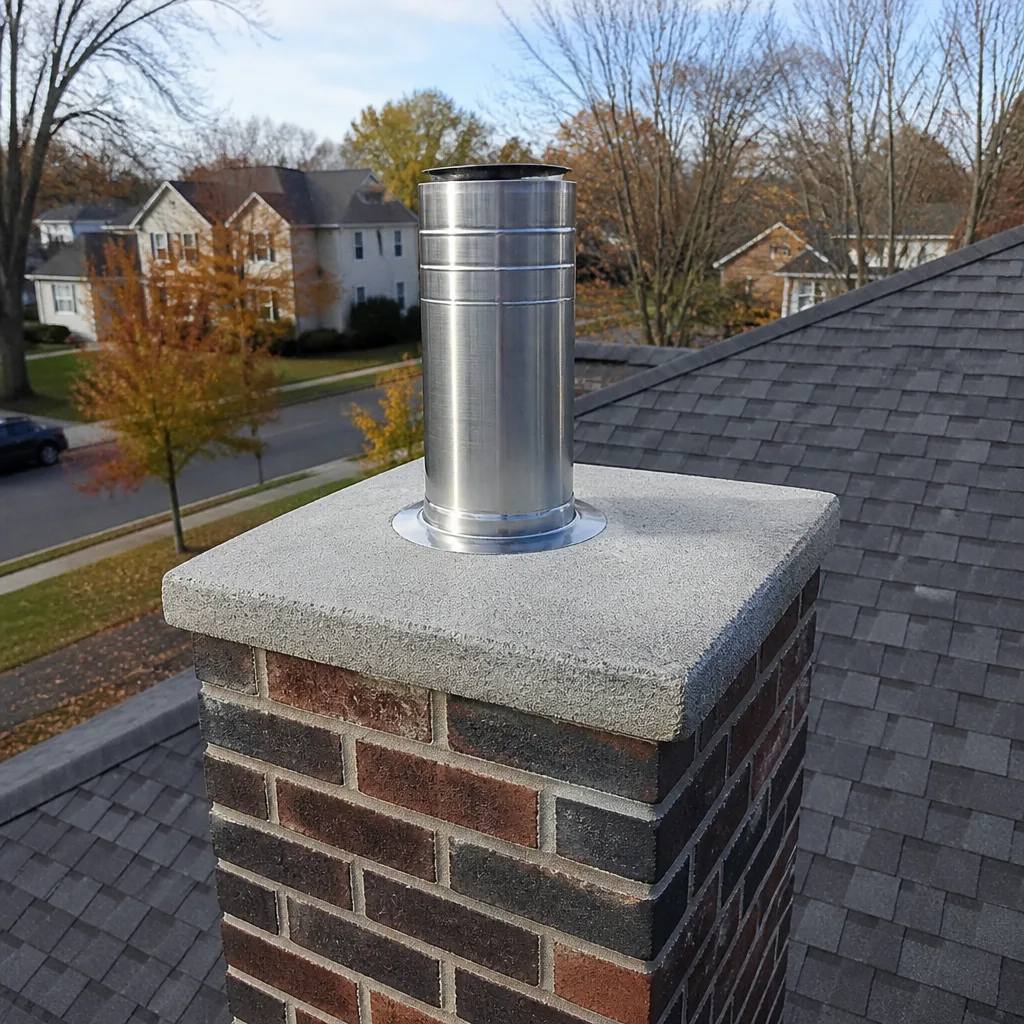 Flue relining
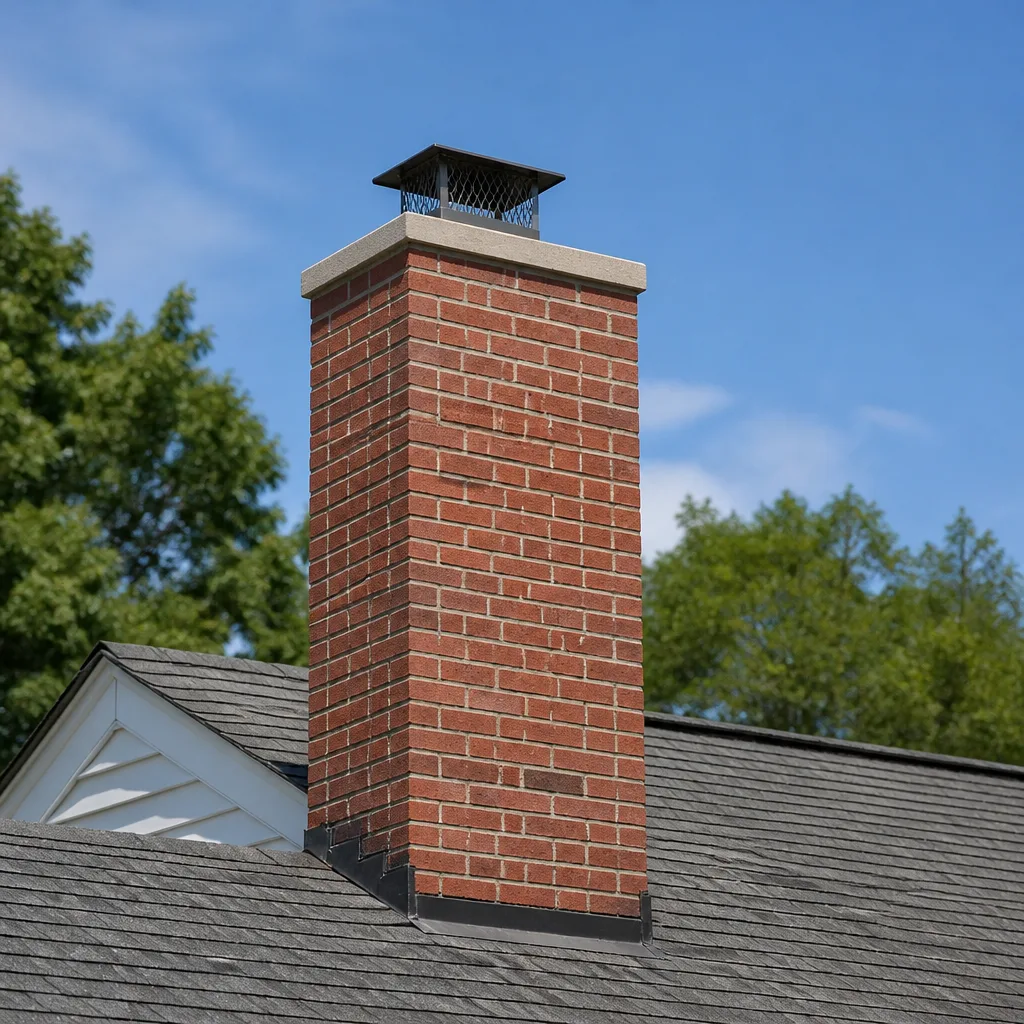 Masonry repair
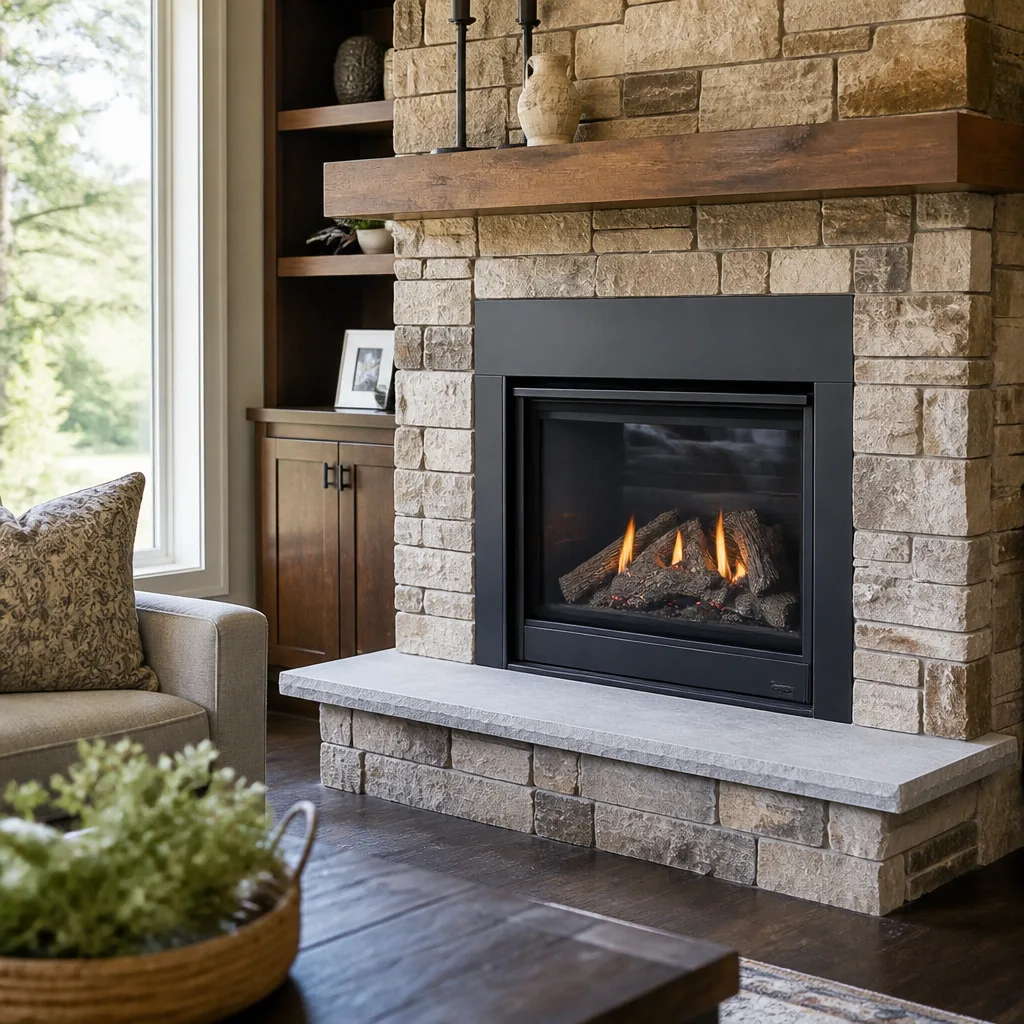 Gas fireplace service
Level 1 sweep and inspection to the NFPA 211 annual standard - flue, crown, cap, and flashing checked and photographed
Chimney sweep logs do not sweep chimneys. They loosen some creosote - which then falls where a brush and vacuum still have to collect it.
Chimney Sweep Maintenance Checklist for Goodyear Homeowners
Most chimney maintenance advice you’ll find online was written for climates with long cold winters and wet springs. Goodyear has neither. What we do have is a monsoon season that drives rain sideways into caps and flashing, summer attic temperatures that push masonry through constant expansion and contraction, and pack rats that treat an uncapped flue as prime real estate. A checklist built for Vermont will miss all three. The right checklist for Goodyear is built around the failure points that actually happen here: moisture intrusion in July and August, thermal stress on brick and mortar year-round, and debris that collects during the dry months before burn season. This guide walks through the seasonal items, the annual structural checks, and the mid-season creosote assessment that keeps a wood-burning chimney safe through the winter. By the end you’ll know what to check yourself and what to leave to a professional.
Quick Answer
A chimney maintenance checklist in Goodyear follows a four-part seasonal rhythm: check cap and crown integrity in June before monsoon season, assess moisture damage and flashing in September after the rains, do a CSIA Level 1 inspection and damper test in October before the first fire, and evaluate creosote stage in January after roughly ten fires. Layer in annual structural checks for spalling brick and mortar joints, because desert thermal expansion stresses masonry differently than a cold-wet climate does. Sweeping should happen whenever the creosote layer reaches about 1/8 inch, or annually if you burn regularly.
Styles & brands we work with
- Sweep & inspection
- Caps & crowns
- Flue relining
- Masonry repair
- Gas fireplace service
Table of Contents
- Why a Goodyear Chimney Checklist Looks Different
- The Pre-Monsoon Checklist (June)
- The Post-Monsoon Checklist (September)
- The Pre-Burn-Season Checklist (October)
- The Mid-Season Check (January)
- Annual Structural Items for Desert Masonry
- Pack Rats, Caps, and the Wildlife Problem
- What You Can Check Yourself and What You Can’t
- Common Mistakes to Avoid
Why a Goodyear Chimney Checklist Looks Different
The published chimney checklists that dominate search results focus on two things: freeze-thaw damage and ice damming. Neither applies in Goodyear. We don’t have a frost line problem, snow loading on the crown, or ice backing up under the flashing. Repeat those items here and you’re checking for problems that can’t happen while ignoring the ones that do.
What we actually see in Goodyear chimneys falls into three buckets. First, summer monsoon moisture. Rain driven at an angle by storm winds finds every failed seal on a crown, every gap at the flashing, every hairline crack in a stucco chase, and it does so fast. Second, thermal expansion. When brick and mortar heat and cool between 115°F days and cool winter nights, the joints move. Sealant fails, mortar cracks, and brick faces can spall. Third, wildlife and debris. A chimney is warm, sheltered, and easy to enter if the cap is loose or missing. Pack rats nest in flues, and nests block the flue the same way a creosote clog would.
The practical result is that a Goodyear chimney gets checked at different times of year for different things. It’s not one annual visit on a fixed date. It’s four touchpoints matched to the seasonal stressors, plus a set of structural checks that happen once a year. Get those on the calendar and the chimney stays ahead of the failure. Skip them and you’ll find out in October, usually the week the weather turns and the first fire is already loaded.
Our technicians have up to 8 years of experience, and the pattern holds every year we look at Goodyear chimneys: the failures are seasonal, so the maintenance schedule should be too.
The Pre-Monsoon Checklist (June)
The single most valuable chimney check in Goodyear happens in June, before the rains arrive. Storm-driven water is the leading cause of chimney damage in this part of Arizona, and almost all of it gets in through components that can be inspected and repaired before the first monsoon storm.
Here’s what that June check covers:
- Cap integrity. Look at the cap and spark arrestor. Is it attached, rusted through, missing screens, or loose enough to shift in wind? A failed cap is an open door for water and wildlife.
- Crown condition. The crown is the sloped concrete top of the chimney that sheds water away from the flue. Hairline cracks widen when water gets into them and the sun bakes the surface. Seal or rebuild a cracking crown before rain finds it.
- Flashing at the roof line. The flashing is the metal seal between the chimney chase and the roof. Stucco cracks, lifted edges, and deteriorated sealant at the flashing will let water straight into the attic framing.
- Chase covering and stucco. Cracked stucco on a stucco-clad chimney is common in the desert. Water behind stucco does slow, invisible damage to the masonry underneath.
- Damper seal. A closed damper should keep out rain blown down the flue. Test it before the rains so a leaking damper doesn’t fill the firebox.
If you do nothing else in June, have the cap and crown checked. Those two components are the front line, and both are inexpensive to repair when the failure is caught early. A chimney repair on a crown in June is a small job. The same problem found in September after two months of rain is a bigger one.
The Post-Monsoon Checklist (September)
Once monsoon season has passed, the job changes from prevention to assessment. September is when you find out what the summer did. The list here is short, but each item matters.
- Moisture damage walk-through. Look for water stains in the firebox, on the smoke chamber walls, or on the ceiling and walls near the chimney chase. Rust on the damper is another sign. Any of these means water got in.
- Flashing and seal inspection. Even a flashing that was solid in June can be lifted or separated by months of wind and rain. Re-check it now, while it’s still easy to fix and before cold-weather burning starts.
- Debris removal. Branches, leaves, and nesting material can end up in the flue or on top of the smoke shelf over the summer. Pack rats are the biggest contributor here. Sweep the flue and remove any debris before the burning season begins.
- Brick and mortar inspection after wet-dry cycling. Wet mortar looks soft and crumbly. Probe mortar joints with a screwdriver; if the mortar gives easily, it’s failing. Desert masonry after monsoon season is the right time to look.
September is also when we usually get asked to chimney repair jobs that were preventable. A flashing reseal in September costs a fraction of the drywall and framing repair that a slow leak would cause by February. If you haven’t had the chimney looked at since spring, this is the checkpoint to book.
A word on moisture and liners: water that reaches the flue liner can soften the mortar that holds clay tiles in place. If the liner is deteriorated, HeatShield resurfacing can restore it without a full reline in qualifying cases. It’s a specific, modern repair option that many chimney services can’t offer because it requires certified applicator status. We use it because the alternative, in a lot of cases, is a full liner replacement that the homeowner didn’t need.
The Pre-Burn-Season Checklist (October)
October is the month that matters most for the coming winter. Before the first fire, the chimney should be swept and inspected, the damper tested, and the smoke chamber checked. Getting this done in October is the entire point of a seasonal schedule: you find problems while there’s time to fix them.
Here’s the pre-burn-season sequence:
- CSIA Level 1 inspection. A Level 1 is the standard annual inspection: accessible parts of the chimney, firebox, damper, and flue evaluated for condition and creosote accumulation.
- Chimney sweep. Professional-grade brushing removes creosote, soot, and any wildlife debris that built up over the dry months. Get the flue clean before the first fire, not after the third.
- Damper operation test. Open and close the damper. It should move freely, sit flush when closed, and stay open without help. A sticky or warped damper means smoke indoors or a chronic heat loss. Gelco replacement dampers are a common fix when the original is too far gone.
- Smoke chamber inspection. The smoke chamber is the funnel above the damper that guides smoke into the flue. Rough, crumbling, or soot-caked chamber walls cause turbulence and smoke spillage. A smooth surfaced chamber drafts better. This is where HeatShield resurfacing is often the right call.
- Chimney cap and fireplace screen. Confirm the cap is secured and the screen is intact, so warm-season wildlife can’t re-enter before winter.
If you’re scheduling any of this yourself, do it in October, not December. Once the weather cools and everyone starts using their fireplace, the calendar fills up. Booking the pre-burn-season check and sweep together, with the same company, means the person doing the inspection is also the person doing the cleaning and any repair. That single-company continuity is one of the reasons we handle all three phases under one roof: inspection uncovers the problem, cleaning removes the hazard, repair corrects the structure, and there’s nobody to hand off to.
A quick note on chimney sweep scheduling in Goodyear: the sweep and inspection are usually done in one visit. You don’t need two appointments for two phases of the work.
The Mid-Season Check (January)
Most homeowners think the chimney work is done in October. It isn’t. By January, if you’ve been burning regularly, the creosote situation has changed and the chimney’s condition should be re-evaluated. This is the checkpoint that prevents the worst-case scenario, a chimney fire you don’t notice until it’s done damage.
Here’s the mid-season checklist:
- Creosote stage assessment. After roughly the first ten fires, look at the flue. Creosote comes in stages: light soot, then a flaky crust at about 1/8 inch, then a hard glossy layer that’s the most flammable. If you’re at 1/8 inch or beyond, it’s time to sweep again.
- Smoke behavior check. If smoke rolls into the room on startup, backs down at the top of the fire, or the draft feels weak, something is off. That’s a signal to inspect rather than to keep burning.
- Cap and crown check after winter weather. Even a few cold-weather storms can loosen a cap or open a fresh crack in a crown. Confirm both are intact.
- Firebox and grate condition. Look at the firebrick lining for cracked or loose bricks. A failing firebrick joint lets heat into the masonry behind it.
- Damper function again. Dampers can shift or warp with heat cycling. Re-test it now.
If those creosote stages don’t sound like something you can judge yourself, that’s normal. A creosote assessment requires a proper look at the flue from above or with a camera, not a glance through the firebox. Doing this in January rather than March means the rest of the burn season happens on a clean, safe flue.
Annual Structural Items for Desert Masonry
Beyond the seasonal checks, every Goodyear chimney needs an annual structural review. Desert masonry fails differently than masonry in wet climates, and the failure modes are specific.
The two big ones are spalling brick and mortar joint stress. Spalling means the face of a brick has chipped, flaked, or broken away, usually because water got behind the brick face and pried it off when the sun heated it. Spalling brick does more than look bad. The brick loses mass, the bond to mortar fails, and the chimney gets structurally weaker. Small spalling is fixable. Spalling that gets deep into the brick means replacement.
Mortar joints under thermal expansion take a different hit. The joint opens and closes with temperature changes hundreds of times a year in Goodyear. Cement mortar eventually loses flexibility, then cracks, then crumbles. When the joints start going, the whole masonry stack loosens. This is a slow problem, but the repair is much easier if it’s caught in the cracking stage rather than the crumbling stage.
Here’s how good structural repair works:
- Brief visual inspection of the full chimney exterior, brick by brick, from the roof line up.
- Probing of mortar joints with a screwdriver to find weak ones.
- Tapping brick faces to identify spalled or hollow-sounding brick.
- Re-pointing or replacing failed joints and brick, matched to the original for color and consistency.
- A check on the cap and crown, since those are structural too, and they take the most weather.
Repairs done with the right materials last. That matters more here than in most places: a repair that looks right in March but fails by August is a wasted job in a climate that hits its structural materials hard. We specify trade-brand materials by name because the product behind the repair is what determines its lifespan. Famco caps and dampers, and Olympia Chimney components, are examples of the grade that holds up to desert heat and monsoon exposure.
For more on the relationship between structural repair and the bigger chimney picture, see the guide to Goodyear chimneys and how local conditions change the work.
Pack Rats, Caps, and the Wildlife Problem
If you only take one item from this checklist, take this: the pack rat is the most overlooked threat to a Goodyear chimney outside of creosote. A pack rat will nest in a flue in a matter of days if the cap has a gap or the screen is compromised. The nest blocks the flue and, if it’s there when a fire is lit, produces a dangerous draft restriction and smoke where you don’t want it.
Preventing the problem is mostly a hardware job:
- Make sure the chimney cap is installed, secured, and the screen is intact with no rusted-through spots.
- Check for gaps between the cap and the flue top; a gap the width of a quarter is wide enough.
- Look at the crown-to-flue junction, where rats often find a foothold.
- If you find a nest, remove it and sweep the flue; don’t just pull the nest out and light a fire.
There’s a second wildlife issue worth mentioning: birds and bats. A missing or loose cap invites nesting, and nests should be removed before burn season, not ignored. Sweeping is the standard solution, and it’s part of the pre-burn-season sweep in October.
Goodyear sits in a stretch of desert where wildlife pressure on residential chimneys is real. A cap and screen upgrade with a professional-grade cap, such as a Famco model, is one of the cheapest pieces of prevention available. It’s also the piece most often skipped because it’s out of sight.
What You Can Check Yourself and What You Can’t
A checklist is more useful when it’s honest about which items are homeowner checks and which ones need a professional. Here’s the split.
Homeowner checks: cap visual, crown exterior crack visual, roof line flashing visual, damper operation test, firebox firebrick visual, and smoke behavior check. These are all things you can look at or operate with your own eyes and hands. They don’t require any safety risk beyond getting on the roof, and a good pair of binoculars from the ground often replaces the roof visit altogether.
Professional checks: flue inspection for creosote stage, sweep, liner condition, smoke chamber inspection, and any structural repair work. These are the items that require a camera, a proper brush, or getting into the firebox and up the flue. There’s also a reason to keep them professional: picking the wrong method for a liner problem or incorrectly reassessing structural damage is how small problems become expensive ones.
One safety caveat worth stating plainly. Never do a “clean the flue” project yourself. The flue is a confined space with soot, and the tools used to work in it are specific to the trade. A chimney is also a tall structure, and a fall from the roof is a much bigger risk than the job is worth. The sweep and inspection take a professional under an hour. Do the visual checks in the checklist yourself and book the sweep with a specialist.
If you’re going to hire, ask what the sweep actually includes. A quick pass with a brush and no inspection tells you nothing. You want the sweep, a report on what the flue looks like, and a conversation about what needs attention. That’s the standard we work to, and it’s why we handle all three phases – inspection, cleaning, repair – as one scope of work.
Common Mistakes to Avoid
- Using a national checklist as-is. If your maintenance plan was written for snow and ice, it’s checking for problems that don’t exist in Goodyear and missing the ones that do. Rebuild it around monsoon, thermal expansion, and wildlife.
- Skipping the January check. A chimney can be clean in October and unsafe by January. The mid-season creosote assessment is the one that matters most for fire safety.
- Ignoring the cap because it “looks fine.” Cap failures and screen holes that you can’t see from the ground are the most common way animals get in. Inspect the cap from the roof or hire a sweep to do it.
- Burning with a nesting problem. If the flue has debris or a nest in it, don’t light a fire. Sweep first. This is the single most common cause of dangerous draft problems in this climate.
- Assuming HeatShield resurfacing is always the answer, or never the answer. It’s a restoration option for a deteriorated liner in qualifying cases. A proper inspection determines whether it applies. Don’t let a sweep talk you into a full reline before you’ve had the liner correctly diagnosed.
- Repointing mortar with the wrong material. Mortar matched to the wrong brick will fail faster than the original. In desert masonry this is even more pronounced. Use a repair material chosen for the brick, not the cheapest bag at the box store.
- Putting off the June check. The cap and crown check works best before the rains. After the rains is a repair conversation, not a maintenance one.
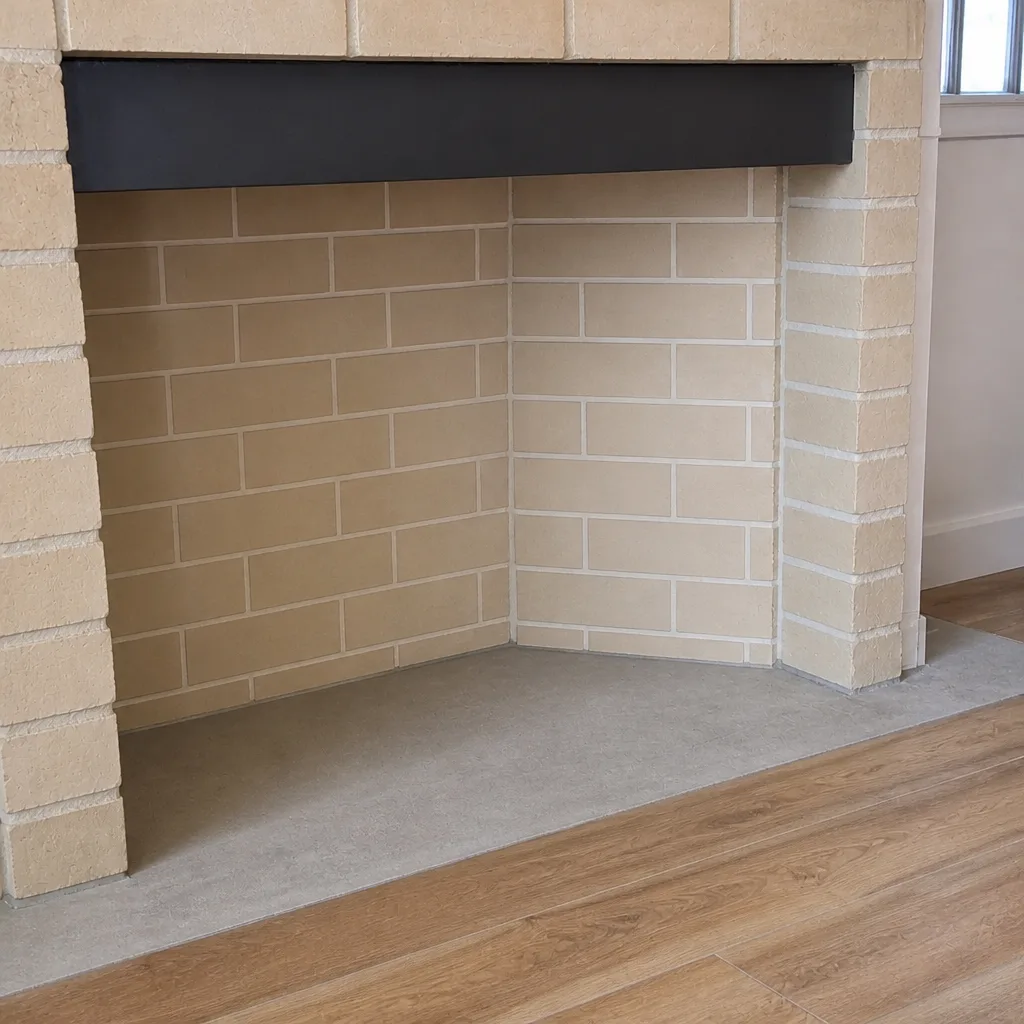
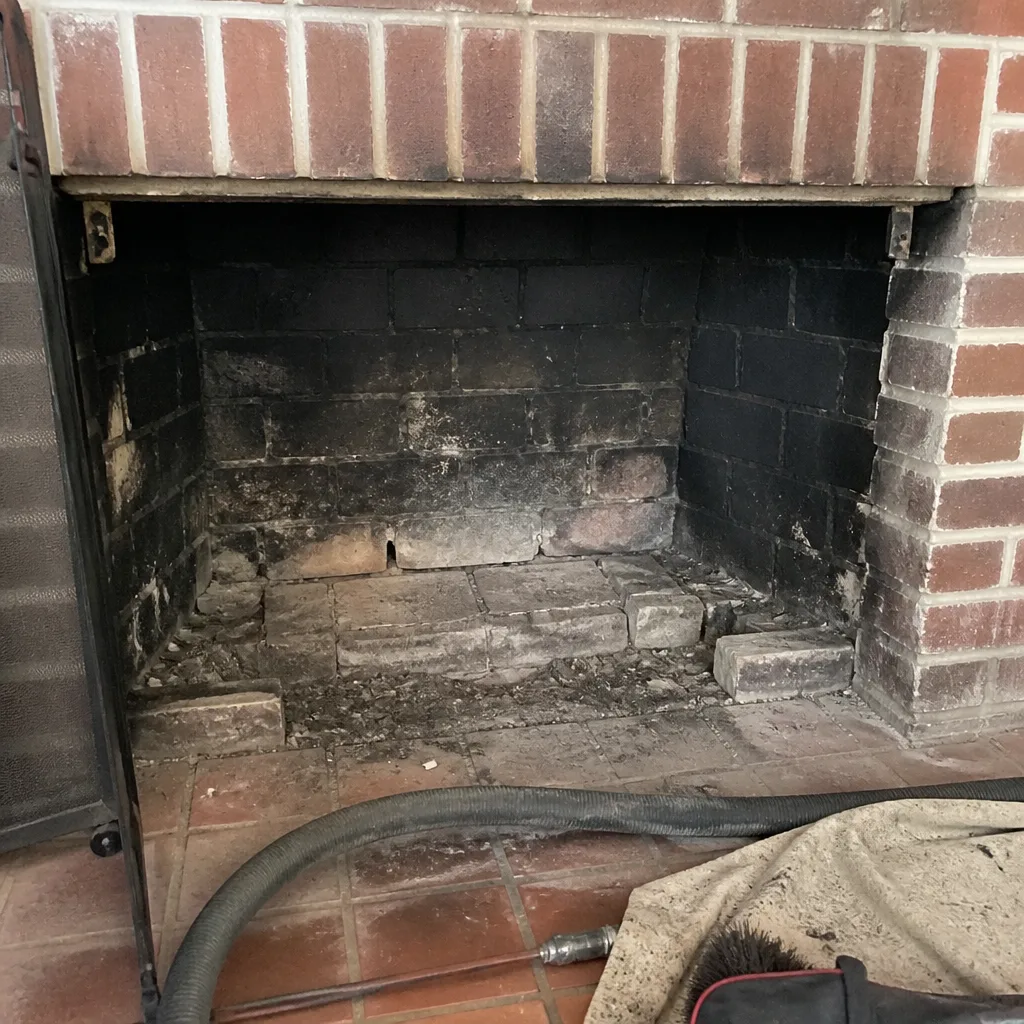
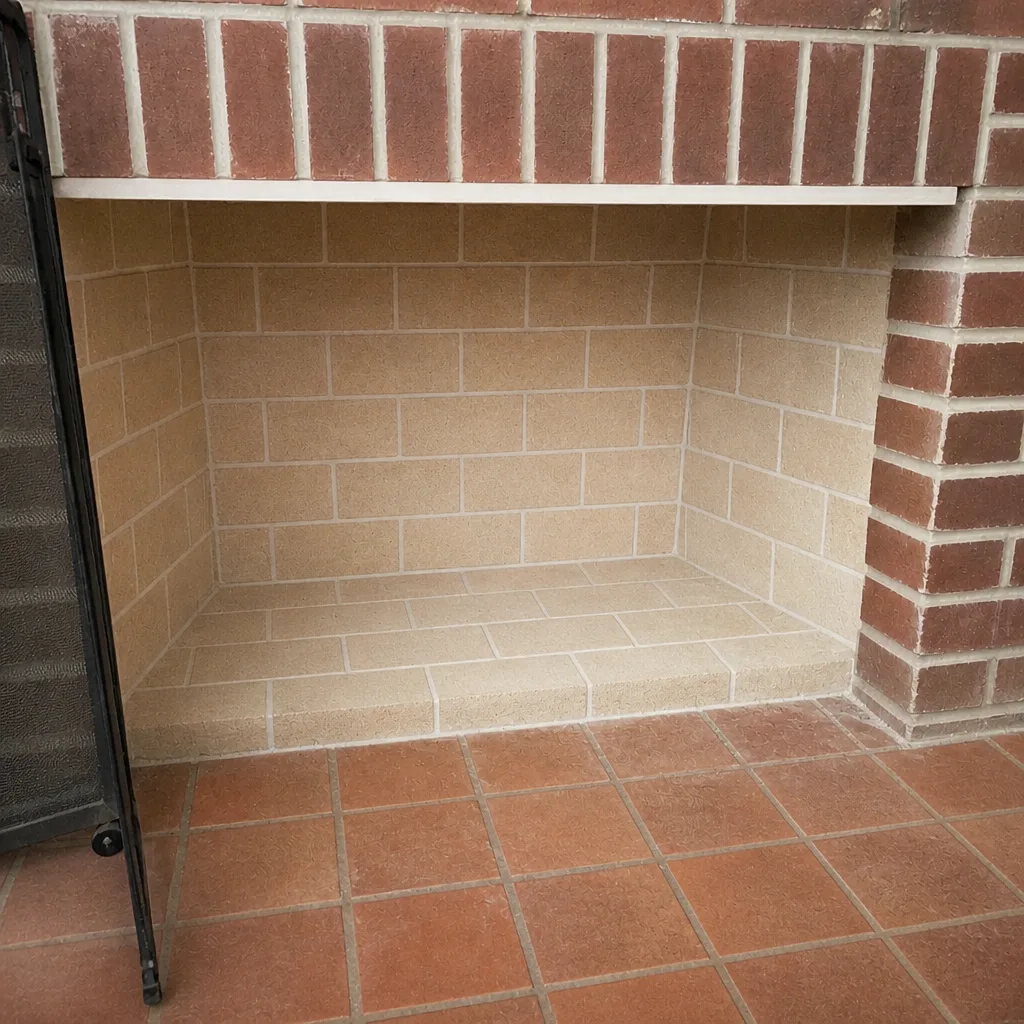
See the difference
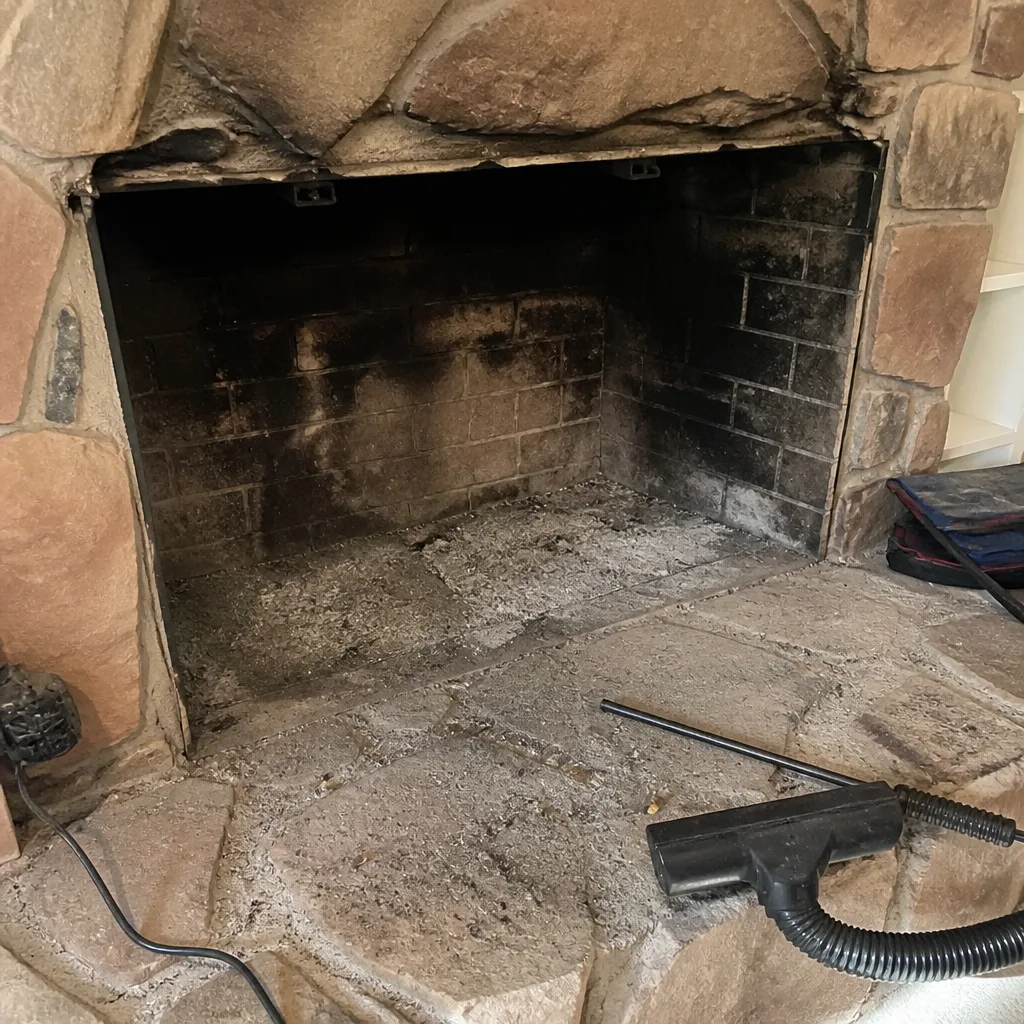 Before
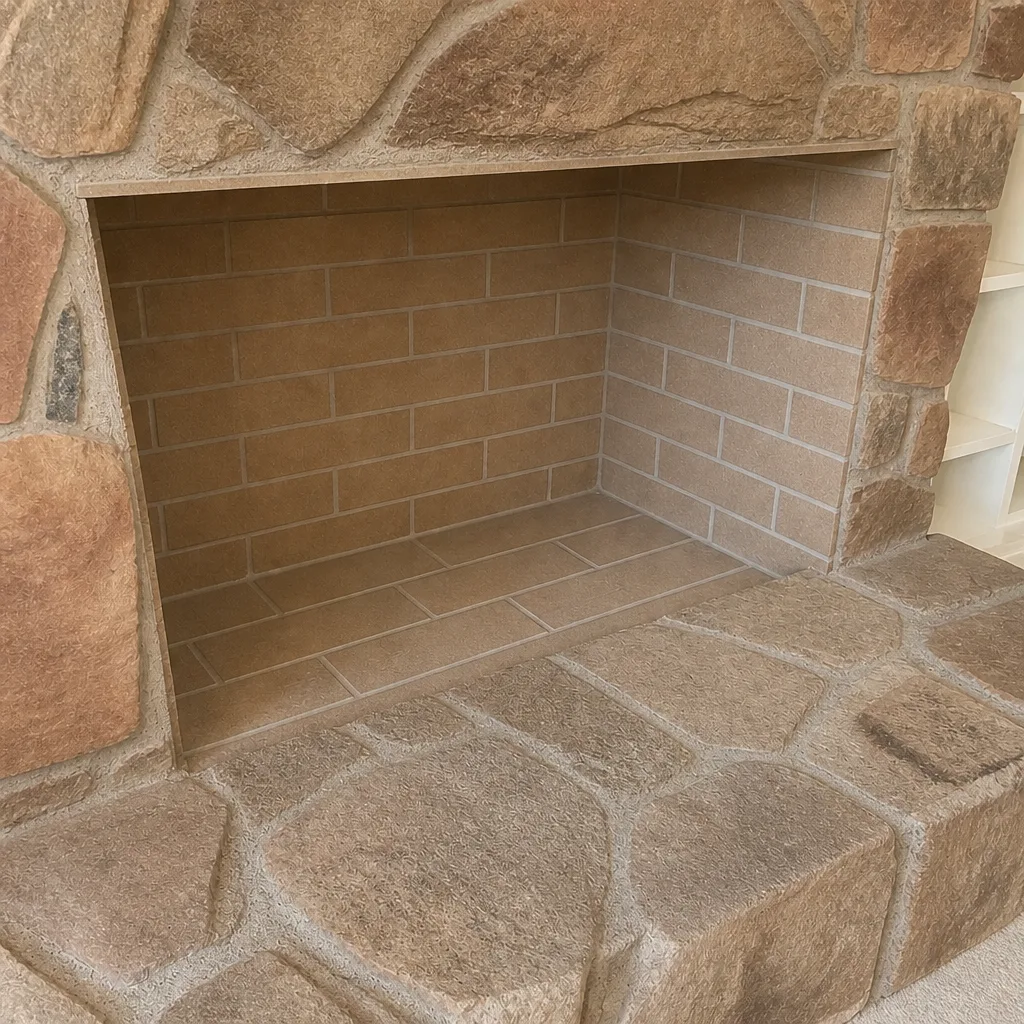 After
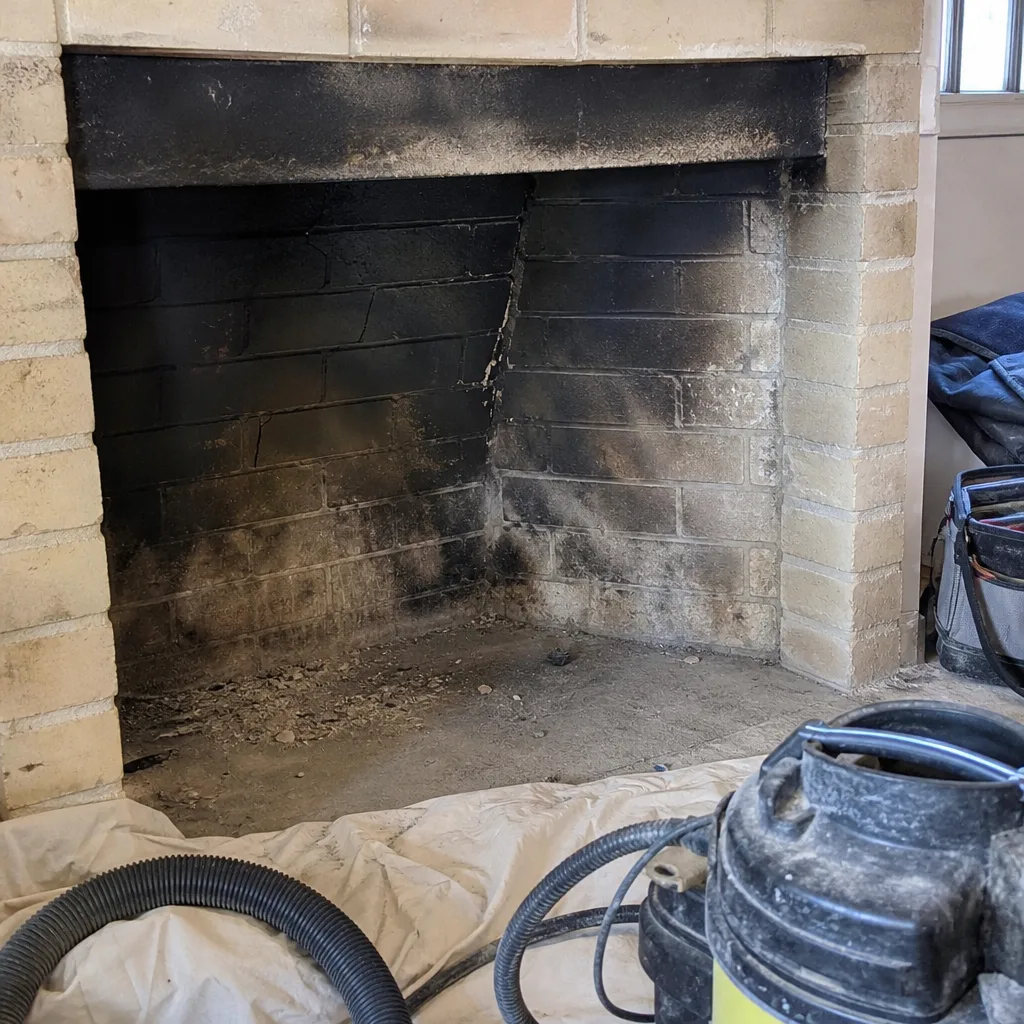 Before
 After
 Before
 After
When to Call a Professional
Call a professional when you find any of the following: a cap that’s loose or missing, a crown that’s cracking or crumbling, a flashing that’s lifted or unsealed, water stains or rust inside the firebox, a nest or debris in the flue, a damper that sticks or won’t close flush, or a fire that smokes into the room. Also call before your first burn of the season, if you haven’t had the flue swept, and call for a proper sweep if you can’t reach into the flue to check the creosote yourself. If your last chimney inspection was more than a year ago, book one now and start the seasonal schedule. Our chimney inspection is designed to catch these failure points before they cost you a real repair.
Goodyear Chimney Sweep offers free estimates in Goodyear – call (866) 361-8426. We answer 24/7. Fast dispatch from 7am to 7pm, Sunday through Friday.
Frequently Asked Questions
Sweep at least once a year if you burn regularly, and sooner if the creosote layer reaches about 1/8 inch. In Goodyear, the practical schedule is a pre-burn-season sweep in October and a mid-season creosote check in January after the first ten fires. If you find debris or a nest in the flue, sweep immediately. Call (866) 361-8426 for a free estimate.
Only if the liner is actually deteriorated. A cracking clay tile liner with mortar failing is a candidate for HeatShield resurfacing, which restores the liner without a full reline in qualifying cases. A full reline is the answer when the liner is beyond restoration. The deciding factor is a proper inspection, not a guess. Call (866) 361-8426 if you want a second opinion on a reline you’ve been quoted.
The damage risks are water intrusion, wildlife nesting, and creosote buildup. In this climate, skipping maintenance means the next monsoon can leak into damaged flashing and crown, a pack rat can nest in an uncapped flue, and creosote can reach a flammable stage without anyone checking. Skipping the annual sweep is the single most common cause of the problems we repair. Call (866) 361-8426 for a free estimate.
Gas fireplaces also need inspection and cleaning, but the maintenance rhythm differs. The sweeping focus shifts to checking vents, the firebox, and the cap for debris and animal intrusion. The June cap check and the annual inspection still apply. If you’re unsure what your gas fireplace needs, a Level 1 inspection will tell you. Call (866) 361-8426 for a free estimate.
A professional sweep includes brushing the flue, removing soot and creosote deposits, clearing debris and nests, and an inspection report on what was found. We do the sweep and the Level 1 inspection in the same visit so you get a diagnosis, not just a cleaning. If we find a structural issue, we handle that too, since we do repair work in the same company. Call (866) 361-8426 for a free estimate.
The threats are different. Goodyear doesn’t have freeze-thaw cycles or ice damming, so the standard cold-climate checklist doesn’t apply. What we have is monsoon moisture intrusion, thermal expansion stress on masonry, and heavy pack rat pressure on caps and screens. A checklist built for Goodyear is built around those. Call (866) 361-8426 for a free estimate.
The Bottom Line
The right chimney maintenance schedule for a Goodyear home is four seasonal checkpoints and one annual structural review. In June, check the cap and crown before the monsoon. In September, assess moisture damage, recheck the flashing, and clear the debris. In October, do the CSIA Level 1 inspection, the sweep, the damper test, and the smoke chamber check before the first fire. In January, reassess creosote and do the mid-season visual. Once a year, check spalling brick and mortar joints, because thermal expansion is a structural stressor in this climate. Stack it all together and a Goodyear chimney stays safe through the burn season and sound through the monsoon season. For a Goodyear Chimney Sweep inspection, sweep, or repair, we work one scope for all three and can be reached with a free estimate.
Call (866) 361-8426. We answer 24/7. Fast dispatch from 7am to 7pm, Sunday through Friday. We’re closed Saturday. If a call comes in outside dispatch hours, it’s booked into the next opening, Sunday through Friday, 7am to 7pm.
Written by the team at Goodyear Chimney Sweep.